

Disease Education Information
Despite fewer people smoking and effective therapies for hypertension and high cholesterol, cardiovascular disease (CVD) remains the number one cause of death worldwide.1
This epidemic is driven by demographic factors like an aging population, decreasing mortality from other factors (such as infectious disease), and rising rates of obesity—which can drive the progression of metabolic diseases, such as Type 2 diabetes, and lead to the “metabolic syndrome,” a constellation of risk factors that increase an individual’s risk for heart disease and other health problems.2-6
We believe that a comprehensive program is needed to address cardiometabolic disease and the underlying biology responsible for its onset and progression.
Today, we’re focused on investigating the metabolic abnormalities that increase the likelihood of cardiometabolic diseases; working to develop potential therapies for these diseases, which are driven by an abnormal metabolic state; and seeking ways to protect the heart itself, by trying to alter the way it responds to this dysregulated metabolic environment.
This includes more potential therapies targeted to specific metabolic pathways in the body, as well as therapies that are a combination of two or more drugs, which could bring additional benefits to patients.
Our early discovery efforts are focused on obesity, type 2 diabetes, insulin resistance, non-alcoholic fatty liver disease/non-alcoholic steatohepatitis (NASH), and metabolic conditions such as cachexia, a form of unintentional weight loss and muscle-wasting often experienced with cancer and other serious illnesses.

Internal Medicine Resources
Learn about our dedication to research and collaboration across healthcare in support of patients impacted by cardiometabolic disease.
Areas of Focus
Revolutionary medicines enable us to enrich and extend life for people suffering from all types of diseases.
Internal Medicine
We’re developing therapies to treat, slow, or prevent disease progression and improve the quality of life for patients with obesity, type 2 diabetes, and cardiovascular and kidney diseases.

Inflammation & Immunology
We look for treatments that provide more than just symptom relief, in order to address the root cause of chronic inflammatory diseases at a molecular level

Vaccines
Vaccines are the single most important innovation in the science of health to significantly reduce the threat of diseases that were once widespread and oftentimes fatal.

Oncology
Cancer treatment needs to be transformed across the entire landscape to significantly improve the lives of cancer patients worldwide.
How Drugs Are Made
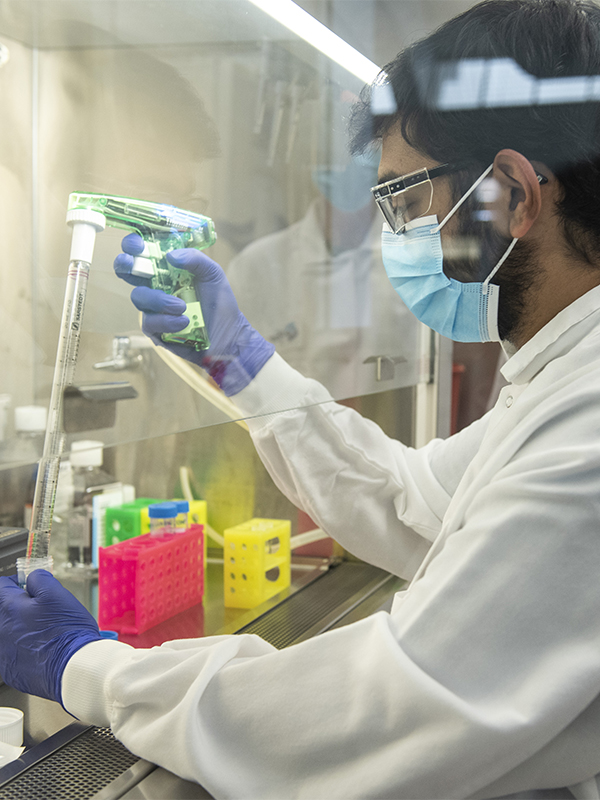
The medicines available today have taken an average of 12 years to develop. With dedication, creativity, and science we can significantly cut that time.

The Scientists Behind the Treatments

PfizerForAll

Pfizer is fighting for 8 cancer breakthroughs by 2030
We're driving the breakthroughs of tomorrow while fighting against cancer today. The fight takes all of us. Start by answering a few questions to understand your own cancer risks at PfizerForAll.com.
Get Started DetailsClinical Trials
We proudly partner with thousands of study sites and tens of thousands of trial participants around the world. It’s these clinical trials that lead to life-changing medicines.
Go to Pfizer Clinical Trials Site DetailsSources
- http://www.who.int/mediacentre/factsheets/fs317/en/
- http://www.nhlbi.nih.gov/health/health-topics/topics/ms
- http://www.heart.org/HEARTORG/Conditions/Diabetes/WhyDiabetesMatters/Cardiovascular-Disease-Diabetes_UCM_313865_Article.jsp/#.V6pBTU0rK00
- http://www.ncbi.nlm.nih.gov/pubmed/20460905
- https://www.niddk.nih.gov/health-information/health-topics/liver-disease/nonalcoholic-steatohepatitis/Pages/facts.aspx
- http://www.cancer.org/cancer/livercancer/detailedguide/liver-cancer-risk-factors