
Menstrual Migraine Explained: Why They Happen and What Can Help
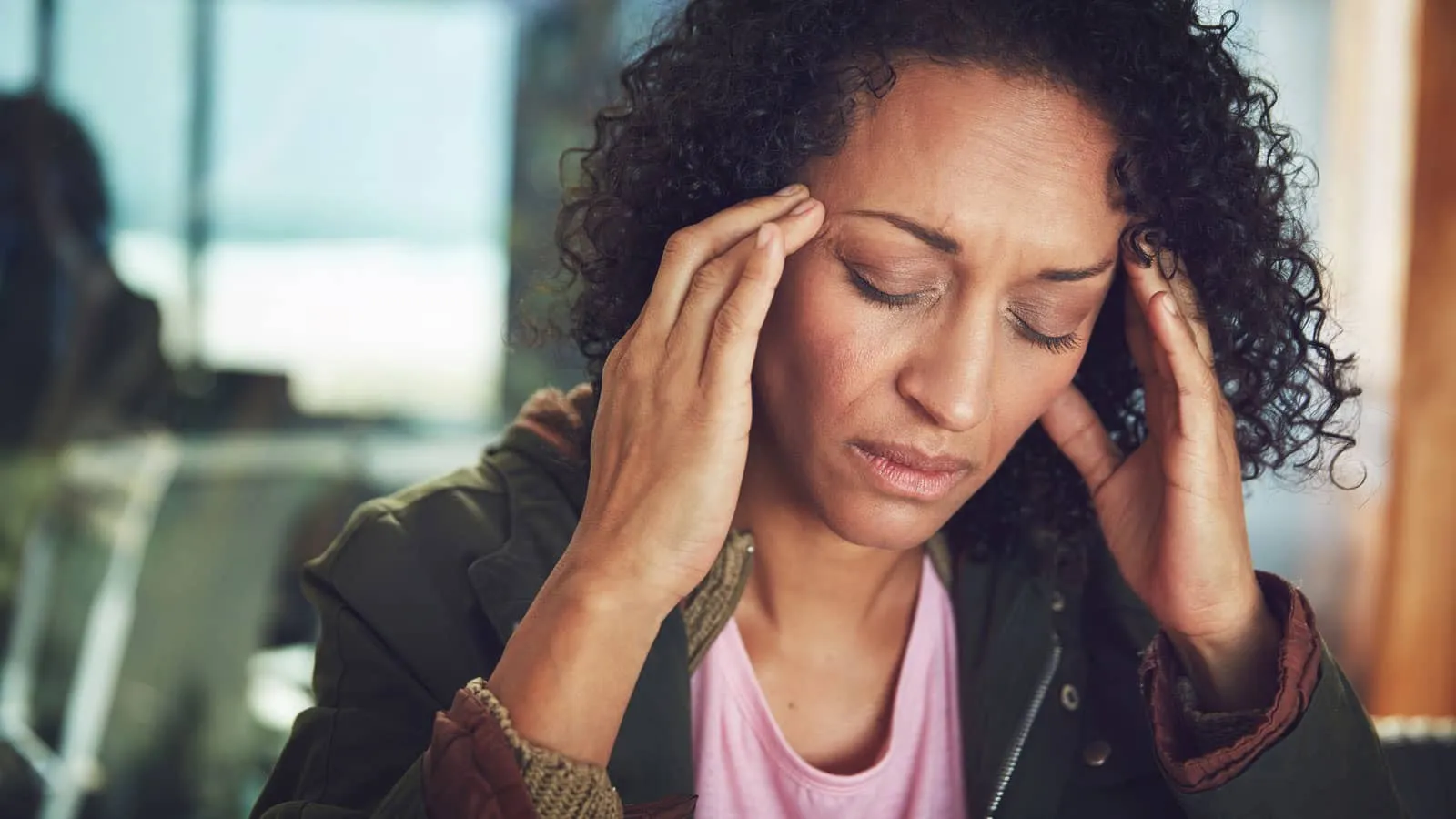
For some people, migraine attacks aren’t random. Instead, they follow predictable hormonal rhythms that unfold over time. Menstrual migraine is a common type of migraine, yet it’s still a condition many aren’t familiar with.1
Compared with other types of migraine, menstrual-related migraine may cause more severe symptoms.1 Understanding how and why these migraine attacks occur can help you anticipate symptoms before they begin and work with your doctor to better manage them.
Understanding menstrual-related migraine
Menstrual-related migraine attacks are linked to a person’s natural menstrual cycle. People assigned female at birth are three times more likely to experience migraine attacks than those assigned male at birth.2 Among people who menstruate, up to 60 percent experience menstrual migraine attacks during their menstrual cycle.1
Symptoms often resemble other types of migraine attacks: Throbbing head pain, aura, sensitivity to light or sound, nausea, and/or vomiting are all common.1 However, menstrual-related migraine attacks are often more intense and may last hours or even days.1
Why hormonal changes may play a role
Researchers continue to study what causes menstrual-related migraine attacks, but hormonal fluctuations appear to play an important role.
Estrogen, a key hormone involved in reproductive health, naturally rises and falls throughout the menstrual cycle, which lasts an average of 28 days.4 Estrogen levels are highest just before ovulation and lowest during menstruation.4 Some evidence suggests that the sharp drop in estrogen levels during menses may trigger migraine attacks in certain females.5
Estrogen also helps regulate the trigeminovascular system, a network of neurons in the brain and cerebral blood vessels that plays an important role in pain signaling pathways, some types of neurotransmitters, and blood vessel inflammation.6 When estrogen levels fall, changes in the hormonal balance may increase susceptibility to migraine triggers.
But estrogen withdrawal isn’t the only factor. Some studies suggest that high levels of prostaglandins, hormone-like fatty compounds released right before menstruation, may increase inflammation and impact pain signaling, potentially triggering a menstrual-related migraine attack.7
Non-hormonal triggers can also influence menstrual-related migraine attacks. Stress, dehydration, disrupted sleep, and certain foods or beverages may increase the likelihood of an attack, particularly when they occur alongside hormonal changes.1
Tips to help ease menstrual migraine symptoms
It isn’t possible to stop naturally occurring hormone fluctuations during a full menstrual cycle without intervention. However, doctors often suggest a combination of strategies to help manage menstrual-related migraine symptoms and potentially reduce how often they occur.
Track your cycle and symptoms
Keeping a record of your menstrual cycle and menstrual-related migraine symptoms can help identify patterns and anticipate higher-risk days. Tracking when symptoms occur during your cycle and their severity can support more productive conversations with your doctor.8
Proactively manage triggers
Migraine, including menstrual-related migraine, often results from triggers that may or may not be identifiable. For some people, dehydration, stress, inadequate sleep, irregular or missed meals, and even weather changes can trigger migraine symptoms.7,9 Be sure to drink enough water daily, get enough sleep, and stick to a regular meal schedule to help lower the likelihood of a migraine attack.7
When to seek medical care
A healthcare professional can help determine whether your symptoms require further evaluation.
Contact your healthcare provider if migraine symptoms:1
- Interfere with daily activities
- Become more severe, disabling, or more frequent over time
Moving toward a better understanding of menstrual migraine
Menstrual-related migraine is closely tied to natural hormonal changes, but they can become more manageable with the right support. Understanding how hormone fluctuations affect migraine, being aware of triggers, and working with your doctor to find a treatment plan that’s right for you could help reduce the frequency and severity of migraine so it’s less disruptive to your life.