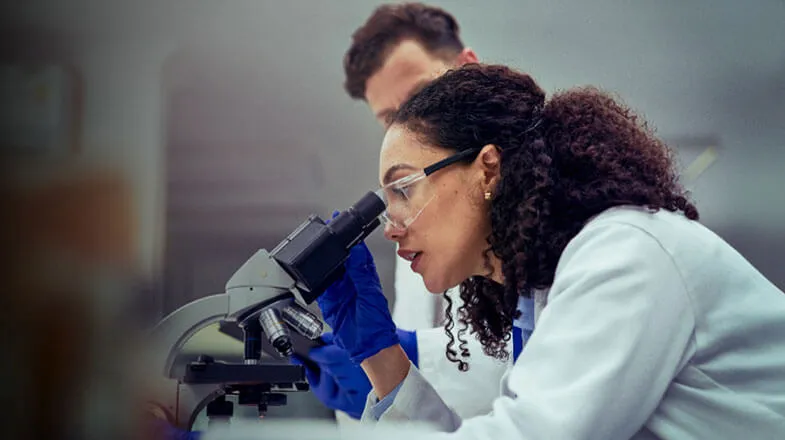

Main Research and Development Centers
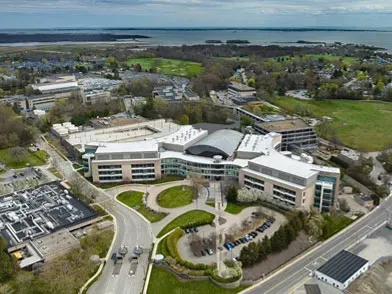
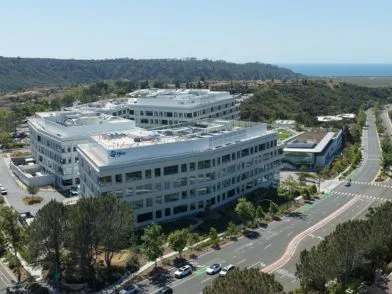
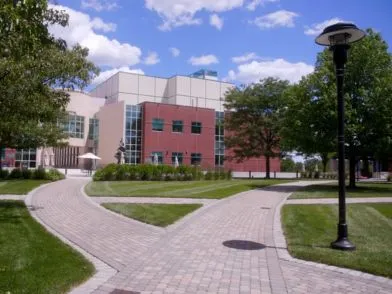
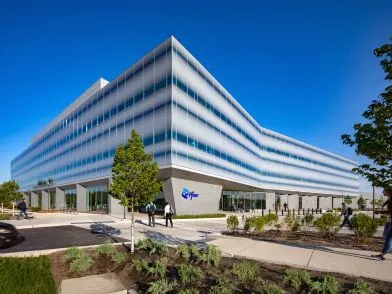
Each of our R&D centers specializes in a different area of scientific exploration. We have several major campuses located throughout the U.S. and U.K.
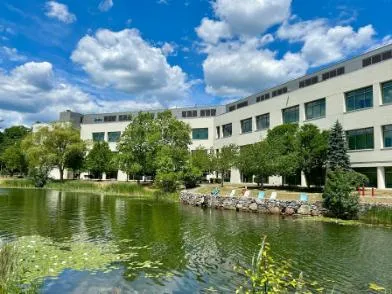
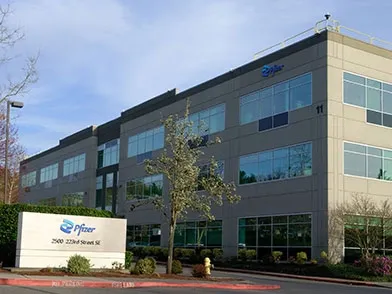
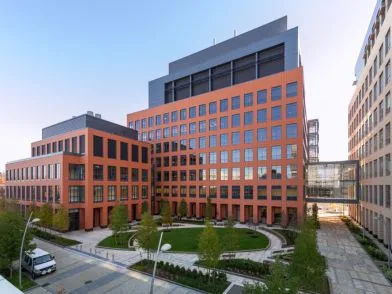

Clinical Trials
Learn more about the process of joining a clinical trial and find a trial near you.
Go to Pfizer Clinical Trials Site DetailsRelated Articles
Pfizer Learns to Speak AI with Fluency Program
Technology moves fast, and there’s no better example than the rapid growth of artificial intelligence (AI).

Rewriting the Obesity Narrative
Over millions of years, humans got remarkably good at storing excess energy as fat. To survive perilous stretches of scarcity and famine, our brains evolved to view calorie-dense foods as highly rewarding, and our biology encourages us to eat as much as possible when we encounter them.

After Treatment: A Hodgkin Lymphoma Survivor Talks about What Happens in Remission
In 2013, Josh Raub’s life was going according to plan. At 29 years old, he was working at his dream job as a professor and pharmacy specialist at an academic medical center in Detroit. He and his wife had just bought their first home and were talking about starting a family. “It was just this perfect future that we were planning for ourselves,” he says. Then he got sick.