Branded vs. Generic
- What’s the Difference?
Branded drugs are more expensive because they’re newer, generally groundbreaking, and often for conditions that are difficult to treat. However, after a certain period of time, these same innovative medicines become generic medicines.
- How is Pfizer Different?
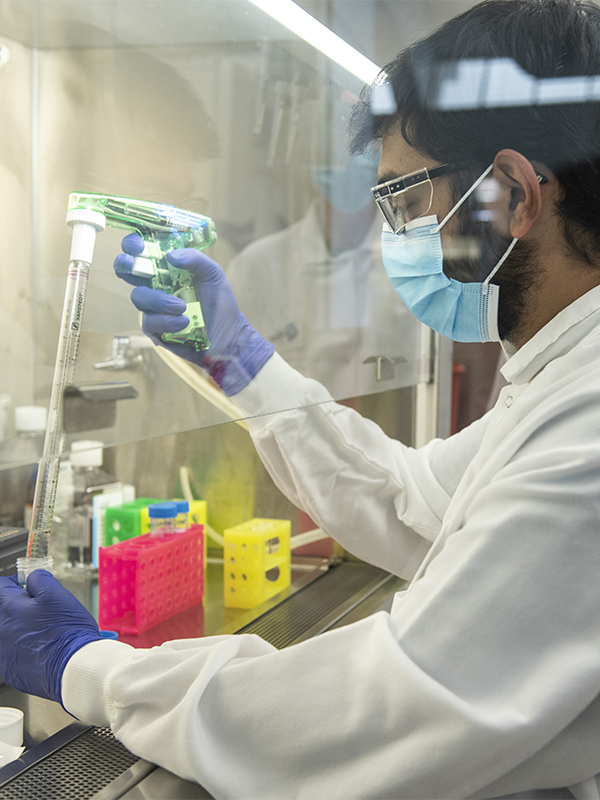
The difference between our approach and that of many other companies is that when a medicine becomes a generic, we still assume responsibility. Rather than focus on just what’s in development, we continue to closely monitor the quality, safety, and reliability of our generic medicines.
Related Articles
Rewriting the Obesity Narrative
Over millions of years, humans got remarkably good at storing excess energy as fat. To survive perilous stretches of scarcity and famine, our brains evolved to view calorie-dense foods as highly rewarding, and our biology encourages us to eat as much as possible when we encounter them.

After Treatment: A Hodgkin Lymphoma Survivor Talks about What Happens in Remission
In 2013, Josh Raub’s life was going according to plan. At 29 years old, he was working at his dream job as a professor and pharmacy specialist at an academic medical center in Detroit. He and his wife had just bought their first home and were talking about starting a family. “It was just this perfect future that we were planning for ourselves,” he says. Then he got sick.
September Social Media Round-Up—Prostate Cancer Awareness, TIME Executives of the Year, and More
As we enter fall, the days are getting shorter and the nights are getting cooler, but Pfizer’s social media channels are as active as ever.
How Drugs Are Made
The medicines available today have taken an average of 12 years to develop. With dedication, creativity, and science, we can significantly cut that time.