
Then vs. Now: Molecular Design
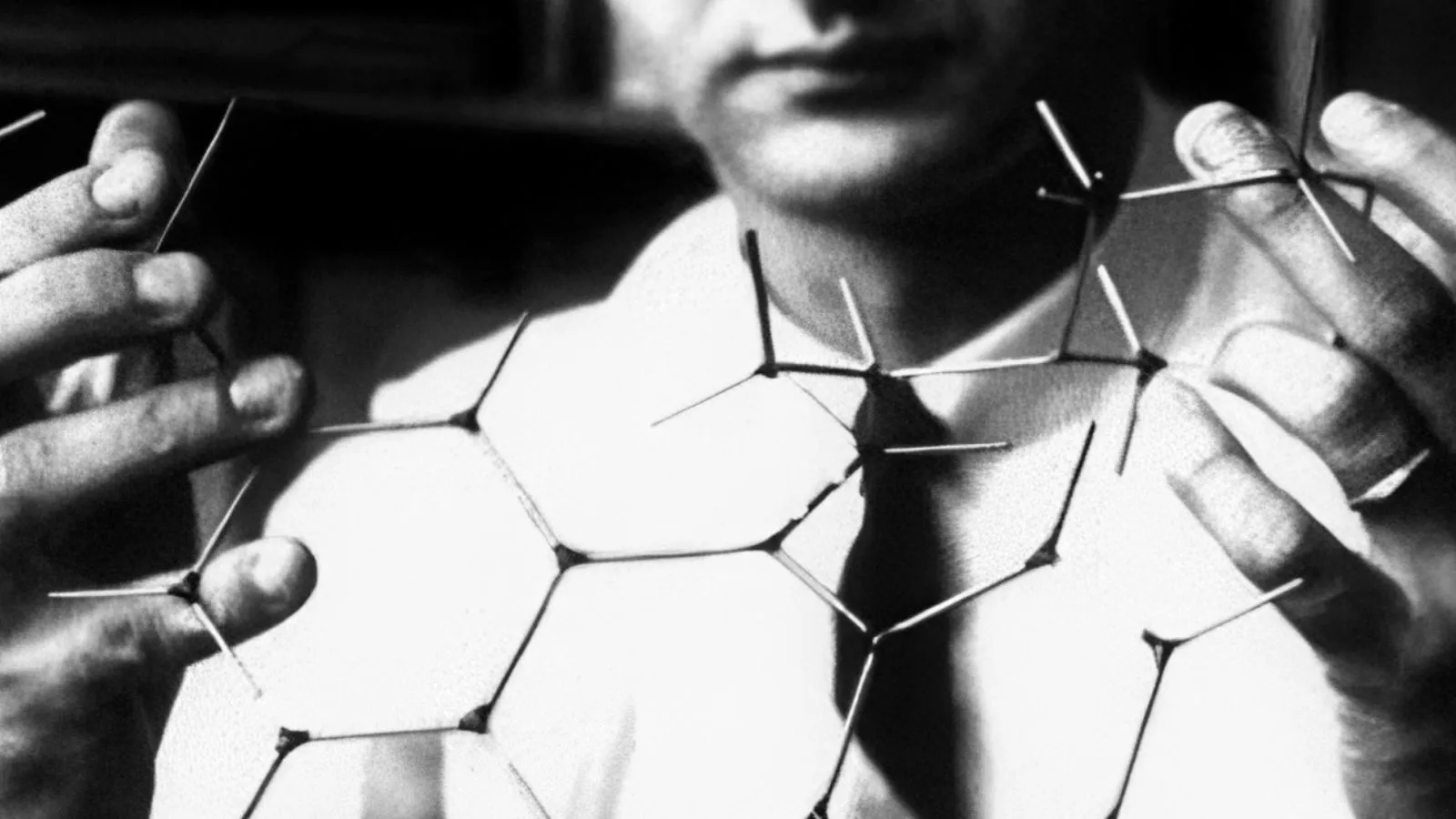
Developing a new medicine starts at the most fundamental level: understanding how disease works. That often means looking beyond what we can observe directly and studying how molecules interact with biological targets.
Much of what drives disease and how we treat it happens at a scale too small to see. In drug discovery, scientists study how molecules find, bind to, and influence their targets. The strength and specificity of these interactions play a critical role in determining how effective a drug may be, making it essential to understand these interactions as fully as possible.
In the past, gaining this level of understanding was slow and often limited to static snapshots. Scientists had to piece together how molecules might behave over time, which could take months or even years. Today, advances like cryo-electron microscopy (cryo-EM), along with computational modeling and machine learning, are changing that. Researchers can now visualize molecular structures in far greater detail and explore how they move and interact, providing a more complete picture of disease biology.
At Pfizer, these technologies help scientists design and refine potential therapies more efficiently. By combining high-resolution imaging with computational insights, teams can better predict how drug candidates will behave and focus on the most promising approaches earlier in development. This shift is helping accelerate the path from discovery to potential treatments, bringing what was once invisible into clearer view.
Watch the video below to see how uncovering the invisible helps enable our scientists to create more targeted, effective potential therapies for patients.