Lung Cancer: Real Risks, Common Myths, and Why Screening Matters
Can you name the top three cancer diagnoses affecting Americans? Did you guess breast (#1), prostate (#2), or colon (#4)? Those are good picks, but there’s another type of cancer that takes the number three spot: lung.1
Lung cancer is the third-most diagnosed type of cancer in the country.2 Smoking remains the No. 1 risk factor for developing lung cancer,3 but 10 to 20 percent of lung cancers occur in people who have never smoked before (or who have smoked fewer than 100 cigarettes in their whole lives).4
What is lung cancer?
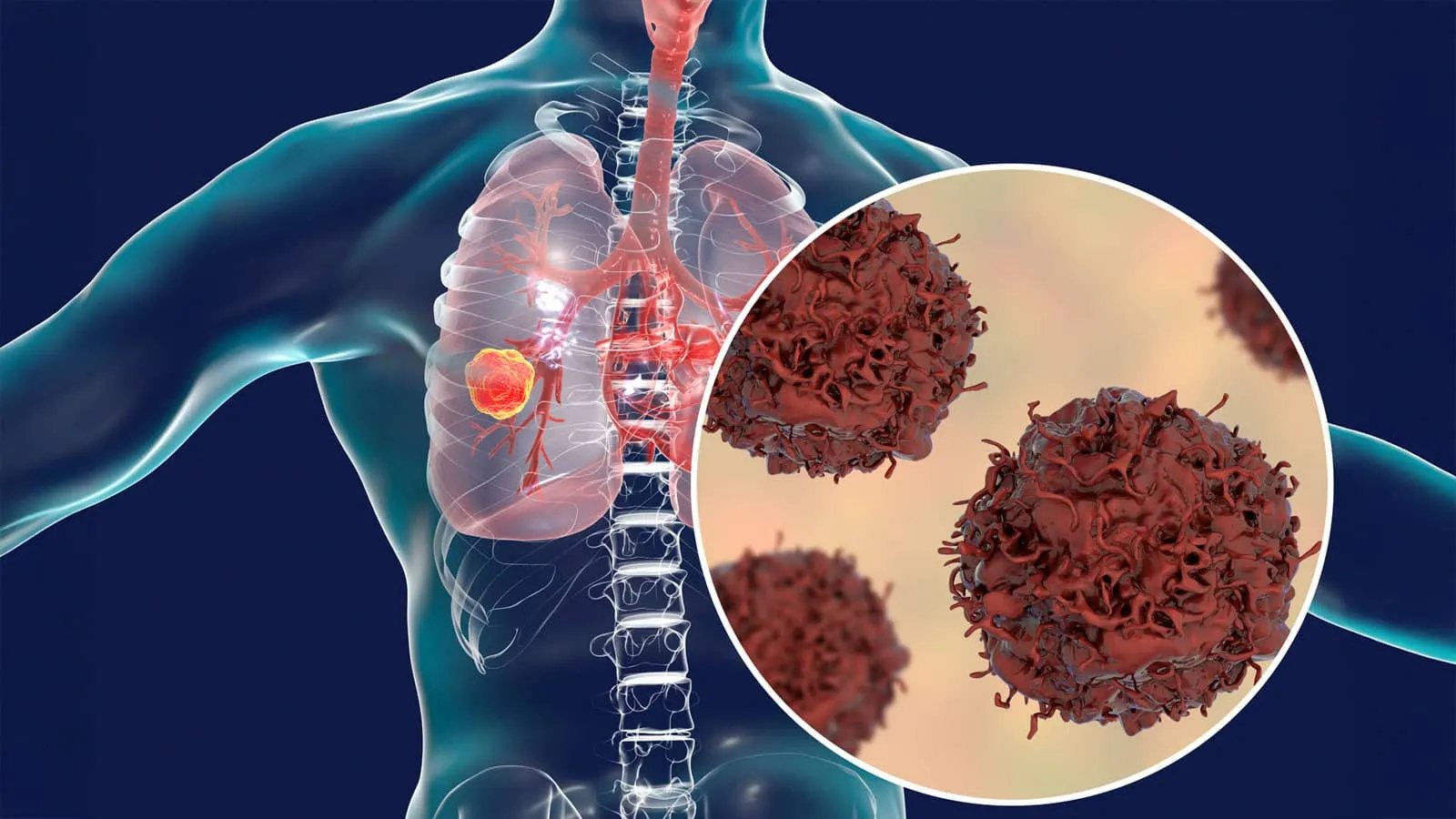
Like all other types of cancer, lung cancer occurs when cells inside the body grow out of control and form a tumor. In this case, those uncontrolled cells are inside the lungs. In some cases, lung cancer spreads, or metastasizes, beyond the lungs into other parts of the body, like the lymph nodes or brain.5
Although less common types, like mesothelioma, may develop, there are two main types of lung cancer:
- Small cell lung cancer (SCLC): This type of lung cancer is typically more aggressive. It accounts for around 15 percent of all lung cancer diagnoses.6
- Non-small cell lung cancer (NSCLC): Making up about 85 percent of diagnoses, NSCLC typically grows more slowly. There are three common types of NSCLC: adenocarcinomas, squamous cell carcinomas, and large cell carcinomas.6,7
Causes and risk factors
The main cause of lung cancer is smoking. Doctors estimate that 80-90 percent of lung cancer deaths are caused directly by smoking.3 If you smoke, you’re 15 to 30 times more likely to develop lung cancer compared to people who don’t smoke.3 Even smoking just a few cigarettes each day or being around other people who smoke raises your cancer risk. You can help lower your risk by quitting.
Other risk factors that increase the odds of getting lung cancer. These include exposure to certain chemicals like:4
- Asbestos
- Arsenic
- Chromium
- Diesel exhaust
- Radon
- Silica
You may also be more likely to get lung cancer if you live in an area with high levels of air pollution, if you’ve had radiation therapy to your chest, or if you have a personal or family history of lung cancer.3,5
Signs and symptoms
Different people may have different symptoms of lung cancer, and many don’t notice any symptoms until the cancer is more advanced. Let your doctor know if you have any of the following symptoms:8
- Chest pain
- Cough that doesn’t go away or gets worse over time
- Coughing up blood
- Fatigue
- Shortness of breath
- Unexplained weight loss
- Wheezing
Diagnosing lung cancer
If your doctor suspects lung cancer, they will likely recommend several tests beyond a comprehensive physical exam, such as:9
- Imaging tests: Chest X-ray, computed tomography (CT) scan, positron emission tomography (PET) scan, and ultrasound are all common tests.
- Sputum cytology: Doctors examine a sputum, or mucus, sample from your lungs to see if cancer cells are present.
- Thoracentesis: This procedure examines fluid around the lungs for cancer cells.
Tissue biopsy is still the gold standard for lung cancer diagnosis. During a biopsy, doctors remove samples of tissue from the lungs. These samples are then checked for cancer cells. If they find cancer, doctors can then stage it to determine if and how far it’s spread in the body.9
Lung cancer screening
In some cases, lung cancer screening can identify problems early, when treatment might be more effective. Low-dose CT scan is the only recommended way to screen for lung cancer.11 According to some research, a once-yearly screening with low-dose CT scan over the course of three years was better than a simple chest X-ray for finding cancer earlier and reducing the risk of death for current and former heavy smokers.10
People who should consider lung cancer screening are:11
- Between 50 and 80 years old and
- Have a 20 pack-year or more smoking history and
- Are current smokers or have quit within the past 15 years
Low-dose CT scan does carry some risks, and this screening test isn’t for everyone. You should ask your doctor if you think it might help.10,11
Treating lung cancer
If you have lung cancer, your treatment depends on which type you have and whether it’s spread into other parts of your body. Common lung cancer treatments include:12,13
- Chemotherapy
- Immunotherapy
- Radiation therapy
- Surgery
An innovative type of treatment, called targeted therapy, may help by blocking cancer cells from growing and spreading. However, targeted therapies are only appropriate for people with certain biomarkers in their tumors. Your doctor can help you determine whether targeted therapy can help.12,13
Common lung cancer misconceptions
Misconception #1 — Only smokers get lung cancer
This just isn’t true. Yes, current and former smokers are more likely to develop lung cancer, but even people who’ve never smoked can get it, too. Your risk of lung cancer increases the longer you smoke or the more you’re exposed to environmental risk factors like diesel exhaust.2,3,4
Misconception #2 — You’ll notice symptoms early
Unfortunately, many people don’t realize they have lung cancer until the disease is advanced. Symptoms aren’t always present in the early stages. Some of the most common symptoms to watch for include shortness of breath, coughing that worsens over time or doesn’t go away, chest pain, and wheezing. If you notice any concerning symptoms, talk with your doctor.8
Misconception #3 — Lung cancer screening isn’t important
For many, lung cancer screening detects problems much earlier, sometimes before symptoms even begin. Because of this, treatments may be more effective. High-risk individuals should have a lung cancer screening every year. Ask your doctor if you think lung cancer screening could help.10,11
The bottom line? Lung cancer can affect anyone, even if you’ve never smoked before. It’s important to know what risk factors could make the disease more likely and symptoms to watch for. If you have any concerns about lung cancer, or if you’d like to know if you could benefit from lung cancer screening, talk with your doctor about your options.