
Cardiovascular Disease Articles
Featured Articles
Read our latest stories on the people and scientific innovations making a difference in patients’ lives.

A Return to Munich: Reflecting on Eight Years of Progress in ATTR-CM
Eight years ago, few people had heard of transthyretin amyloid cardiomyopathy (ATTR-CM), and it was rarely diagnosed in cardiology practice.1,2 Today, it is a treatable condition that cardiologists and heart failure specialists actively screen for, with dedicated clinics, imaging pathways, and a growing evidence base.ATTR-CM is a rare and underdiagnosed cause of heart failure characterized by the abnormal buildup of misfolded transthyretin (TTR) protein depositing in the heart.1 For years, it...

Spotting the Signs of ATTR-CM: Latest Data Reveals Opportunities for More Timely Detection
For many people living with transthyretin amyloid cardiomyopathy (ATTR‑CM) – a rare and underdiagnosed cause of heart failure – receiving an accurate diagnosis can be a long and uncertain journey.1,2 Symptoms often resemble more common heart conditions, and early clues are easy to miss.1 But, new real-world evidence being shared at the American College of Cardiology (ACC) Scientific Sessions highlights opportunities to raise suspicion earlier in the diagnostic journey.“Many patients are already...
Brighter Together: How the Pharmaceutical Industry is Shining a Light on a Rare Cause of Heart Failure
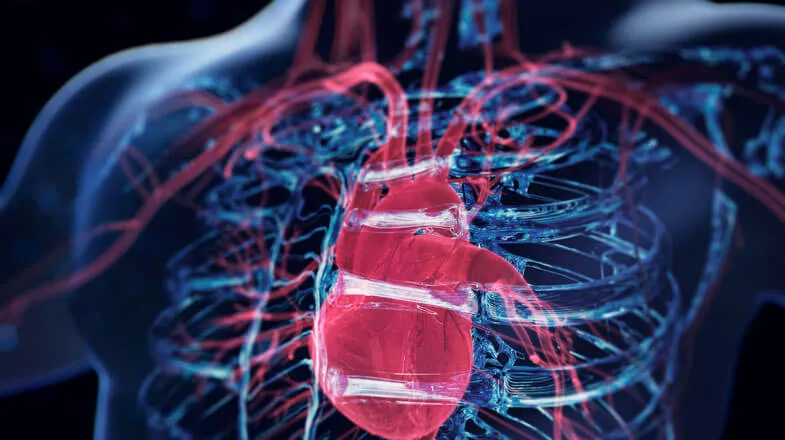
Roughly one in three Americans is at risk for heart failure1, a condition where the heart can no longer effectively pump blood. And one in four will develop heart failure at some point in their lives1. Behind these statistics is a complex issue: the causes of heart failure differ widely among affected individuals. And identifying the underlying cause – especially if it’s rare – can be tricky.Among the less recognized causes is transthyretin amyloid cardiomyopathy, or ATTR-CM, which can mimic...

The Mindfulness of Medicine Development: Advancing Treatments Can Transform Patient Outcomes
At Pfizer, we know that breakthroughs aren’t created in a vacuum. Every new discovery, every new medicine and vaccine, is the result of the collaboration of many members of our community, each with their own unique experiences, expertise, and insights. The human element cannot be separated from our work any more than the patient experience can be removed from the outcome.“The Mindfulness of Medicine Development” series showcases the journeys, experiences, and inspirations of our colleagues...

Three Steps to Boost Your Health Through Nutrition
Pfizer is dedicated to improving healthcare for people all over the globe. Sometimes that means developing a new medication or making a scientific breakthrough, and sometimes it’s as simple as educating and empowering people to make better decisions.March is National Nutrition Month, and we want to inspire you to take some positive steps that can have a major impact on your health. We have the ability to make our bodies healthier and stronger through the foods we select at the grocery store and...

Four Ways to Take Control of Your Heart Health
February is American Heart Month, and before it ends, we want to take some time to learn how we can keep our hearts healthy and strong.This knowledge is crucial to share. Heart disease remains the leading cause of death for Americans, both men and women.1 Yet myths and misunderstandings about heart disease persist, such as who’s at risk and what a heart attack may look or feel like. For example, here are a few surprising facts about heart health:Someone can have a heart attack and not even know...

Harnessing the Power of AI to Detect ATTR-CM
Artificial intelligence (AI) has quietly become a part of our daily lives – through personalized recommendations, virtual assistants, or smart devices, we barely notice it anymore. Yet many of us might not realize the advances AI is making in healthcare. From accelerating drug discovery to improving disease detection, it is transforming the way we understand and manage health.AI has had numerous applications in cardiology in recent years, from analyzing results of cardiac imaging tests to...
High Cholesterol
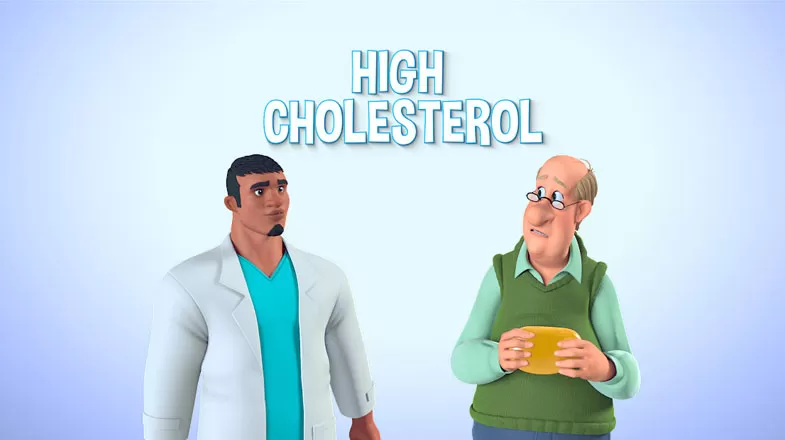
FAST FACTS Cholesterol is a soft, wax-like substance that is manufactured by your body, but can be absorbed from foods like meat, poultry, and full-fat dairy Cholesterol circulates in the blood, and as the levels of cholesterol in your blood rise, so does your chance of getting heart disease or having a stroke Raised cholesterol is estimated to cause 2.6 million deaths yearly To confirm if you have high blood cholesterol, your doctor may ask you to undergo a blood test Certain factors can...

Matter of Moments: Elevating Awareness of AFib and its Connection to Stroke Together with Yahoo! Lifestyle
Atrial fibrillation, or AFib, is a common type of irregular heartbeat that puts people at greater risk of having a stroke and the prevalence of AFib is higher in people aged 65 and older.1Further, AFib is projected to affect around 12 million Americans by 2030.3 Yet, a Harris Poll survey of 1,010 U.S. adults fielded on behalf of the Bristol Myers Squibb-Pfizer Alliance showed the majority of people over the age of 40 are unfamiliar with the condition.4September marks AFib Awareness Month and Mat...

Sweet Science: How Insights into Fructose Metabolism Are Helping to Fight Liver Disease
If you check the labels on your favorite jarred marinara sauce, low-calorie salad dressing, or loaf of bread, you may be surprised to find that they contain added simple sugars — one of the most popular forms of which is high-fructose corn syrup (HFCS), a sweetener used in many processed foods.Over the past four decades, sugar has steadily crept into American diets — a trend that can be largely attributed to the food industry’s embrace of HFCS, used to enhance the flavor of all types of products...

Three Things to Know About Venous Thromboembolism and Cancer
Venous thromboembolism (VTE) can be a dangerous, potentially deadly medical condition that is a leading cause of death and disability worldwide and the third most common cause of vascular death after heart attack and stroke.1 VTE encompasses two serious conditions: deep vein thrombosis (DVT), a blood clot in a deep vein, and pulmonary embolism (PE), a potentially life-threatening condition in which a blood clot blocks a blood vessel in the lungs. Despite the potential dangers of this condition...
Cachexia Insights: Helping Improve Quality of Life in Chronically Ill Patients
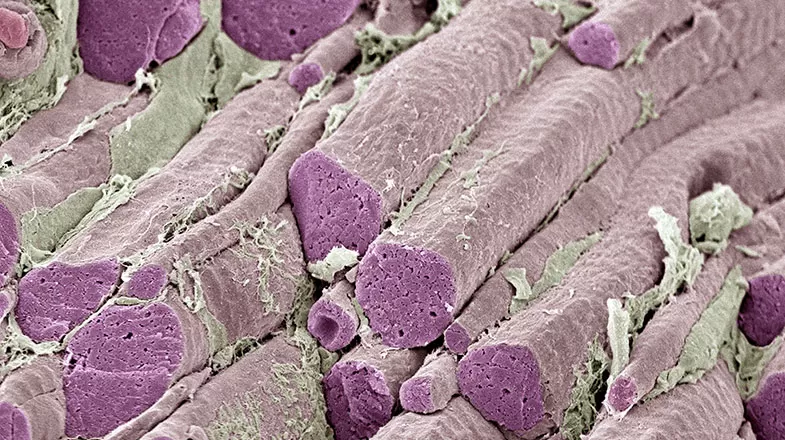
It’s an experience familiar to almost anyone with a family member or friend who has fought a terminal illness, such as cancer or heart failure. In the final stages of life, it can seem as though their loved one is wasting away. This dramatic loss of muscle and fat is caused by cachexia, a wasting disorder that afflicts patients in the late stage of nearly every chronic illness. It’s the immediate cause of death in nearly 20 to 40 percent of cancer patients. “So many people can relate to someone...
Media Resources & Contact Information
Anyone may view our press releases, press statements, and press kits. However, to ensure that customers, investors, and others receive the appropriate attention, Pfizer Media Contacts may only respond to calls and emails from professional journalists.