
Hemophilia Articles
Featured Articles
Read our latest stories on the people and scientific innovations making a difference in patients’ lives.

Listening to the Hemophilia Community: Pfizer Survey Reveals Unspoken Compromises
When living with a lifelong condition like hemophilia, decisions about care and treatment are rarely simple. They are shaped by confidence in a treatment’s potential benefits and risks, along with personal experience, familiar routines, and how well it may fit into daily life.Hemophilia is a rare genetic bleeding disorder that affects the body’s ability to form blood clots due to missing or deficient clotting proteins in the blood known as clotting factors. Over the past several decades...
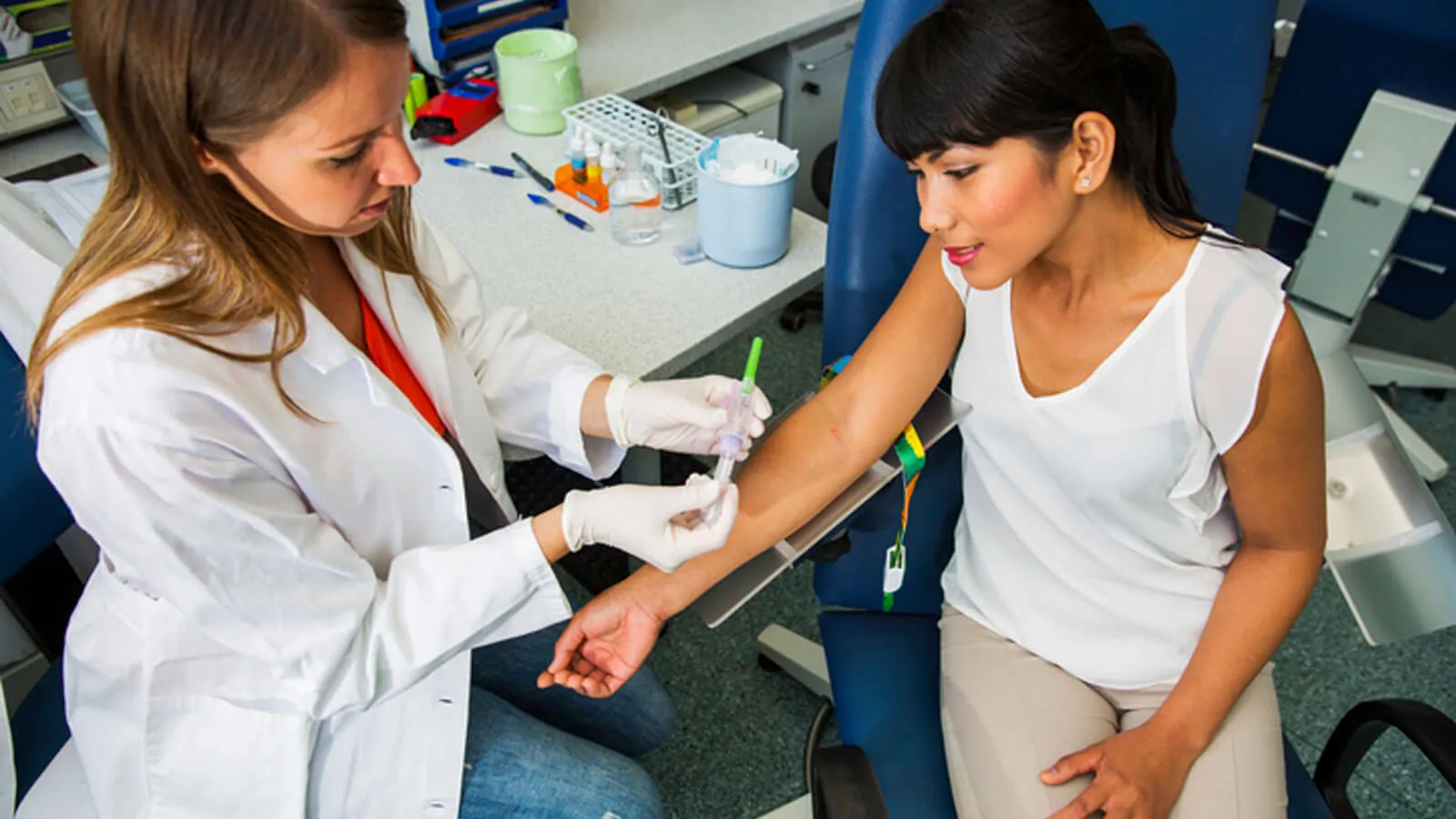
Prevent & Prepare: Tips to Manage Hemophilia Symptoms
At Pfizer, we are proud to advance hemophilia care by supporting collaborative efforts like the World Federation of Hemophilia’s (WFH) Twinning Program, which fosters global knowledge-sharing and strengthens care in both emerging and established communities. Together we are helping build a more connected and empowered global hemophilia community.We also understand that hemophilia can be daunting, not just for the person who has the condition but for their friends and families as well. Minor...

Bridging Global Gaps in Hemophilia Care
Pfizer is proud of its commitment to advancing hemophilia care for more than 40 years, dating back to the introduction of recombinant therapies. But while there has been transformative progress as well as advances in the hemophilia treatment landscape during this time, there is still work to be done to ensure more patients receive the best care.Collaboration is an essential component of our efforts to increase access to treatment and bring breakthroughs to people with hemophilia and bleeding...

ASH 2023: Advancing Potential Breakthroughs for Patients with Hematologic Disorders
This weekend, Pfizer will be joining the hematology/oncology community at the 65th Annual Meeting of the American Society of Hematology (ASH), the premier professional society of clinicians and scientists dedicated to conquering blood diseases.Blood diseases can disrupt a broad range of essential functioning – from providing the body with oxygen and nutrients, to fighting the growth of cancer, to preventing excessive bleeding. Pfizer is advancing novel approaches to blood diseases with next...

In His Shoes (or Hiking Boots): William’s epic solo adventure to help fellow hemophilia patients in need
When it comes to making the world a better place for people living with hemophilia—a rare disease characterized by inadequate blood clotting—William Addison doesn’t just talk the talk.1,2 And he doesn’t just walk the walk, either. William hiked the Appalachian Trail—all 2,200 miles of it—to raise funds for a charity dedicated to improving care for people with hemophilia and other bleeding disorders in developing countries. He completed the solo trek in about half the average time, all while...

Living With Hemophilia
There are currently around 20,000 males in the United States who are living with hemophilia. (Women, who are genetic carriers of the disease, very rarely experience any of the condition’s symptoms.) "Hemophilia comes in several shades of gray, and not everyone who has the condition will be affected in the same way,” says Bartholomew J. Tortella, MD, Medical Director on Pfizer’s Hemophilia team. That said, most boys and men with hemophilia, and those caring for them, will face similar...
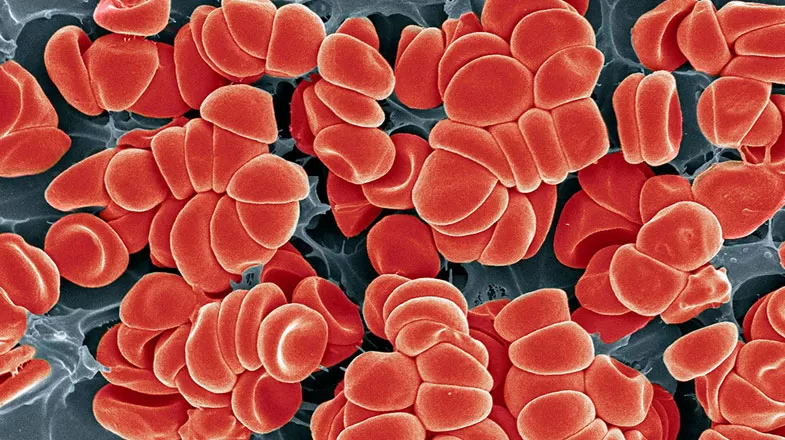
Hemophilia Q&A
Q: What is hemophilia? A: Hemophilia is a blood disorder that primarily affects males. People who have hemophilia tend to bleed for longer periods of time following an injury or surgery. This happens because they have little, or even none, of a protein called clotting factor. Clotting factors help your blood form clots, which play an important role in stopping bleeding. There are many of these clotting factors in the body that are needed for the blood to clot properly. People with...

Supporting the Hemophilia Community
Hemophilia is a rare and life-long bleeding disorder in which the blood does not clot normally. While people with hemophilia can lead fairly normal lives with certain precautions to prevent and control bleeds, managing the condition can be challenging. Those living with hemophilia or caring for someone with hemophilia can face a wide range of difficulties—including medical, psychological, social and financial – which is why a strong network of support is a vital part of comprehensive care. Each...
Media Resources & Contact Information
Anyone may view our press releases, press statements, and press kits. However, to ensure that customers, investors, and others receive the appropriate attention, Pfizer Media Contacts may only respond to calls and emails from professional journalists.