What are the common symptoms of atrial fibrillation?
Find the answer to this question and ask more at Health Answers by Pfizer.



Atrial fibrillation is among the most common arrhythmias, which are abnormal, irregular heartbeats or rhythms. Atrial fibrillation is sometimes referred to as A-Fib or AF.1
Normally, regular electrical signals keep the heart’s four chambers—the two upper atria and the two lower ventricles—beating in a coordinated rhythm, so the heart can pump blood throughout the body.2
During atrial fibrillation, chaotic electrical signals disrupt the atria’s activity, causing the upper chambers to contract irregularly, rapidly, and less effectively than normal.3 As a result, blood often does not completely leave the atria.4 The pooling blood may form clots that can cause strokes if they travel to the brain.4
The chaotic electrical signals may also cause the ventricles to contract more frequently than normal.3 The ventricles may, therefore, be unable to pump sufficient blood to the lungs and body, causing other symptoms.1
People experiencing an atrial fibrillation episode may feel their heart fluttering (a sensation known as palpitations), pounding, or missing a beat. They may also experience fatigue, lightheadedness, shortness of breath, or chest pain.1,2 But about a third of people may not notice any symptoms.5
Atrial fibrillation is often associated with serious health consequences. Untreated atrial fibrillation may lead to a fivefold increase in the risk of stroke.4 It may also increase the chance of congestive heart failure by a factor of five.6 And the risk of death from cardiovascular disease is about five times higher for people with atrial fibrillation than it is for people without the condition.7
It is vital to see a healthcare provider when experiencing symptoms of palpitations, shortness of breath, chest pain, lightheadedness, or fatigue, even if they come and go.8 Only a healthcare provider can determine if the symptoms are from atrial fibrillation or another condition.
In the United States, roughly 1% to 2% of the overall population has atrial fibrillation.5 The prevalence of atrial fibrillation rises with age.9 According to one study, about 0.8% of 18- to 64-year-olds in the U.S. have been diagnosed with the condition. This rate grows to about 8.7% for people in the U.S. aged 65 and older.10
As the population ages and more people live with chronic diseases, experts estimate that the number of patients in the U.S. with atrial fibrillation could grow from about 3-6 million to 6-16 million by 2050.5
Atrial fibrillation does not appear to impact all communities equally. In the U.S., incidence rates in Asian American, Black American, Hispanic or Latino American, and Native American populations are lower than in the white population.11
Among people diagnosed with atrial fibrillation in the U.S., people who are Black have lower diagnosis rates than people who are white. Simultaneously, Black individuals face a heightened risk of conditions and diseases that make them more likely to experience atrial fibrillation.12 Specifically, Black individuals in the U.S. face heightened stroke risk.13
Furthermore, one study compared the variation by race and ethnicity in the prevalence of atrial fibrillation diagnosed by a doctor to the prevalence of atrial fibrillation detected by a monitoring device. The study found that the prevalence of atrial fibrillation diagnosed by a doctor was lower for African Americans than for white Americans, but the prevalence of atrial fibrillation detected by a monitoring device was about the same for both groups.14
Overall, atrial fibrillation is associated with about 450,000 hospitalizations and 160,000 deaths in the U.S. each year.15 Furthermore, cardiovascular deaths related to atrial fibrillation rose between 2011 and 2018. During this period, the mortality rate increased more per year for people aged 35 to 64 than for people aged 65 and 84.16
The number of people 65 and older grew from about 40 million in 2010 to just under 56 million in 2020, the most rapid growth rate since the decade from 1880 to 1890.17 Since atrial fibrillation impacts older adults and those with underlying heart disorders more often than others, this population growth could lead to substantial increases in atrial fibrillation diagnoses.3,5
One study from 2022 found that patients with atrial fibrillation spent about $25,000 more on healthcare than patients without the condition.18 A study of public and private insurance, as well as out-of-pocket payments, found atrial fibrillation cost the U.S. about $28 billion in 2016.19 By 2030, the total healthcare cost could reach about $45 billion.20

We're driving the breakthroughs of tomorrow while fighting against cancer today. The fight takes all of us. Start by answering a few questions to understand your own cancer risks at PfizerForAll.com.
Get Started Details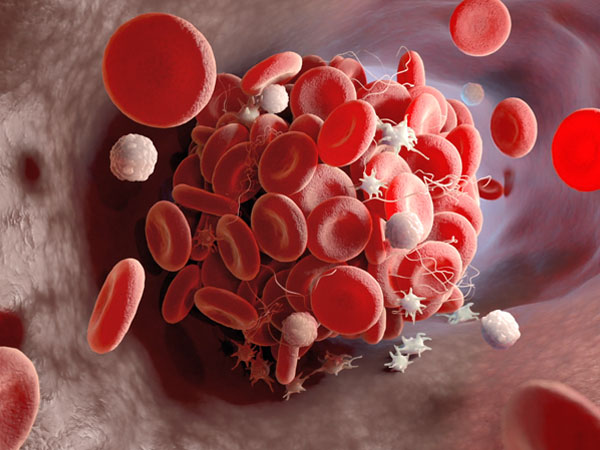
Conditions that affect the heart’s tissue or interfere with its electrical signals can lead to atrial fibrillation.21 In some cases, atrial fibrillation results from conditions that cause the heart muscle tissue to enlarge.3 In others, factors like structural changes to the existing heart muscle, inflammation, buildup of certain cells or minerals within the heart, or reduced blood flow to the heart may cause atrial fibrillation.21
Some cases of atrial fibrillation occur early in life and without identifiable damage to the heart, suggesting a genetic link.22 Experts have found that about 30% of atrial fibrillation patients without an underlying cause have a family history of the disease. These cases are sometimes known as familial atrial fibrillation.23
Genetic mutations are associated with atrial fibrillation in two ways. They can directly cause the condition or predispose someone to develop it. For example, scientists identified a gene that directs the development of a channel in the heart muscle cells that carries ions. The flow of these ions helps dictate the heart’s rhythm. Mutation in this single gene, called KCNQ1, is associated with a higher risk of atrial fibrillation. Mutations in other genes that influence the development and structure of the heart can also lead to the condition.23
A single gene variation is not a common cause of the condition. Instead, when multiple common mutations add up, they raise a patient’s overall risk of developing the condition.23
Many risk factors are associated with atrial fibrillation, including age, biological sex, and underlying health conditions. For example, one of the primary risk factors is advancing age;24 the risk of developing atrial fibrillation doubles every 10 years of a person’s life.25
This results in a higher prevalence of atrial fibrillation for people 65 and older compared to people below that age.5,10 Between 2010 and 2020, the number of people age 65 or older in the U.S. increased by 38.6%.17 This growth could lead to more cases of atrial fibrillation.5 Studies found that an 80-year-old’s lifetime risk of atrial fibrillation is 22%.26
Heart failure, hypertension, coronary artery disease, diabetes, kidney disease, obesity, and sleep apnea are all risk factors for atrial fibrillation.27
A person’s biological sex seems to have an influence, too. Prevalence appears to be higher in people assigned male at birth—about 10.3% of people in the U.S. enrolled in Medicare and over the age of 65—than it is in people assigned female at birth—around 7.4% in the same population.24
Here is more detailed information about some of the risk factors for developing atrial fibrillation:
High blood pressure leads to about 14% of atrial fibrillation cases.28 Hypertension can dilate parts of the heart, making atrial fibrillation more likely.3
Diseases that impact the heart's valves have been connected to a 1.8-fold increased risk for atrial fibrillation for people assigned male at birth and a 3.4-fold increased risk for people assigned female at birth.28 Heart valve disorders may also increase the size of the atria and, in turn, increase the risk of atrial fibrillation.3 Ischemic heart disease is also known to trigger atrial fibrillation.26
The risk of atrial fibrillation increases with the severity of kidney disease.28
Up to 55% of cardiac surgeries lead to postoperative atrial fibrillation. Like atrial fibrillation that does not arise from surgery, postoperative atrial fibrillation increases the risk of stroke and mortality.29,30
Cancer patients’ risk of atrial fibrillation is twice that of the general population. Moreover, several cancer treatments are associated with atrial fibrillation.31
This is a disorder in which a person’s breathing stops and restarts throughout the night. It increases a person’s risk of developing atrial fibrillation.28 One study found that nearly half of people with atrial fibrillation are likely to have obstructive sleep apnea.32 Because of the correlation between the disorders, some experts suggest that patients with obstructive sleep apnea should be referred to a heart specialist for further evaluation.33
One analysis found that prediabetes increases the risk of atrial fibrillation by about 20% and that diabetes increases it by 28%.34
The relationship between exercise and atrial fibrillation is nuanced. Even though regular exercise helps reduce cardiovascular risk factors and their complications, including atrial fibrillation, it is also possible that more strenuous activity, such as endurance training, could increase the likelihood of the condition in some cases.28 It’s important to consult with a healthcare provider to determine the right balance.
Obesity could account for 20% of atrial fibrillation cases. The risk of developing the condition increases with body mass index.35 Body mass index—a person’s weight divided by the square of their height—is a screening tool used to help determine whether an individual’s weight places them at higher risk for health problems.36
The longer a person smokes cigarettes and the more alcohol they consume, the higher their likelihood of developing atrial fibrillation.21
Hyperthyroidism is associated with atrial fibrillation. One study found that hyperthyroidism—a condition that causes overactivity of the thyroid gland and may cause a rapid or irregular heart rate37—is about twice as prevalent in patients with atrial fibrillation as in people without. Some research has suggested that many patients who are treated for hyperthyroidism and atrial fibrillation achieve a normal heart rate.38
Taking certain steps that improve cardiovascular health may help reduce the risk of atrial fibrillation.39 For example, managing high blood pressure, also known as hypertension, may help reduce the risk of atrial fibrillation. Patients with hypertension are as much as 73% more likely to develop the disorder than people with blood pressure that is within a healthy range.40 Moderate exercise can sometimes reduce the risk of developing atrial fibrillation. Quitting smoking is encouraged to reduce the risk of atrial fibrillation and better overall heart health,39 as one analysis found that tobacco smokers have a 33% higher chance of developing the disease than people who never smoke.40 Diabetes management and weight loss may also play roles in atrial fibrillation prevention.39
Experts classify atrial fibrillation by its duration or underlying causes.8 Some common types include:
Atrial fibrillation occurs suddenly but then stops within seven days, with or without treatment. Episodes may come and go a few times a year or even occur daily.8
The episodes of irregular heart rhythm last more than a week and require intervention.8
Arrhythmias last for more than a year.8
When arrhythmia doesn’t respond to treatments and the patient and healthcare providers decide to no longer address it, the arrhythmia is classified as permanent.8
Atrial fibrillation occurs even though an individual does not have a mechanical heart valve or moderate to severe mitral stenosis.41

Although people with atrial fibrillation have an increased risk of stroke and heart failure,4,6 compared to those without atrial fibrillation, about a third of patients do not experience symptoms.42
People who have symptoms may experience palpitations, which is a noticeable feeling that your heart is beating. Chest pain, shortness of breath, reduced ability to exercise, dizziness or lightheadedness, fatigue, and fainting are all possible symptoms.43
The risk of stroke may be five times higher for an individual with atrial fibrillation.4 Strokes occur when the blood supply to the brain is interrupted, cutting off the vital supply of oxygen and nutrients to a part of the brain. This can lead to brain cell damage, disability, and death.44
There are different types of strokes. In an ischemic stroke, a clot partially or fully blocks blood flow to the brain.44 A hemorrhagic stroke occurs when a ruptured blood vessel causes bleeding into the brain.45 And a transient ischemic attack happens when a brief interruption of blood supply to a section of the brain causes a stroke for a few minutes. About a third of people who suffer a transient ischemic attack, or a temporary stroke, go on to have an acute stroke.46

During atrial fibrillation, the heart’s irregular contractions increase the chance of blood pooling in the atria and, in turn, the risk of blood clots developing. If these clots travel to the brain, they can cause a stroke.47
One retrospective study found that about 22% of patients hospitalized for ischemic stroke and about 16% of patients hospitalized for a transient ischemic attack received a new atrial fibrillation diagnosis.48 Another study found that people with atrial fibrillation tend to experience more severe ischemic strokes than those who didn’t have the condition but also suffered ischemic strokes.49
Heart failure may be five times more likely for patients with atrial fibrillation than for people who do not have the disorder.6 Heart failure is a condition in which the heart struggles to pump enough blood to meet the body’s needs.50 This occurs when the heart beats irregularly or too quickly during atrial fibrillation.47 The two conditions are often more deadly together than alone.51
For example, one study of hospitalized patients with atrial fibrillation found that their three main causes of death were heart failure, infections, and cancer. Permanent atrial fibrillation and heart failure were the strongest predictors for mortality, while using oral anticoagulants was associated with a lower risk of death.52
Diagnosing atrial fibrillation often starts with a healthcare provider talking to patients about their symptoms and medical history. This includes asking whether the patient has experienced common symptoms like palpitations or shortness of breath, covering risk factors like high blood pressure or a sleep disorder, and discussing lifestyle choices like drinking alcohol and smoking.26
A physical exam may also be a part of the diagnostic process. Healthcare providers may look for elevated thyroid levels; check for swollen legs, ankles or feet, which could suggest heart failure; and listen to the heart’s rate and rhythm.53
An electrocardiogram is a useful way to confirm an atrial fibrillation diagnosis.54,55 Also known as an ECG or an EKG, this test detects the heart’s electrical signals to measure its rhythm and rate.54 It generally lasts a few minutes, during which electrodes placed on the skin evaluate the heart’s electrical signals.54,55
Since atrial fibrillation events are often intermittent or paroxysmal, episodes may not occur during an ECG test. In these situations, people may wear an ECG device for several days. Healthcare providers may even implant a small instrument into a patient’s chest for a longer evaluation.55
Healthcare providers may use other technologies during diagnosis, such as magnetic resonance imaging, or an ultrasound scan of the heart, also known as echocardiography. These imaging tests help assess the size and structure of the heart’s chambers, evaluate how well it is pumping, and spot blood clots.53
Finally, healthcare providers often order blood tests to measure the levels of substances in the blood that may affect atrial fibrillation, like thyroid hormone and electrolytes.55
Experts believe there is a high prevalence of undiagnosed atrial fibrillation cases. One study estimated that the prevalence of atrial fibrillation in the U.S. during the third quarter of 2015 was about 5.6 million cases, of which about 590,000 were undiagnosed, for a rate of about 11%. Moreover, 93% of patients in the undiagnosed group met the criteria for oral anticoagulant treatment to reduce the risk of stroke.42
It can be challenging to identify these patients because about a third of people with atrial fibrillation don’t experience symptoms.5,40 As a result, these individuals’ AF may remain undetected until a person develops other complications like stroke or heart failure.42 One retrospective study found that about 22% of patients received a new atrial fibrillation diagnosis during hospitalization for ischemic stroke, and 16% of patients were diagnosed with the condition during hospitalization for a transient ischemic attack.48
Identifying people with asymptomatic atrial fibrillation could enable them to start guideline-recommended management and reduce their chances of stroke and death.56 But questions remain over what type of screening procedures are the most effective and accurate at detecting more undiagnosed people with atrial fibrillation.57 Screening procedures tend to be opportunistic,42 which means that a healthcare provider performs an evaluation during a patient’s routine visit.57 But studies have also found potential in systematic screening42—the widespread testing of all people above a certain age.57
However, the U.S. Preventive Services Task Force could not find enough evidence to make a recommendation for or against screening for atrial fibrillation in asymptomatic adults over the age of 50. More studies are needed, they concluded.58
Medication and treatments for atrial fibrillation generally help moderate the heart’s rate, steady its rhythm, or reduce the risk of blood clots that can lead to a stroke.59
For example, if a patient’s heart rate is too fast, beta-blockers help reduce the rate, giving the ventricles more time to fill with blood. Calcium channel blockers can also help slow a patient’s heart rate while potentially weakening the force of its contractions.60 But people who already have a slow heart rate or low blood pressure should avoid these medications, as they may worsen those problems.59
Some medications may help return the heart to a more normal rhythm. These include sodium channel blockers, which impact the heart’s electrical conductivity, and potassium channel blockers, which impede the signals that lead to atrial fibrillation.60 Healthcare providers may prescribe rhythm control medications for patients who do not improve with heart rate medications.59
Electrical cardioversion is another treatment option that can moderate the heart’s rhythm. This procedure uses low-energy electric shocks delivered via paddles or patches on a person’s chest to help restore the heart’s normal rhythm.61
Patients with atrial fibrillation may seek ablation if they opt out of medications or electrical cardioversion or if these treatments fail.61 In the procedure, a cardiologist guides a catheter into the heart and either burns or freezes the abnormal electrical pathways causing the abnormal electrical signals. This helps stop the disruption of the heart’s rhythm.62 Some people may require multiple procedures.61 Finally, people with atrial fibrillation who also have another arrhythmia may require a surgically implanted pacemaker to maintain the heart’s normal rhythm and rate.59,63
People with atrial fibrillation who are at risk of having a stroke may take blood thinners to help prevent blood clots that may lead to stroke.59,60 Direct-acting oral anticoagulants are a class of medicines often used for the prevention of stroke in patients with atrial fibrillation not caused by a heart valve problem.64 Blood thinners can prevent the formation of clots in blood vessels or prevent clots from growing in size.65 But it is important to note that these medications increase a person’s risk of bleeding.59 Discussions with healthcare providers will help arrive at patients’ best treatment options.
During treatment, healthcare providers may encourage patients to address underlying conditions and lifestyle choices that increase the risk of atrial fibrillation.59 When appropriate, strategies include treating sleep apnea, reducing weight and high blood pressure, managing diabetes, quitting smoking, limiting alcohol consumption, and eating a healthy diet.40
Healthcare providers may use the CHA2DS2–VASc assessment scale, which is included in the AHA/ACC/HRS guidelines for managing atrial fibrillation,41 as they discuss medication options with patients.60 This acronym stands for congestive heart failure, hypertension, age (75 years or over), diabetes mellitus, prior stroke, vascular disease, age (65 to 74 years), and sex.60 This assessment helps healthcare providers decide whether a patient with atrial fibrillation is at higher risk for developing a stroke and whether or not they meet guideline recommendations for treatment with anticoagulation.66
Wearable devices can aid in the detection of asymptomatic and symptomatic atrial fibrillation. These technologies come in many forms, including smartwatches, wristbands, rings, and patches.67 Specialized handheld devices and smartphone applications that aid in the detection of atrial fibrillation are also available.27,68
These tools employ different methods for measuring heart activity. Photoplethysmography-based devices determine a user’s pulse using an optical technique to detect changes in small blood vessels.27,69 Electrocardiography-based devices are also available.69 These use sensors that measure the heart’s electrical activity.54 It is important to be cautious when interpreting the results of mobile and smart technologies, as many have not been validated in a clinical setting. People should consult with a physician for an atrial fibrillation diagnosis.27

Over the last 50 years, the prevalence of atrial fibrillation has tripled, affecting around 46 million people worldwide in 2016.5 Overall, the condition is the sixth leading cause of cardiovascular deaths, with an estimated 366,000 deaths globally in 2021 and 8.2 million disability-adjusted life years. Disability-adjusted life years are the sum of the number of years lost because of early death and the number of years spent living with a disability.70
Atrial fibrillation’s incidence and prevalence will increase alongside aging populations around the world, leading some experts to describe it as a global epidemic.5 By 2050, as many as 72 million people in Asia and 17 million people in the European Union may have atrial fibrillation.5,71
In general, high-income countries tend to have a higher prevalence of atrial fibrillation and mortality associated with the condition than do low- and middle-income countries, but these differences could result from underreporting in low-income areas.72
Atrial fibrillation is among the most common arrhythmias, which are irregular heart rhythms.1 People with atrial fibrillation experience episodes of rapid and irregular heartbeats, during which the heart does not pump blood as effectively as normal.2 Blood often pools in the heart’s upper two chambers, the atria, increasing the risk of blood clots that can cause a stroke.4 Atrial fibrillation also raises the risk of heart failure.4
Normally, electrical signals keep the heart beating at a normal regular pace and rhythm. During atrial fibrillation, abnormal electrical signals cause the heart’s upper two chambers—the atria—to beat irregularly and sometimes faster than normal. These abnormal electrical signals may also cause the heart’s lower two chambers—the ventricles—to beat rapidly, too.3,21
Issues that affect the heart’s tissue or disrupt its electrical signals can lead to atrial fibrillation.21 Some cases appear to be linked to genetic mutations.22 Risk factors for atrial fibrillation include heart failure, hypertension, coronary artery disease, diabetes, kidney disease, obesity, and sleep apnea.27
No medications can cure atrial fibrillation.2 In some cases, the condition spontaneously disappears.1 Treatment with ablation and electrical cardioversion may help the heart regain a normal rhythm.61 Some patients have permanent atrial fibrillation, which continues despite treatments and interventions.26
Atrial fibrillation symptoms may come and go, as is the case with paroxysmal atrial fibrillation.26 However, the underlying condition that results in atrial fibrillation must be treated by a medical professional. In some cases, underlying conditions are reversible; this is the case with hyperthyroidism, excessive alcohol or caffeine use, and inflammation of the heart muscle.73
Atrial fibrillation can cause fatal complications, including stroke and heart failure.1 Each year in the United States, the condition contributes to more than 450,000 hospitalizations and nearly 160,000 deaths.15
Healthcare providers may suggest a healthy diet and exercise to improve overall heart health and mitigate the underlying risk factors associated with atrial fibrillation.59 In general, risk factors include heart failure, hypertension, coronary artery disease, obesity, and sleep apnea.27 Medication, procedures, or surgery may be necessary to treat the condition.59
These terms describe the feelings a person may experience due to the racing or irregular heart rate caused by atrial fibrillation.1 However, as many as a third of patients with atrial fibrillation do not experience any symptoms.5
The feeling of the heart skipping a beat is also associated with other arrhythmias,75 including premature contractions in the atria or ventricles.76
Find the answer to this question and ask more at Health Answers by Pfizer.
Find a Pfizer clinical trial for atrial fibrillation at PfizerClinicalTrials.com.
Explore atrial fibrillation clinical trials at ClinicalTrials.gov.
Area of Focus: Internal Medicine
Atrial Fibrillation is a focus of Pfizer’s Internal Medicine Therapeutic Area. Visit the Internal Medicine Page.
The information contained on this page is provided for your general information only. It is not intended as a substitute for seeking medical advice from a healthcare provider. Pfizer is not in the business of providing medical advice and does not engage in the practice of medicine. Pfizer under no circumstances recommends particular treatments for specific individuals and in all cases recommends consulting a physician or healthcare center before pursuing any course of treatment.