Early Detection is Key
In the fight against cancer, every screening, every result, every early detection matters. Join the fight against cancer and get screened at PfizerForAll.com/Screenings.



In the fight against cancer, every screening, every result, every early detection matters. Join the fight against cancer and get screened at PfizerForAll.com/Screenings.
Cervical cancer is a type of cancer that begins in the cells that line the cervix, the lowermost portion of the uterus (womb).1 The cervix links the uterus to the vagina (birth canal) and is made up of two parts:1,2
The endocervix and exocervix meet at a point known as the transformation zone. The precise location of this zone changes over time due to factors like aging and giving birth. Most cases of squamous cell carcinoma begin in the transformation zone.1
As with all types of cancer, cervical cancer begins when cells start to grow uncontrollably.1 Before any cancer develops, cervical cells go through changes called dysplasia—in this process, abnormal cells begin to show up in cervical tissue. If left untreated, these abnormal cells can become cancerous and begin growing further into the cervix or, in some cases, surrounding tissues and organs.2
Research suggests that about almost all cases of cervical cancer result from chronic, or long-term, infection with high-risk strains of the human papillomavirus (HPV). Two high-risk strains, HPV 16 and HPV 18, cause 70% of cervical cancers globally.3
Fortunately, cervical cancer is highly preventable. HPV vaccination, cervical cancer screenings, and appropriate follow-up treatment for any abnormal findings are key to preventing cervical cancer.3
According to the American Cancer Society, the U.S. can expect about 13,360 new cervical cancer diagnoses in 2025. Of those, a little over 4,320 people will die from the disease.4
Doctors diagnose pre-cancerous conditions of the cervix far more often than invasive cervical cancer. People who are diagnosed with cervical cancer are most likely to be between the ages of 35 and 44. The average age at the time of diagnosis is 50 years old. However, older people are still at risk, as almost 20 percent of cervical cancers occur in people over the age of 65.4
While cervical cancer was once a common cause of cancer death for people assigned female at birth, the death rate from the disease has fallen. Still, the death rate for people assigned female at birth who are Black or Native American are 65 percent higher than those who are White.4 People who are Hispanic also have high rates of cervical cancer diagnoses and have the second highest rates of death from the disease.5
Cervical cancer rarely occurs in people who receive regular cancer screenings before the age of 65. The HPV vaccine also contributes to lower incidence and mortality rates.4
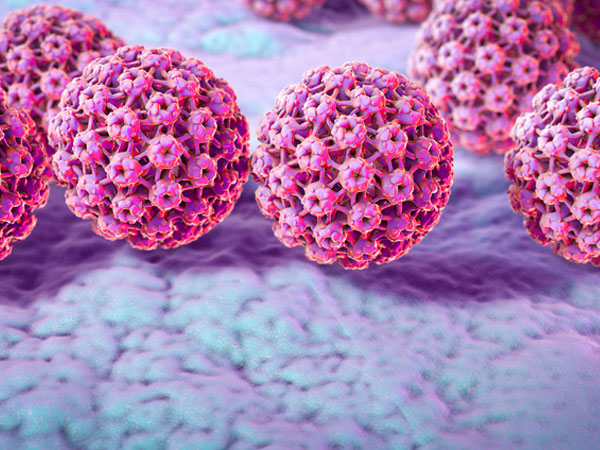
Cancer often results from genetic defects, or changes in DNA. DNA is present in most body cells and makes up a person’s genes, which, in turn, manage various cellular functions. Some genetic defects affect oncogenes, which help control how a cell grows and divides. Others impact tumor suppressor genes, which keep cell growth in check and instruct cells to die at an appropriate time.6
Chronic, or long-term, infection with HPV causes almost all cervical cancer cases.3 The virus has two unique proteins, E6 and E7, which “turn off” some tumor suppressor genes. As a result, cells in the cervical lining grow out of control, and other genes experience changes that may lead to cancer.6
Worldwide, two high-risk types of HPV, known as HPV 16 and HPV 18, cause about 70 percent of cervical cancer cases. HPV is a common infection affecting almost all sexually active people at some point in their lives. While most HPV infections go away on their own, some infections last longer. If a high-risk HPV infection lasts for years, it’s more likely that the person with the infection will develop precancerous lesions in cervical tissue. Failure to remove those lesions may lead to cervical cancer.3
It's important to remember that high-risk HPV infection isn’t the only cause of cervical cancer, and most people with HPV don’t develop cervical cancer. Other risk factors, like HIV infection or smoking, may increase the risk of developing cancer.6
Several risk factors are linked to cervical cancer. Some risk factors can be changed while others cannot.
HPV is actually a group of about 150 separate but related viruses—the most important risk factor for cervical cancer is persistent infection with a high-risk type of HPV. HPV spreads from person to person through skin-to-skin contact, including sexual activity such as vaginal, anal, and oral sex.7
Not all kinds of HPV infection result in cervical cancer. For example, some forms of HPV cause warts to form on different body parts including genital organs and the anal area. These forms of HPV are considered low-risk because they usually do not lead to cancer.7
High-risk HPV infections, like HPV 16 and HPV 18, are linked to several forms of cancer, including cancer of the cervix, vulva, vagina, penis, anus, throat, and mouth.7
Factors related to an individual’s sexual history may impact the likelihood of developing cervical cancer, likely by increasing the risk of exposure to HPV. These include:7
Smoking is a known risk factor for many types of cancer including cervical cancer. People who smoke are about twice as likely to develop cervical cancer compared to people who don’t smoke.7
Various factors that may weaken a person’s immune system have been linked to cervical cancer. People with HIV infection and those who take certain medications that suppress the immune system, like people who have had an organ transplant, are at higher risk.7
Chlamydia is a type of bacteria that is a relatively common sexually transmitted infection. Some research suggests this bacteria may increase the risk of cervical cancer by helping HPV grow and live on the cervix.7
Long-term use of oral contraceptives (birth control pills) may increase the risk of cervical cancer.7
Doctors theorize that people who have had three or more full-term pregnancies are at increased risk of cervical cancer. Doctors theorize that this may be related to increased exposure to HPV because of sexual activity. Also, various hormonal changes that occur during pregnancy may make a person more likely to become infected with HPV or develop cervical cancer. Some research indicates that pregnant people may have weaker immune systems, which may contribute to cancer development.7
Cervical cancer occurs more often in people who were under 20 years old when they had their first full-term pregnancy compared to people who waited until at least age 25 to get pregnant.7
From the late 1930s to the early 1970s, the hormonal drug DES was given to people, to help prevent miscarriage. Exposure to DES in the womb increases the risk of developing a rare type of cancer called clear-cell adenocarcinoma. While this type of cancer can affect the cervix, it more commonly affects the vagina.7
Some research suggests that cervical cancer runs in families. A person with a mother or sister with the disease is more likely to develop cervical cancer compared to someone with no family history. Genetic factors may also lead to inherited conditions that make it more difficult to fight off HPV infection.7
Some research suggests that other factors, like a diet low in fruits and vegetables, may increase cervical cancer risk.7 It’s also possible that people with lower incomes are at higher risk, possibly because of a lack of insurance and lower screening rates.7,8
Doctors classify precancerous conditions, as well as cervical cancer itself, by how it looks under a microscope. Most cervical cancers fall into one of two categories:
Other cancers, like melanoma, sarcoma, or lymphoma, may form in the cervix, but they are more common in other parts of the body.1

People with precancerous conditions of the cervix, or those with early-stage cervical cancer, may not have any noticeable symptoms. Generally, symptoms don’t appear until cervical cancer is more advanced.10
Symptoms may include:10,11
More advanced cervical cancers may result in symptoms like:10,11
Keep in mind that these symptoms may occur due to other medical conditions that are not cervical cancer. However, if you do have any symptoms, it’s important to see your doctor to rule out any problems and begin treatment promptly, if necessary.10,11
Regular screening examinations and receiving the HPV vaccine are the two easiest, most effective ways to prevent cervical cancer. Screening tests usually include:12
Your age and health history help determine how often you should be screened for cervical cancer. Several organizations have developed guidelines to help people know when to get tested. The United States Preventive Services Task Force (USPSTF), recommendations from 2018 include the following:13
The American Cancer Society (ACS) updated its screening guidelines in 2020 that slightly differ from the USPSTF recommendations. According to the ACS, no screening is needed until age 25. From age 25 to 65, the preferred screening method is an HPV test every five years. Although not preferred, the screening guidelines from the USPSTF are still acceptable.13,14
Your doctor may suggest that you take additional tests or are screened more often depending on your health history. Some health factors that may impact how often you’re tested may include (but are not limited to):13
Regular screening exams and the HPV vaccine are the best ways to prevent cervical cancer. While not all types of HPV cause cervical cancer, vaccination and screening help prevent persistent infection with a high-risk variant, which may minimize cervical cancer risk.3
The Centers for Disease Control and Prevention uses the following guidelines for HPV vaccination:15
Doctors use several tests to diagnose cervical cancer.
During this procedure, your doctor inserts a speculum into the vagina to open it gently and visualize the cervix. Then, the doctor applies a vinegar solution to the cervix to help identify any abnormalities. Next, the doctor places a colposcope close to the vagina. This tool has a light and magnifying lens to help the doctor see the cervix. A colposcopy usually includes a biopsy of cervical tissue.16
During a biopsy, doctors remove a small sample of tissue for further examination in a laboratory. The type of biopsy used depends on each patient’s needs:16
Following a diagnosis, doctors stage the cancer. That means they determine if and how far the cancer has spread. The stage of the cancer helps set a treatment course and can give insight into how effective treatment may be.17
Doctors use several types of tests, along with visual examination of the cervix, to help determine cervical cancer’s stage. Imaging tests may include:16
After these tests, doctors use the International Federation of Gynecology and Obstetrics (FIGO) staging system to assign a clinical stage to cervical cancer. FIGO scores range from I to IV, with several different substages used to further describe the cancer’s growth:17
In some cases, cervical cancer returns after treatment—this is known as recurrent cancer. The cancer may reappear in the cervix, or it may metastasize to other parts of the body18
After receiving a diagnosis, your cancer care team will work closely with you to determine which treatments might be best. Some people may only need one type of treatment, while others benefit more from a combination of options.19,20
Many people with cervical cancer undergo some type of surgery to help diagnose, stage, and treat cervical cancer. If you have a precancerous condition of the cervix, or early-stage cervical cancer, your doctor may recommend:21
For more invasive or advanced cervical cancers, surgery options include:21
High-energy radiation particles kill cancer cells directly. Doctors usually use one of two types of radiation treatment, either individually, together, or in combination with other treatments:22
This type of treatment uses medicines to target certain proteins on cervical cancer cells. An antibody-drug conjugate (ADC) is a type of monoclonal antibody that’s coupled with a chemotherapy medication. The ADC brings chemotherapy directly to cancer cells by attaching onto a target protein on the cell surface. Common targeted therapy medications include:23
This treatment approach boosts the body’s own immune system to help make it more effective against cancer. Doctors commonly prescribe immune checkpoint inhibitors, like PD-1 inhibitors such as pembrolizumab, to treat some forms of cervical cancer.24
This treatment method involves the use of powerful medicines delivered directly into the body. Chemotherapy drugs may be given alone or in combination with other types of therapies, such as radiation therapy, to stop cancer cells from growing.25
In many cases, doctors recommend a combination of chemotherapy medications when therapy first begins. Subsequent treatments may also be a combination of medications, although individual chemotherapy medicines are prescribed as needed.26
Some common first-line chemotherapy regimens used for cervical cancer include:26
Individual second-line chemotherapy medicines include:26

Cervical cancer is the fourth-most common cancer worldwide among people assigned female at birth. According to the World Health Organization:27
Cervical cancer is a type of cancer that begins in cells lining the cervix.1 Fortunately, cervical cancer is highly preventable. Almost all cases of cervical cancer result from infection with high-risk types of human papillomavirus (HPV). Regular screenings and HPV vaccination, along with any appropriate follow-up treatment, are the best ways to prevent cervical cancer.3
HPV is a group of more than 150 related viruses. Certain types of HPV, like HPV 16 and HPV 18, are high-risk—that is, they are more strongly linked to cancers such as cervical cancer and cancers of the vulva, vagina, penis, anus, throat, and mouth.7
HPV spreads through skin-to-skin contact, including sexual activity such as vaginal, anal, and oral intercourse. While some types of HPV are linked to cancer, other lower-risk HPV strains may cause warts on various parts of the body, including genital warts.7
Nearly all cases of cervical cancer result from long-lasting infection with high-risk HPV. Around 70 percent of cervical cancers around the world are caused by HPV 16 and HPV 18. When high-risk HPV is left untreated, it can lead to changes in cervical cells and cause precancerous lesions. Failure to remove any lesions may eventually lead to cervical cancer.3
Nearly all sexually active individuals will contract HPV at some point in their lives. Most HPV infections go away on their own without causing cancer.3 However, HPV isn’t the only cause of cervical cancer.6
Even though almost all cases of cervical cancer result from persistent, high-risk HPV infection, most people who contract HPV will not develop cervical cancer.3,6 Only about 10 percent of people with HPV will have a long-lasting infection that can increase the risk of cancer. HPV generally only causes cancer when the infection is ongoing and stays in the body for a long time.28
HPV typically spreads from one person to another through skin-to-skin contact, including sexual activity such as vaginal, anal, and oral sex.7 Almost every sexually active individual will eventually contract the virus. People assigned male at birth are also capable of carrying HPV and passing it on to their partners.29 Using condoms can lower the risk of HPV transmission, but exposure can still occur in areas not covered by the condom.3,29 Most HPV infections go away without medical intervention and do not cause cancer.3
The prognosis, or outlook, for cervical cancer depends on several factors, like the stage and type of cervical cancer that’s diagnosed. The 5-year survival rate for cervical cancer that’s diagnosed at an early stage is 91 percent.30
If the cancer is diagnosed after it has spread to other tissues, organs, or lymph nodes, the 5-year survival rate declines to 60 percent. Very advanced cervical cancers, such as those that have spread to distant parts of the body, have a 5-year survival rate of 19 percent.30
Nearly all cases of cervical cancer could be prevented with regular screenings and the HPV vaccination.3
Regular screenings help most people prevent cervical cancer.3 You can get screened by contacting an OB/GYN—then, your doctor can perform a visual examination, Pap test, and HPV test to assess your risk.13
After making a diagnosis, your doctor will help you understand the disease, including its stage, type, and suggested treatments. Your healthcare team will determine your best treatment options while also considering your personal preferences, like fertility preservation, if possible. Your doctor can also connect you with various resources to help you navigate the treatment process.19
Find the answer to this question and ask more at Health Answers by Pfizer.

Find a Pfizer trial for cervical cancer at PfizerClinicalTrials.com.
Explore cervical cancer clinical trials at ClinicalTrials.gov.
Area of Focus: Oncology
Cervical Cancer is a focus area for Pfizer Oncology. To learn more about how we’re accelerating breakthroughs to outdo cancer, visit the Oncology page.
Find resources for those living with cancer and their caregivers at This is Living with Cancer.
The information contained on this page is provided for your general information only. It is not intended as a substitute for seeking medical advice from a healthcare provider. Pfizer is not in the business of providing medical advice and does not engage in the practice of medicine. Pfizer under no circumstances recommends particular treatments for specific individuals and in all cases recommends consulting a physician or healthcare center before pursuing any course of treatment.
Related Articles