Early Detection is Key
In the fight against cancer, every screening, every result, every early detection matters. Join the fight against cancer and get screened at PfizerForAll.com/Screenings.



In the fight against cancer, every screening, every result, every early detection matters. Join the fight against cancer and get screened at PfizerForAll.com/Screenings.
Hodgkin lymphoma (HL, also known as Hodgkin disease) is a type of cancer that first starts in the lymphatic system.1 The lymphatic system is a part of the body’s immune system—it helps the body fight bacteria and other infections while also destroying old or abnormal cells, including cancer cells.2
The lymphatic system is made up of lymph nodes, the thymus gland, the tonsils, the spleen, and bone marrow.1 A system of thin tubes runs throughout the body connecting all parts of the lymphatic system.2 Lymphocytes, a type of white blood cell, circulate through the lymphatic system in a clear fluid called lymph.2
Hodgkin lymphoma is one of two main types of lymphoma. The other is non-Hodgkin lymphoma (NHL). Hodgkin lymphoma first develops in B lymphocytes (B cells).2 These cancerous B cells eventually “crowd out” healthy cells, which ultimately compromises the immune system.3 In some cases, cancerous cells also form masses inside lymphatic tissues throughout the body, and they can affect other organs including the lungs, liver, or bones.2,3
Doctors differentiate between the two main types of lymphoma by looking at the cancerous lymphocytes under a microscope. Hodgkin lymphoma is characterized by the presence of large, abnormal white blood cells known as Reed-Sternberg (RS) cells and Hodgkin cells.2,4,5
This type of cancer can affect anyone, but it’s most common in early adulthood (age 20-39 years) and late adulthood (65 years and older).1
Fortunately, HL is one of the most curable forms of cancer, with a 5-year survival rate of 89 percent across cancer stages.3,6 Treatment usually includes chemotherapy, radiation therapy, targeted therapy, and immunotherapy.1
Hodgkin lymphoma is more common among people aged 20-39 and those that are 65 years old or older.1 About 9,000 people will receive a HL diagnosis each year.4

The exact causes of HL are unknown; however, factors associated with an increased risk of the disease include:7,8
Research suggests that a person may be at increased risk for developing HL if they have a first-degree relative, like a biological sibling, who had HL, NHL, or a condition called chronic lymphocytic leukemia (CLL). However, most people who develop this kind of cancer don’t have family members with the disease or other types of blood cancers. Ultimately, doctors don’t know whether HL develops due to inherited genetic changes.8
Risk factors increase a person’s likelihood of developing Hodgkin lymphoma. While one or more of these risk factors may put you at higher risk, there is no guarantee you will develop HL if you have one or more risk factors.7
Common risk factors for HL include:7
There is no way to guarantee you will never develop HL. Fortunately, the risk of developing HL is small since the disease is not common. You can help to reduce your risk by making healthy lifestyle choices, such as not smoking and maintaining a healthy weight.7
There are two types of Hodgkin lymphoma: classical Hodgkin lymphoma (cHL) and nodular lymphocyte-predominant HL (NLPHL). Classical HL is much more common, accounting for nine out of every 10 cases.9
Classical HL is further classified into four main subtypes:9
Nodular lymphocyte-predominant HL (NLPHL) accounts for about 5 percent of all cases. In most cases, NLPHL grows slowly, usually starting in the lymph nodes in the neck or armpit. It’s also more common in people assigned male at birth.9
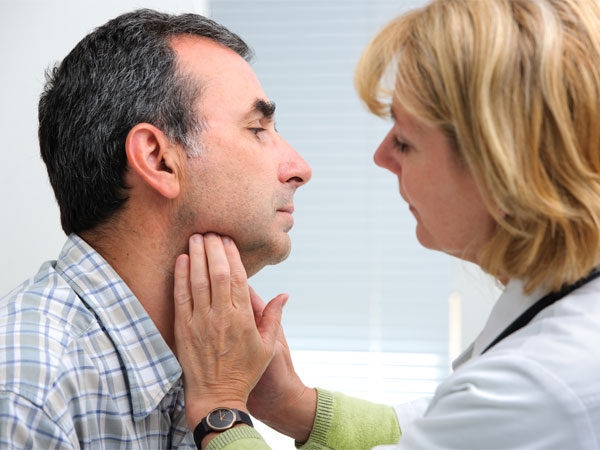
The most common symptom of HL is one or more swollen or enlarged lymph nodes, which are usually painless. Other possible symptoms may include:10
Another group of symptoms, known as B symptoms, helps doctors further understand how advanced HL may be when making a diagnosis. B symptoms include:10
You should keep in mind that many of the symptoms of HL are the same as those of other diseases, many of which are less serious. Visit your doctor if you have any symptoms that concern you.10
Doctors use several diagnostic tests to confirm the presence of Hodgkin lymphoma. Generally, the process begins with a discussion of your medical history, followed by a complete physical examination.11
A lymph node biopsy is always needed to confirm a Hodgkin lymphoma diagnosis. There are three types of biopsies that provide more information:12
After collecting a sample, a laboratory test known as immunophenotyping may help detect cancer cells by identifying specific proteins located on the surface of Reed-Sternberg cells.11,12
Imaging tests are also an important part of the diagnostic process. Your doctor may suggest:11
Doctors may recommend additional testing to help determine the extent of the disease and the suitability of specific treatments. For example, a bone marrow biopsy may be performed after diagnosis to see if there are any lymphoma cells in the bone marrow.11
Blood tests also help doctors determine how advanced Hodgkin lymphoma is and whether a person may be able to tolerate certain treatments.12 Blood tests usually include:11
In some cases, doctors suggest tests that measure heart and lung function, like electrocardiogram (ECG) or pulmonary function tests (PFTs), if certain chemotherapy medicines are part of the treatment plan.12 This is because some chemotherapy medications have side effects that may affect the heart or lungs.11
After making a positive diagnosis, your doctor will determine the stage of the cancer. The stage of a cancer describes how much cancer is in the body.13
Doctors use a system known as the Lugano classification system to stage Hodgkin lymphoma. The system has four stages:13
Other information, such as the presence of B symptoms, further help doctors stage Hodgkin lymphoma. Generally, if a person has B symptoms, the disease is more advanced, and its stage receives a B designation (for example, stage IB). If no B symptoms exist, the disease receives an A designation.13
It’s also important to know whether Hodgkin lymphoma is “bulky.” The term bulky refers to tumors in the chest that are at least one-third as wide as the chest. Or, doctors may use the term when tumors in other areas are at least 10 centimeters (about 4 inches) across. If HL is bulky, doctors usually label it with an X.13
Hodgkin lymphoma may also affect children, usually between the ages of 15 and 19 years old. The most common risk factors among children include:14,15
Symptoms of HL in children may include:14
The diagnostic and treatment processes are like those for adults. While a lymph node biopsy is the only way to definitively make a positive diagnosis, other diagnostic tests may be used, including blood tests with blood chemistry and CBC, and chest X-ray or CT scan.14
Doctors also use information from certain tests to stage the lymphoma. This means determining whether the cancer has spread outside the lymphatic system and, if so, how far. Staging tests may include a bone marrow biopsy, CT scan of the neck, chest, abdomen, or pelvis, or a PET scan.14
Treatment usually depends on several factors, including the child’s age, biological sex, and possible treatment side effects. Typical treatments for HL in children include chemotherapy, radiation therapy, immunotherapy, and stem cell transplant.14
There is no one treatment approach that works for everyone. Instead, treatment teams develop treatment plans according to your age, overall health, the type of Hodgkin lymphoma you have, the stage of the disease, and whether you have other medical conditions, like heart disease. However, treatment often consists of one or a combination of therapies, including chemotherapy, radiation therapy, and immunotherapy. In some cases, stem cell transplant is also appropriate.16,17
In most cases, chemotherapy for Hodgkin lymphoma consists of several powerful medications given in combination with each other to help kill cancer cells.18
Over the course of treatment, chemotherapy may cause side effects which may be unpleasant, such as hair loss, mouth sores, loss of appetite, nausea, fatigue, neuropathy, and easy bruising. It is common for doctors to periodically adjust chemotherapy regimens to help manage these side effects. In some cases, doctors switch medications; in others, they may start a new medication or discontinue an old one.18,19
This type of treatment uses high-energy particles (rays) to directly target and destroy cancer cells. If you have classic HL, you may receive radiation after finishing treatment with chemotherapy, especially if a large or bulky tumor is present. People with NHLPL may receive radiation by itself.20
Treatment typically consists of external beam radiation delivered several times a week (often five days) for several weeks. Each treatment only lasts a few minutes. Your doctor may recommend:20
Radiation therapy may result in side effects like fatigue, skin changes, dry mouth, and nausea.20
Immunotherapy uses medicines to harness the power of the body’s own immune system, helping it to better identify and destroy cancer cells.21
Monoclonal antibodies
Monoclonal antibodies are human-made versions of immune system proteins (antibodies) that attack specific targets inside the body. Patients receive these medicines intravenously (IV) on a regular schedule that depends on the medicine being used. Available monoclonal antibodies for HL includerituximab.21
Antibody-drug conjugates
A newer class of medications, antibody-drug conjugates (ADCs) couple a monoclonal antibody with a chemotherapy drug. The antibody brings the chemotherapy medicine directly to cancer cells with matching cell surface proteins. Available ADCs for HL include brentuximab vedotin.21,22
Checkpoint inhibitors
Doctors also prescribe immune checkpoint inhibitors for those with Hodgkin lymphoma. These medications prevent cancer cells from “turning on” or “turning off” specific “checkpoint” proteins that prompt an immune system response. Patients usually receive immune checkpoint inhibitors through an IV infusion every two, three, or six weeks. Available checkpoint inhibitors for HL include nivolumab and pembrolizumab.21
In some cases, standard treatments, such as chemotherapy or radiation therapy, don’t make Hodgkin lymphoma go away completely. If this occurs, doctors may suggest a stem cell transplant. There are two main types of stem cell transplants:23

Hodgkin lymphoma has the second highest cost per death, or lost productivity cost, following malignant melanoma.24 Additionally, people diagnosed with HL in childhood may experience physical side effects which may make normal functioning difficult. Emotional and psychological issues are also common in childhood HL survivors.25
A 2018 study also suggests how economically impactful a Hodgkin lymphoma diagnosis can be. The research indicates that people with HL who do not have success with first-line therapies use substantially more healthcare resources compared to those for which first-line treatments are successful. Over five years, patients undergoing at least two lines of treatment were expected to incur approximately $535,846 in healthcare costs.26
Lymphoma is a type of cancer that develops inside the body’s lymphatic system. Hodgkin lymphoma is one of two main types of lymphoma—the other is non-Hodgkin lymphoma.1
This type of lymphatic system cancer is characterized by the presence of Reed-Sternberg cells in laboratory samples.2
The most common HL symptom is one or more swollen, usually painless lymph nodes in the neck, upper chest, armpit, abdomen, or groin. Other common symptoms include:10
No, it is not possible to catch HL from another person.3
Fortunately, Hodgkin lymphoma is a treatable and curable type of lymphoma with current therapies.3
There is currently no widely recommended screening test for Hodgkin lymphoma.27
After collecting your medical history and completing a physical examination, your doctor will use several tests to make an accurate diagnosis. These tests may include imaging tests like a PET-CT scan or X-ray. You may also have a biopsy of the suspected cancerous lymph node. A lymph node biopsy is the only way to confirm a Hodgkin lymphoma diagnosis.11
After receiving a diagnosis, your care team—which consists of clinicians from hematology and oncology—will develop a treatment plan based on several factors: your age and overall health, the stage of HL, and any other coexisting diseases or conditions. Treatments usually include some combination of chemotherapy, radiation therapy, or immunotherapy.11,16,17 Stem cell transplant may help people with hard-to-treat HL.21
Find the answer to this question and ask more at Health Answers by Pfizer.

Find a Pfizer trial for Hodgkin lymphoma at PfizerClinicalTrials.com
Explore Hodgkin lymphoma clinical trials at ClinicalTrials.gov
Area of Focus: Oncology
Hodgkin Lymphoma is a focus area for Pfizer Oncology. To learn more about how we’re accelerating breakthroughs to outdo cancer, visit the Oncology page.
Find resources for those living with cancer and their caregivers at This is Living with Cancer.
The information contained on this page is provided for your general information only. It is not intended as a substitute for seeking medical advice from a healthcare provider. Pfizer is not in the business of providing medical advice and does not engage in the practice of medicine. Pfizer under no circumstances recommends particular treatments for specific individuals and in all cases recommends consulting a physician or healthcare center before pursuing any course of treatment.