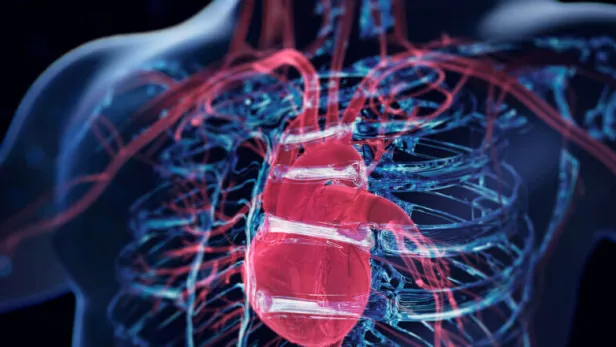

Every time we think, sense, breathe, or move, our nervous system is relaying signals from our brain throughout our bodies via microscopic cells called neurons.1 These nerve cells are the foundation of our nervous system, which includes the brain and spinal cord.2
When someone has a neurological condition, also called a neurological disease or nervous system disease, something disrupts the nervous system’s function and coordination of brain and body. As a result, a person may face challenging symptoms such as movement problems, difficulty communicating, and memory trouble.2
What are neurological conditions?
Research suggests that a growing number of people in the U.S. have neurological conditions.3 The hundreds of known neurological conditions have different causes and effects on the body.2
For example, injuries to the nervous system and infections from certain viruses, bacteria, and parasites can cause neurological problems.2,4 Other neurological conditions may stem from genetic mutations. Sometimes, neurological conditions arise because the nervous system does not develop properly, and some disorders may develop as a person ages and nerve cells deteriorate.2
Common causes of neurological conditions include:
- Stroke2
- Damage to the brain or spinal cord2
- Cancer2
- Seizure2
- Aging5
How do neurological conditions affect the body?
Neurological conditions can affect how a person learns, talks, thinks, moves , breathes, and swallows. They can even alter someone’s mood, senses, and memory.2
Symptoms vary among the more than 600 neurological conditions.2 Some symptoms associated with different neurological diseases include:
- Headache with nausea, light sensitivity, or vomiting6
- Blurry or double vision7
- Weak muscles7
- Numb or tingling limbs7
- Feeling tired mentally or physically7
- Trouble thinking7
- Seizures8
- Difficulty moving or controlling muscles7,8
- References
- What are the parts of the nervous system? National Institute of Child Health and Human Development.
- Neurologic diseases. Medline Plus. https://medlineplus.gov/neurologicdiseases.html. Updated September 29, 2014. Accessed May15, 2023.
- GBD 2017 US Neurological Disorders Collaborators, Feigin VL, Vos T, et al. Burden of neurological disorders across the US from 1990-2017: A global burden of disease study. JAMA Neurol. 2021;78(2):165.c
- Mental health: neurological disorders. World Health Organization. https://www.who.int/news-room/questions-and-answers/item/mental-health-neurological-disorders. Published May 3, 2016. Accessed May 15, 2023.
- Aging changes in the nervous system. Medline Plus. https://medlineplus.gov/ency/article/004023.htm. Accessed May 15, 2023.
- Migraine. National Institute of Neurological Disorders and Stroke. https://www.ninds.nih.gov/health-information/disorders/migraine. Updated January 20, 2023. Accessed May 15, 2023.
- Multiple sclerosis. National Institute of Neurological Disorders and Stroke. https://www.ninds.nih.gov/health-information/disorders/multiple-sclerosis. Updated January 23, 2023. Accessed May 15, 2023.
- Epilepsy and seizures. National Institute of Neurological Disorders and Stroke. https://www.ninds.nih.gov/health-information/disorders/epilepsy-and-seizures. Updated April 6, 2023. Accessed May 15, 2023.

Related Articles