
As Colorectal Cancer Rises in Younger Populations, Research and Education is More Important than Ever
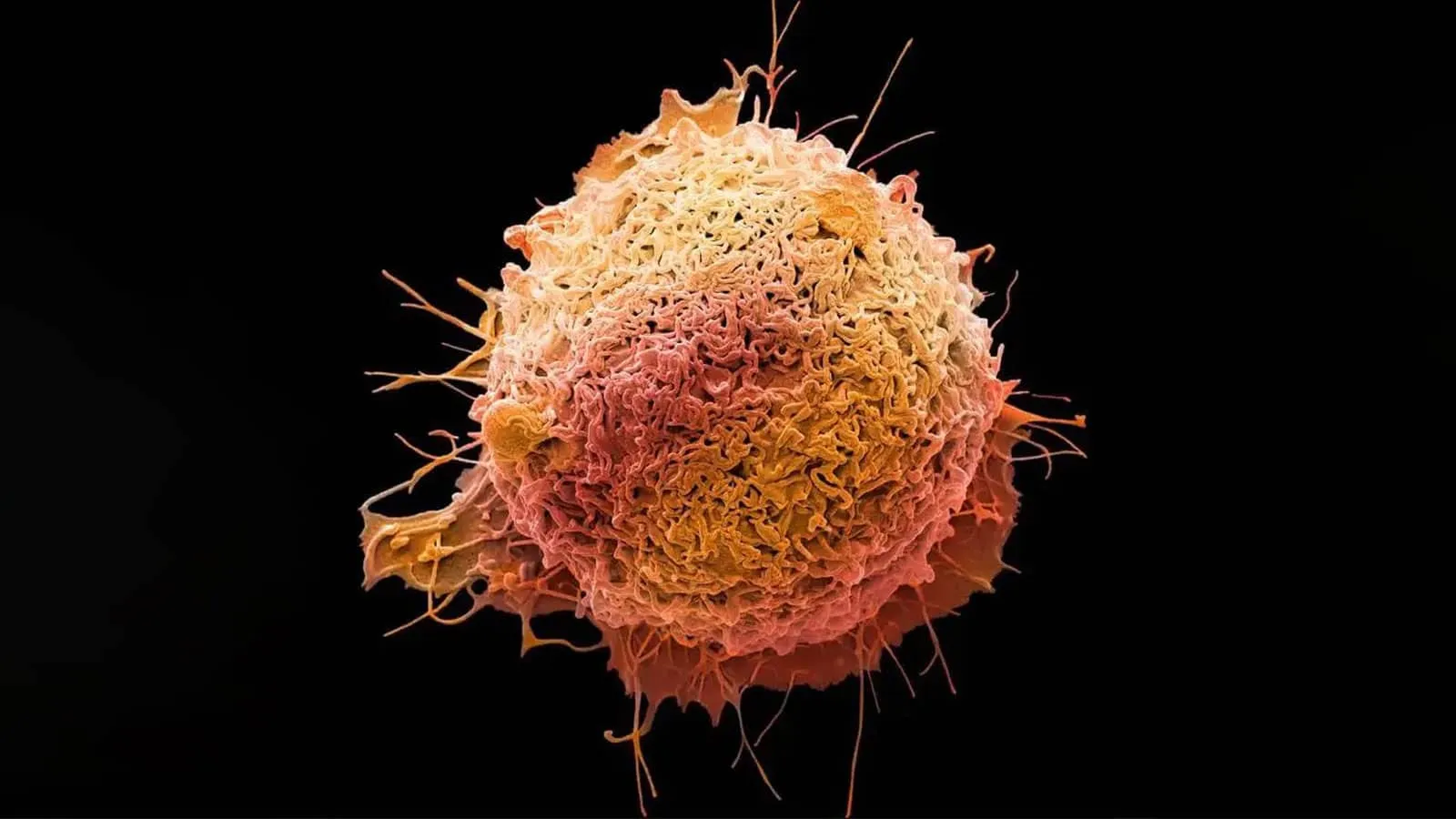
At one time, colorectal cancer was a disease associated with older adults. Now, it’s considered the most deadly cancer in people younger than 50.1
Even as deaths from the other most common cancers (breast cancer, lung cancer, brain cancer and leukemia) have fallen by 44% over a 30-year-period, according to the American Cancer Society, colorectal cancer deaths have increased 1.1% per year in younger people since 2005.1 It’s a development that’s alarming—and mystifying—healthcare providers and researchers.
Pfizer recently featured Johanna Bendell, M.D, Chief Development Officer of Oncology, on its podcast, “Science Will Win,” and she shared her experience as a gastrointestinal oncology specialist.
“During my career, I saw more and more patients coming to me who were younger, who were diagnosed with colorectal cancer,” says Dr. Bendell.
Global efforts are focusing on better understanding colorectal cancer, both in younger adults and older adults. Today, thanks to advancements in treatments, changes in screening guidelines and evolving research, the prognosis on colorectal cancer may be shifting, and offering more hope along the way.
Advances in Targeted Therapy May Impact Outcomes
Among young and old populations, colorectal cancer is the third most common type of cancer in the world, with approximately 1.8 million new diagnoses in 2022.2 It is the second leading cause of cancer-related deaths.2,3 As scientists work to change that, one area of advancement is in biomarker testing and precision medicine, which may offer new treatment options for patients with colorectal cancer that has metastasized and is difficult to treat. In 20% of colorectal cancer diagnoses, the disease has already spread, and up to 50% of patients with localized disease eventually develop metastases.4 In some cases, genetic mutations, such as KRAS, BRAF, PIK3CA and TP53, play a role in regulating cell proliferation, among other factors. Precision medicine, which is tailored to a person’s specific genetic traits, including mutations, can monitor how tumors progress, which may inform therapy selection and how therapy can be adjusted.5
As an example, one specific type of mutation, called the BRAF V600E mutation, occurs in 8% to 12% of cases of colorectal cancer that have metastasized, and represents a poor prognosis for the patients, who are twice as likely to die from their cancer compared to those with no known mutation.6,7 Historically, treatment options have been limited when it comes to this mutation. But new research is showing that targeted therapy regimens for this type of mutation may have the potential to help stop the progression of the cancer and extend the lives of some patients.
Across the field of precision medicine, insights about other mutations, whether it’s the BRAF mutation or KRAS mutations, which are found in about 40% of colorectal cancer cases, are enabling doctors to make informed decisions about which targeted treatment options to pursue, and, importantly, what types of treatments have been proven ineffective with regard to specific mutations.5
Pfizer continues to investigate ways to target certain genetic mutations and help slow the disease and currently has several potential therapies in various stages of research.
Shifts in Screening Guidelines May Be Saving Lives
In 2025, a study by the American Cancer Society found that diagnoses of localized colorectal cancer increased dramatically in adults ages 45 to 49, including a 50% relative increase between 2021 and 2022. While that increase may sound alarming at first blush, it may actually be a positive development, because it’s likely a result of a change in screening recommendations, which now recommend that people get screened for colorectal cancer at age 45 instead of age 50. As a result of those changes, more young people were screened for colorectal cancer, which allowed for the cancer to be detected earlier.8
Identifying Signs and Symptoms of Early-Onset Colorectal Cancer
As this kind of cancer becomes more common in the younger population, researchers are learning about the signs and symptoms associated with the condition, which may differ from the experience of older adults. In a study supported in part by the National Cancer Institute, a team of researchers analyzed data on more than 5,000 people diagnosed with early-onset colorectal cancer and 22,000 people without cancer and identified four signs that those with cancer were more likely to report, including abdominal pain, rectal bleeding, diarrhea and iron deficiency anemia. Simply having one of these signs (anywhere from 3 months to 2 years prior) made a patient twice as likely to be diagnosed with this kind of cancer; having three or more signs made them six times as likely to be diagnosed. Insights like these can help educate the public, as well as primary care providers, so that they know when screening might be appropriate in young adults.9
A New Era of Hope
As scientific discovery and awareness accelerate, experts hope to turn the tide on colorectal cancer. To get there, everyone must play a role. Patients must pay attention to possible signs and symptoms, advocate for themselves and schedule screenings; clinicians must educate patients on cancer risks and emphasize the importance of screening; and scientists must continue developing treatments that help extend lives.
As the landscape shifts, Dr. Bendell is excited about the possibilities. “Treatments are changing,” says Dr. Bendell, during the “Science Will Win” interview. “There's so much happening in the cancer discovery world now that we're getting so much better at not only catching patients’ cancers early, but we're also good at taking an individual patient's cancer and understanding specifically what makes that cancer tick.”