Article
Featured Articles
Read our latest stories on the people and scientific innovations making a difference in patients’ lives.

Five Steps to Prioritize Your Health in 2025
Here at Pfizer, we have a long history of innovation. Over our 176 years (and counting), our doctors and scientists have been at the forefront of some of the most impactful developments in the healthcare field. We aren’t leaving the business of making breakthroughs for our patients anytime soon, but we know that no one is better equipped to manage their own healthcare than our patients themselves.So, as we make our way into 2025, we want to make sure you’re doing what you can to ensure a healthy...
December Social Media Round-Up—Forbes America’s Dream Employers, ASH and SABCS 2024, and More
Welcome to 2025! We’re excited to look back on our latest social media highlights from December as we plunge headfirst into the new year.CEO Albert Bourla looked to the future by sharing Pfizer’s goals and continued commitment to making a difference in patients’ lives. Our leadership team conveyed a similar message, from reflecting on Pfizer’s contributions to blood disorder and breast cancer research presented at the American Society of Hematology Annual Meeting and the San Antonio Breast...

November Social Media Round-Up—Access to Medicine Foundation Index, Fortune’s 100 Most Powerful People in Business, and More
The year may be winding down, but Pfizer stayed busy on social media throughout November.CEO Albert Bourla celebrated the company’s fourth place ranking in the 2024 Access to Medicine Foundation Index—moving up two spots from the previous year—while Bourla himself was recognized in Fortune’s inaugural 100 Most Powerful People in Business. The CEO also proudly announced current Chief Oncology Officer Chris Boshoff’s ascension into the role of Chief Scientific Officer and President, R&D effective...

Why Real-World Learnings Matter for People with Breast Cancer
When people understand basic concepts about their health, they’re better able to make more informed decisions. That’s why we are working to improve health literacy, clarify the language that we use around health topics, and return clinical trials data to participants.A breast cancer diagnosis is life-changing; many people facing this diagnosis look to gather as much information about their prognosis and treatment options as possible. We know it’s not enough for us to simply develop breakthrough...
October Social Media Round-Up—Change the Odds, Forbes 2024 World’s Best Employers, and More
October was another eventful month here at Pfizer, and the evidence is all over our social media feeds.CEO Albert Bourla closed out October by celebrating Pfizer’s strong Q3 earnings report, but that wasn’t all the good news we shared. Bourla also shined a spotlight on our one billionth dose of pneumococcal vaccine, while his colleagues recognized the company’s inclusion in the Forbes’ 2024 list of World’s Best Employers, reflected on our partnerships with Patrick Dempsey and the American Cancer...

Patrick Dempsey, Pfizer and the American Cancer Society Team Up to “Change the Odds” Against Cancer
For award-winning actor and cancer community advocate Patrick Dempsey, working to help make sure everyone has the same opportunity to prevent, detect and treat cancer is deeply personal. Being by his mother’s side during her 17-year journey with ovarian cancer, Patrick experienced the profound impact that a cancer diagnosis can have on both a patient and their family. It was this experience that led him to create The Dempsey Center, a non-profit which offers a space where people navigating...
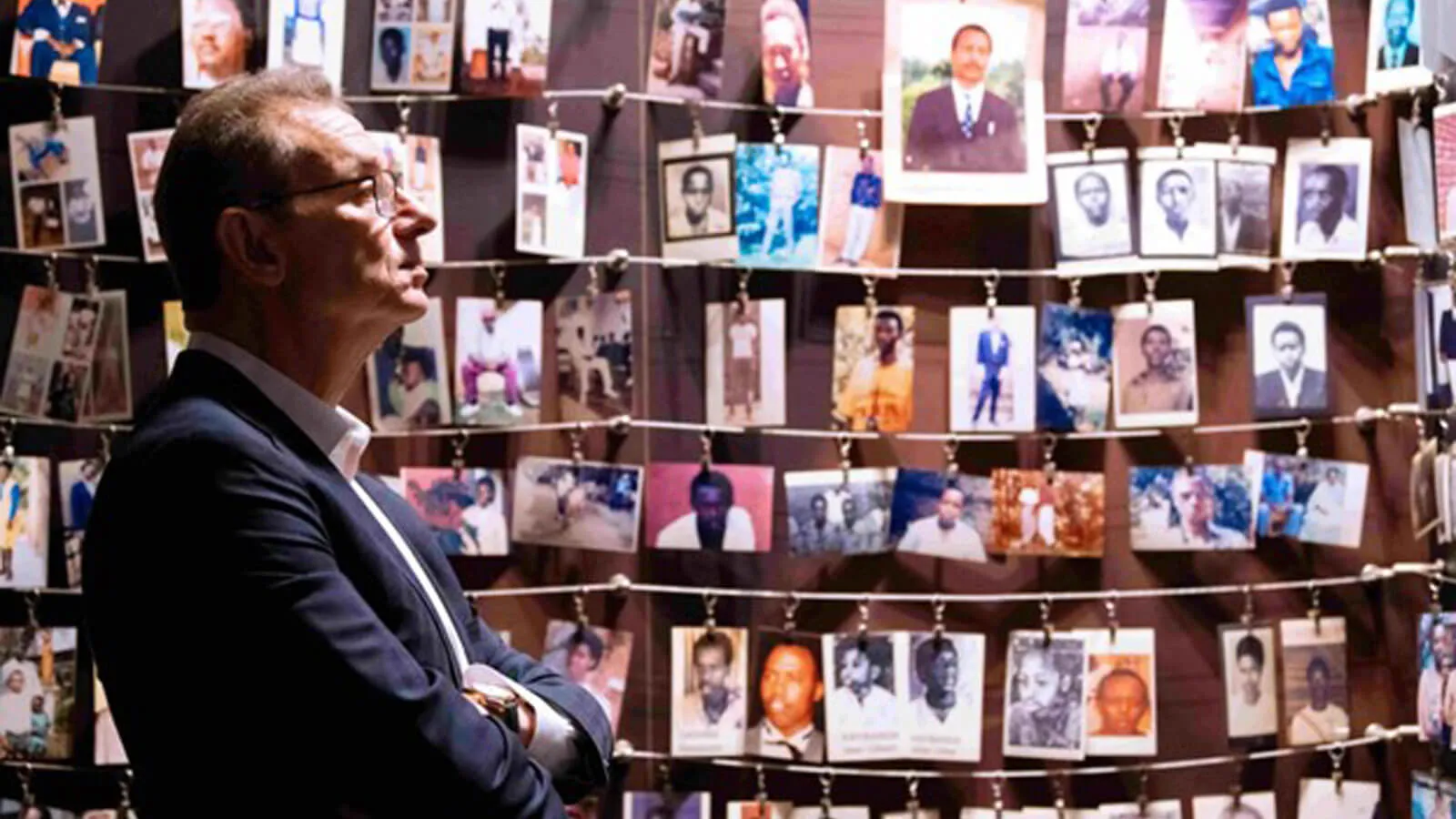
September Social Media Round-Up—Health Equity, Digital Hackathon, and More
Pfizer kicked off back-to-school season with another eventful month. In September, CEO Albert Bourla met with passionate leaders working to advance health equity in Sub-Saharan Africa, we welcomed college students for a Digital Hackathon, Forbes recognized Pfizer as one of America’s Best Employers for Tech Workers, and so much more.Meanwhile, our corporate social channels have been highlighting the latest data from our cancer research, going behind the science of antibody-drug conjugates (ADCs)...
August Social Media Round-Up—the Summer Games, Girls Who Code, and More
Pfizer closed out the summer months with a splash. This August, our leadership highlighted the passion and dedication of Pfizer colleagues who participated or attended this summer’s games, recognized the hard work of the Pfizer Oncology team, and welcomed the next generation of talent through the Girls Who Code program.Take a moment to see what else our leadership has been up to then head over to our corporate social accounts where we showcase the Global Health Fellows program, shine a light on...

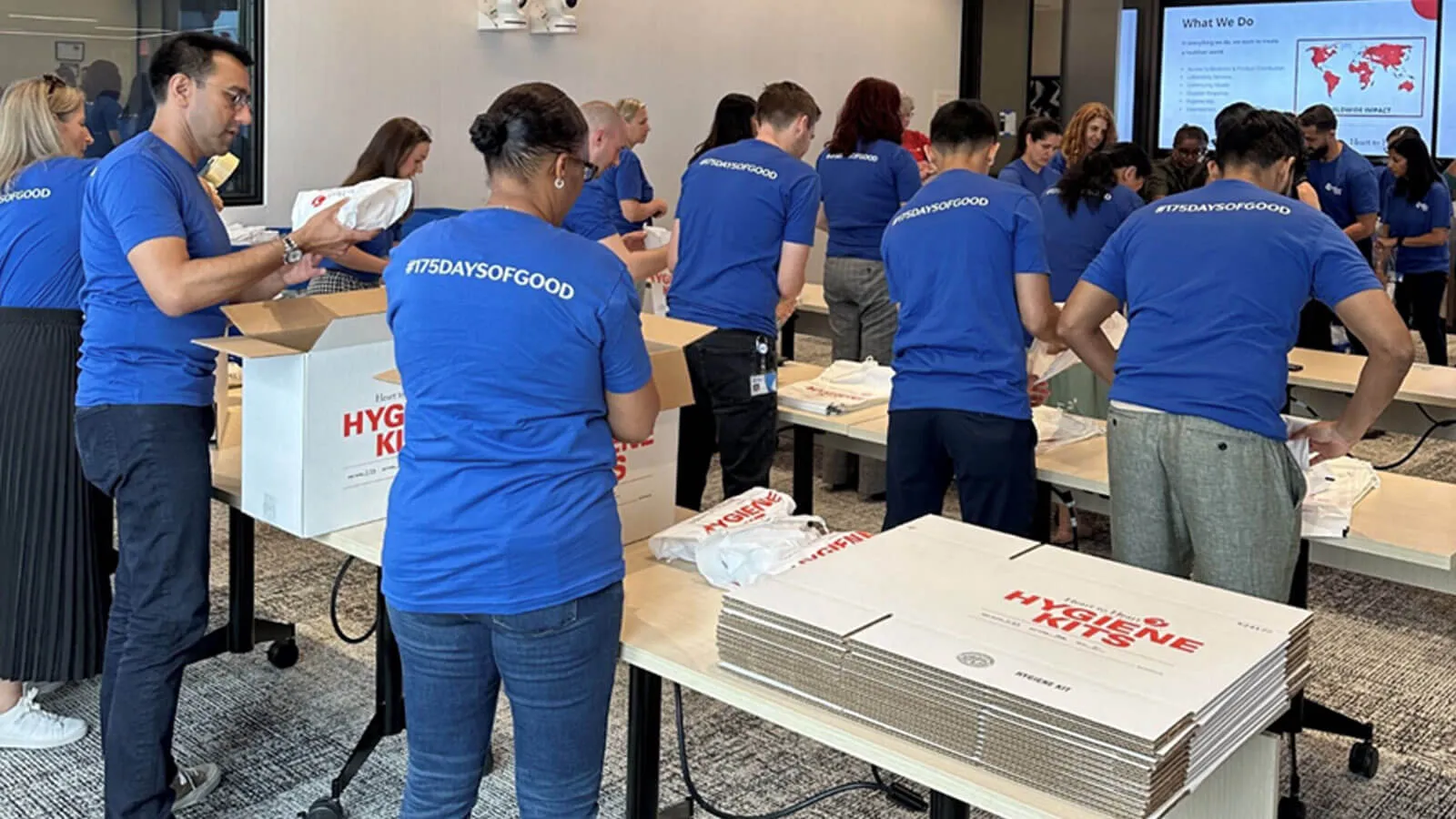
July Social Media Round-Up—Summer Interns, 175 Days of Good, and More
Pfizer jumped into the summer holidays with another eventful month. This July, we recognized the accomplishments of our leadership team, gave back to our communities by leading volunteer events for “175 Days of Good”, and shared positive results from various clinical trials.See what our leadership has been up to then catch up on our corporate social accounts where we shine a spotlight on Pfizer partners, colleagues, and communities.Stay tuned for more updates!Executive LeadershipCEO Albert...
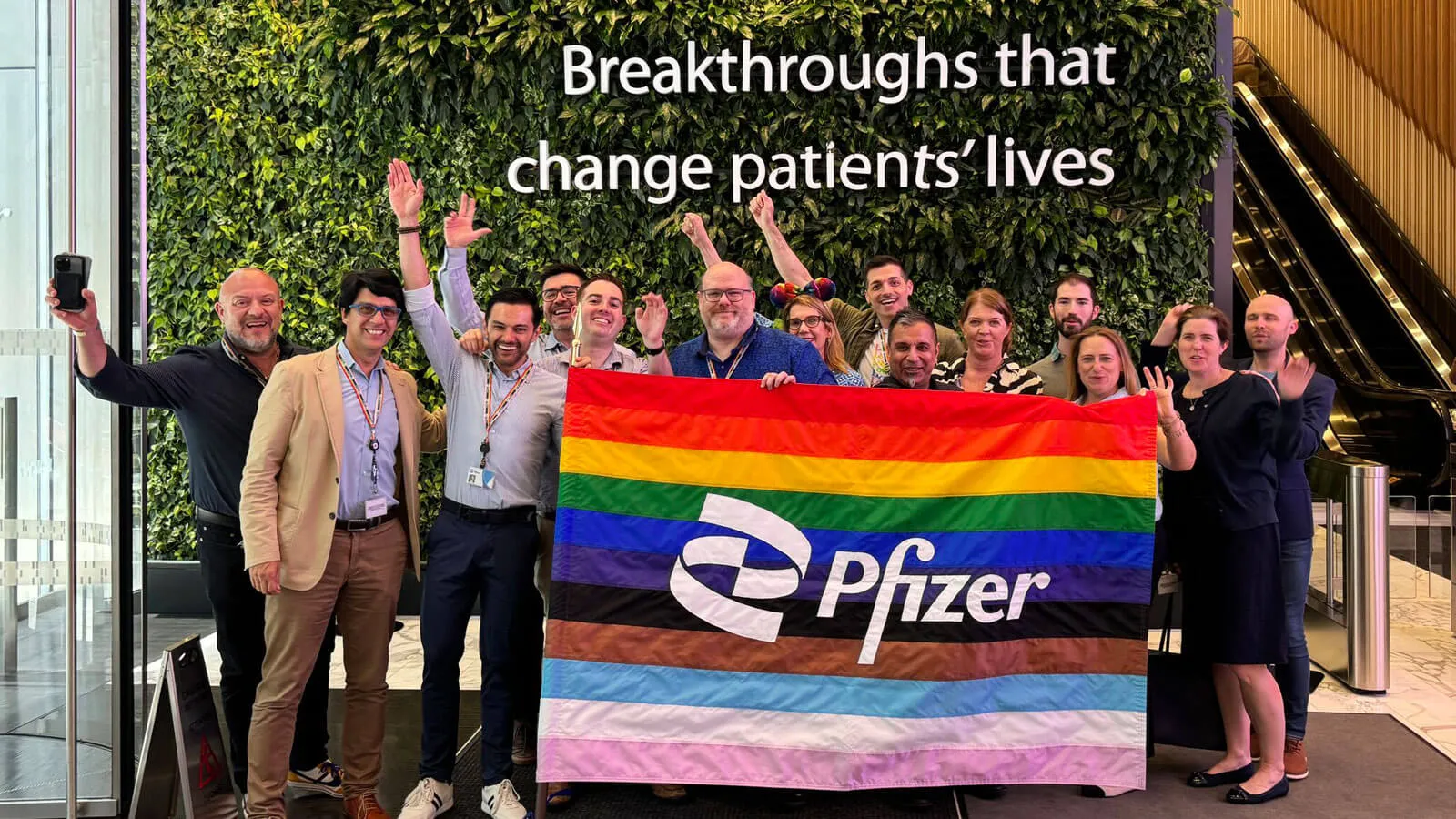
June Social Media Round-Up—Pride, 175, and “What’s in My Lab?”
Pfizer welcomed summer with another busy month. In June, our leadership reflected on Pfizer’s 175 years of history, celebrated Pride Month and Juneteenth, and supported Pfizer’s dedication to fighting cancer.Meanwhile our corporate social accounts showcased the accomplishments of Pfizer’s “Science Will Win” podcast, recognized our colleagues who organized Pride and Juneteenth events, and brought us along in a day in the life of a scientist.Check out our monthly round-up:Executive LeadershipCEO...
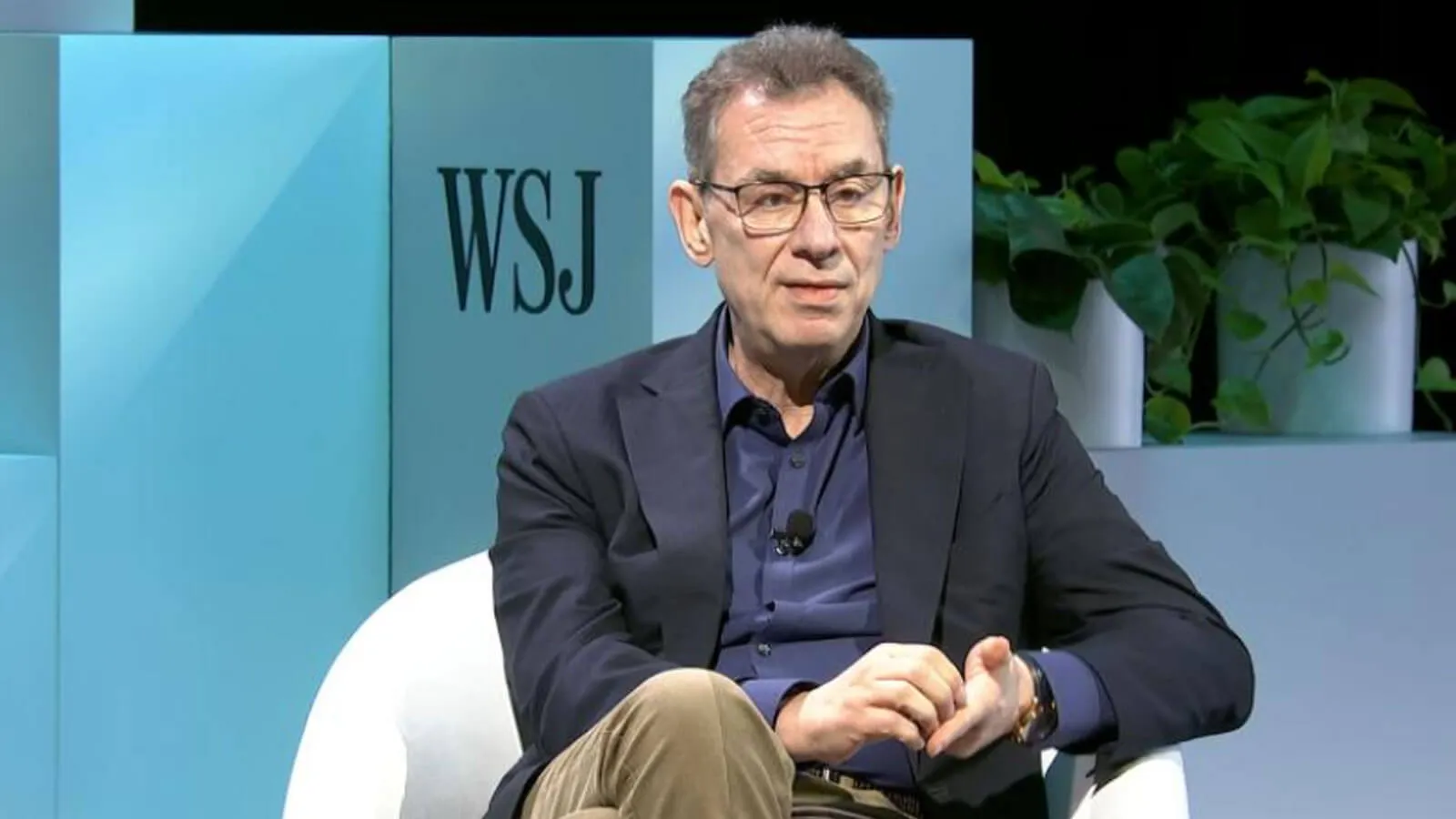
May Social Media Round-Up—Clinicals Trials Day, the TIME 100, and the Future of Cancer Care
The month of May not only brought flowers, but also noteworthy celebrations at Pfizer. We recognized the contributions of the Pfizer community and beyond, from the trailblazers that support clinical research to Pfizer teammates whose impact led to our inclusion on TIME’s top 100 companies list, including our CEO, who was named by TIME as one of the most influential people in the healthcare industry.Take a moment to catch up on social posts from our corporate channels – featuring a TikTok tour of...
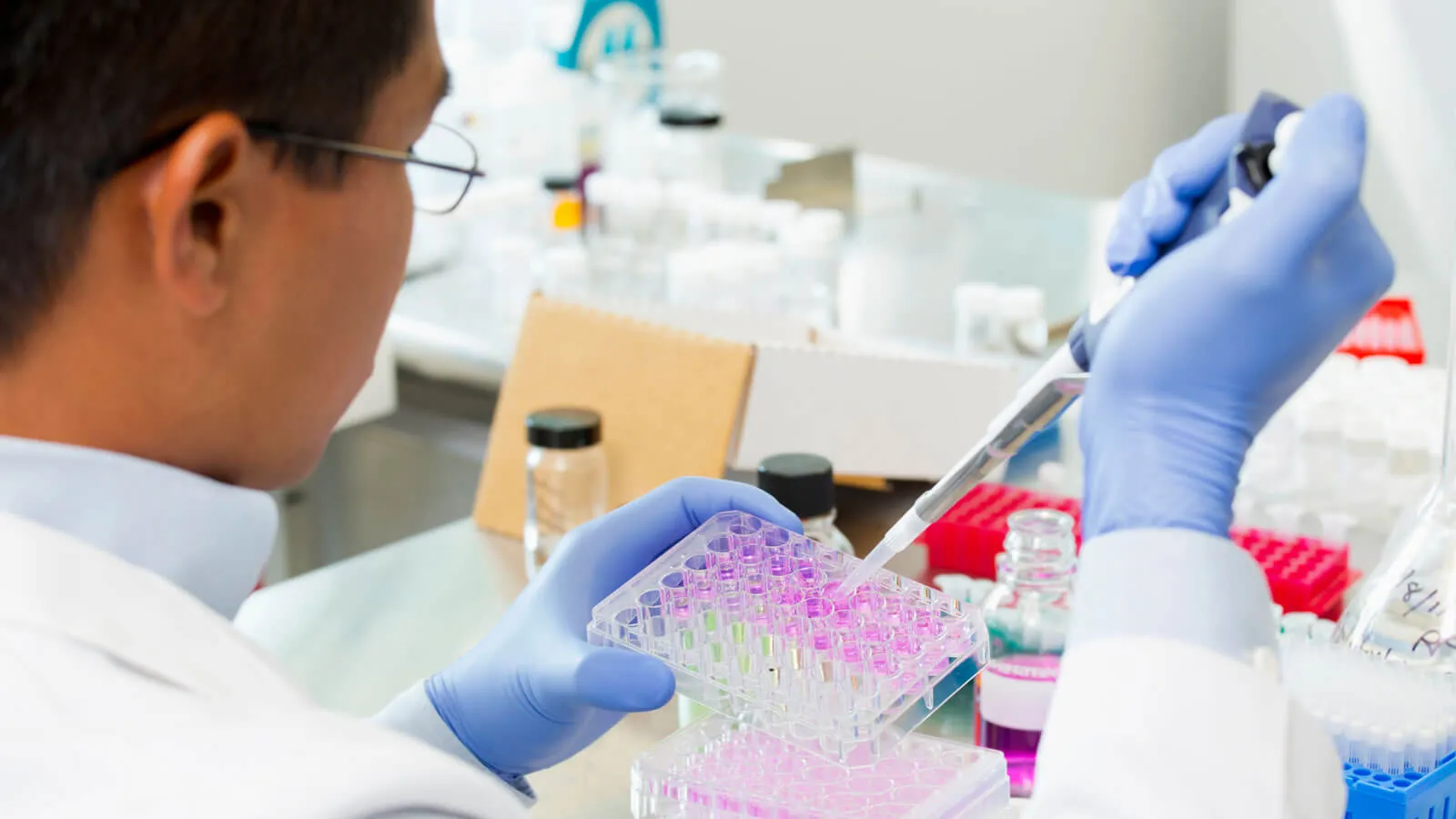
Pfizer Showcases New Data Across its Broadened Oncology Portfolio at ASCO Annual Meeting
With one in five people facing a cancer diagnosis in their lifetime, the disease touches everyone’s life in some way. If the numbers tell us anything, it’s that cancer isn’t slowing down – and neither is Pfizer. Pfizer has made significant investments to drive the next wave of treatment advances in cancer, creating a new Oncology organization with industry-leading scientific expertise, an expanded portfolio and the global scale to reach as many patients as quickly as possible. Pfizer scientists...
Media Resources & Contact Information
Anyone may view our press releases, press statements, and press kits. However, to ensure that customers, investors, and others receive the appropriate attention, Pfizer Media Contacts may only respond to calls and emails from professional journalists.