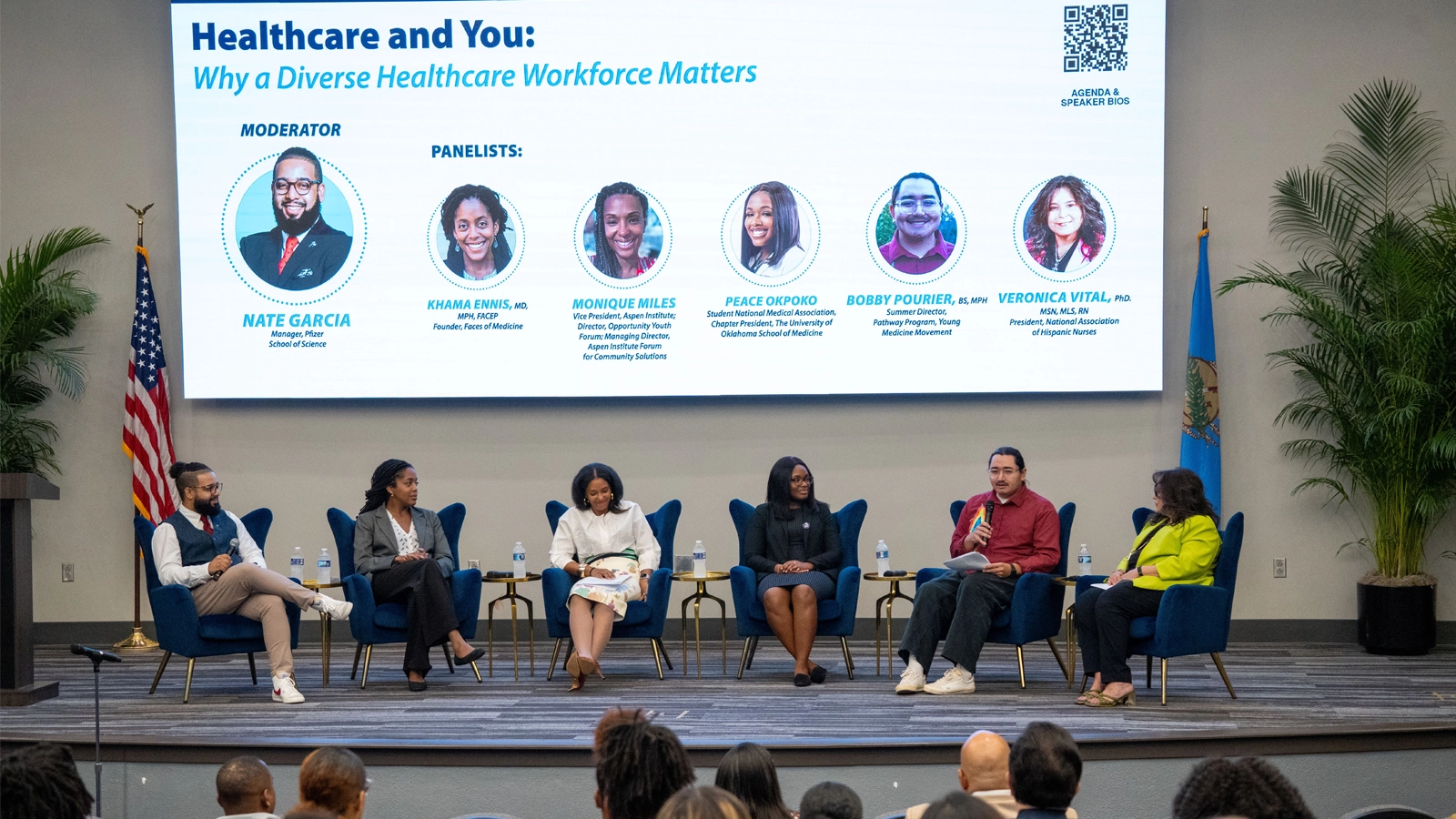
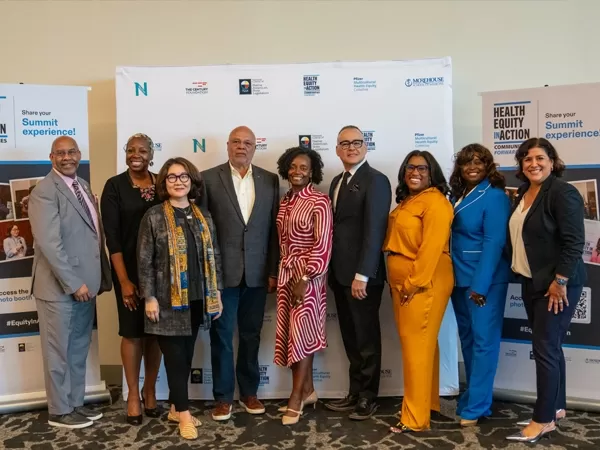
“We’re in a moment of unprecedented progress, an ever-expanding movement to achieve racial and health equity,” stated Dr. Gail Christopher, Executive Director of the National Collaborative for Health Equity, as she kicked off her keynote at the second Health Equity in Action Summit: Communities Forward.
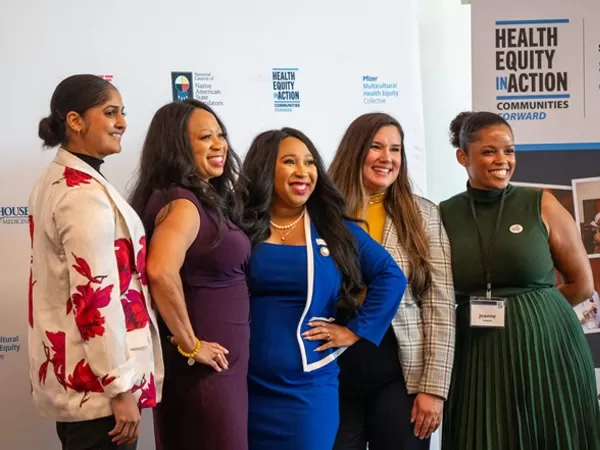
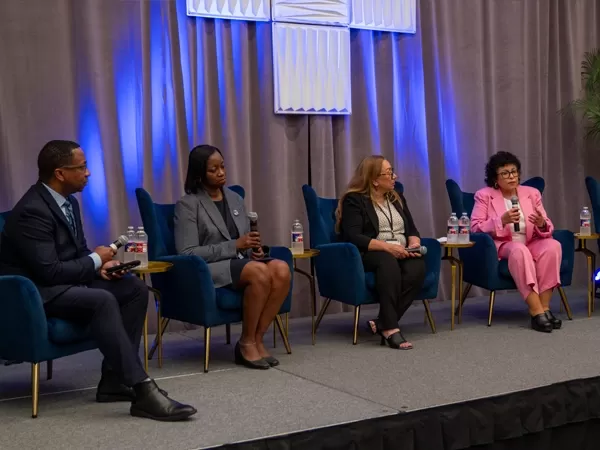
This two-day, hybrid event, held October 23-24, 2024, brought together a cross-sector of public health professionals, advocacy leaders, policymakers, and community-based organizations to learn from past programs, initiatives, and policies exposing existing gaps in the healthcare system and to help create sustainable solutions which seek to advance health equity for historically marginalized and underrepresented communities in the U.S.
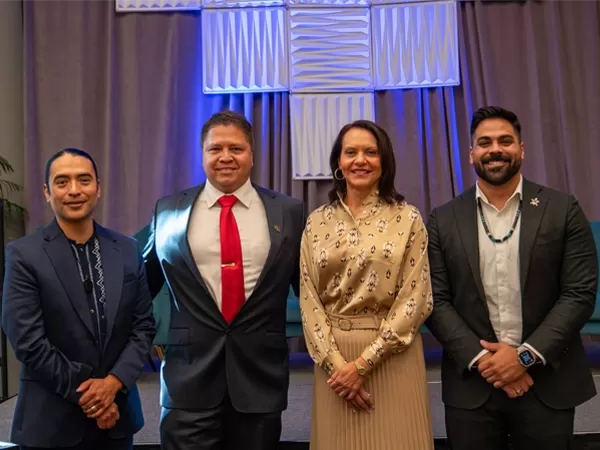
Convened by Pfizer’s Multicultural Health Equity Collective (The Collective), Morehouse School of Medicine, National Association of County and City Health Officials, the National Caucus of Native American State Legislators, and The Century Foundation, the Summit emphasized the importance of engaging the next generation of health leaders. It focused on the essential role of communities in addressing health inequities. Day 1 brought together students and health equity leaders to learn, mentor, and network. Day 2 focused on exploring community-led solutions and creating a space for health equity experts to share diverse perspectives.
The Summit was held in Oklahoma in part to elevate the voices of Native and Indigenous communities. Home to 39 sovereign tribal nations, comprising about 13 percent of Oklahoma’s population, Summit conveners acknowledged and honored the Indigenous communities, including leaders from the Cherokee and Osage nations, who welcomed this event on their land, Native and Indigenous communities were invited to share their stories and health equity challenges, contributing additional insight on systemic issues that affect underrepresented communities.
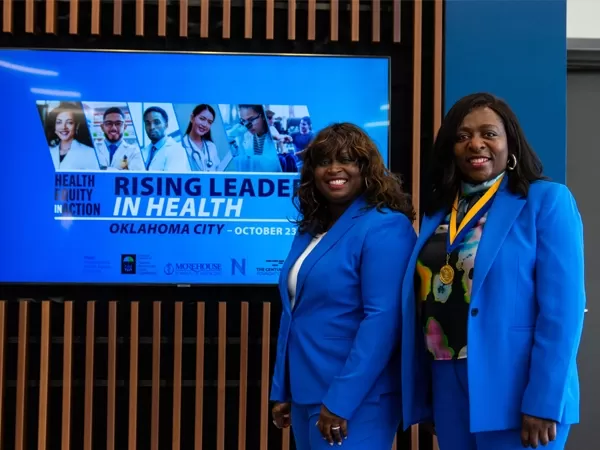
Rising Leaders in Health
Exposing students and young leaders from diverse backgrounds to careers in health is critical to help strengthen our healthcare system and creating a more representative workforce able to respond to patient needs. That is why the Summit hosted upper high school, college, and medical students to hear more from healthcare professionals about career pathways in health and foster mentorship opportunities.
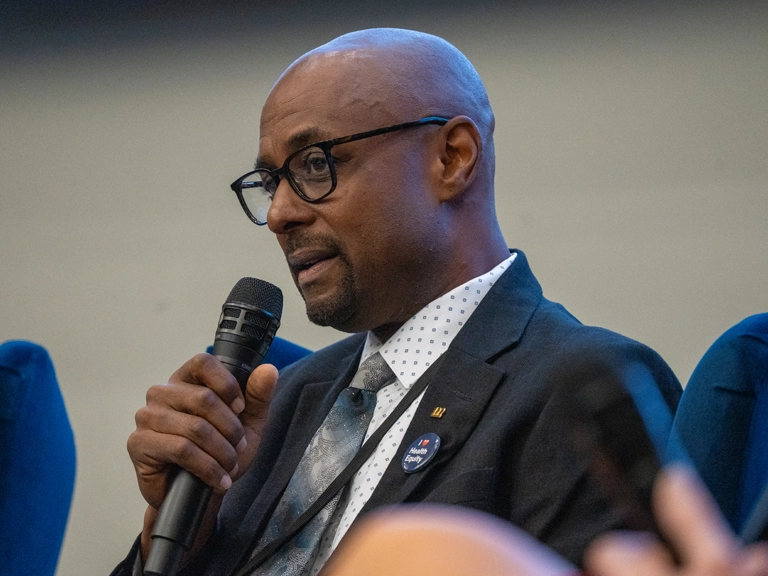
“Listen to that little voice in your mind, in your DNA, that tells you who you really are and who you can be. Always listen to that voice.”
— Dr. Eric Griggs, Vice Chair, 100 Black Men of America
“We all have a health equity story – you have one too, you may just not know it yet.”
— Michellene Davis, Esq., President & CEO, National Medical Fellowships
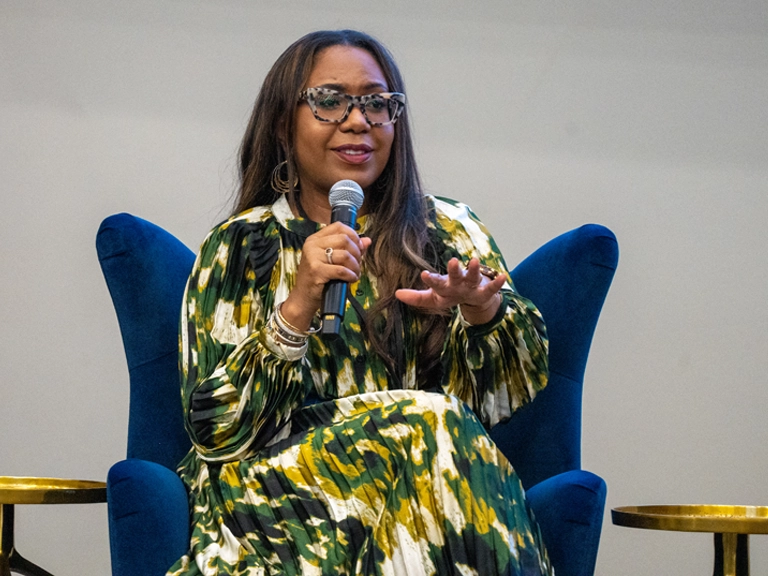
Communities Forward
While health disparities have persisted for decades, community-based organizations have been at the forefront of fostering change. The Summit conveners sought to uplift these organizations driving systemic change to help close gaps in care and improve access for communities most impacted by health inequities.
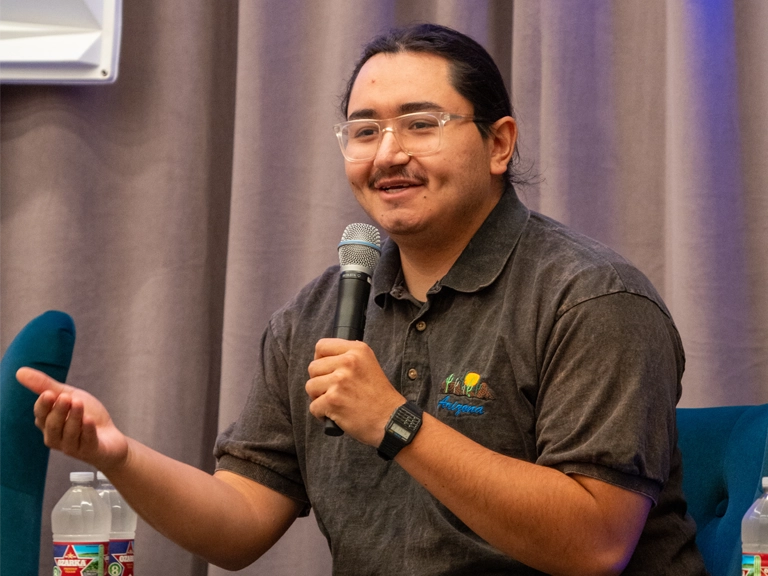
“It is my lifelong commitment and goal to be able to provide the home that I had to other communities and to other families on my reservation. That’s been my steering compass.”
— Bobby Pourier, Summer Director, Pathway Program, Young Medicine Movement
“Achieving our goal in health equity is complex and long-term. By continuing to work together, we can create change.”
— Melissa Bishop-Murphy, JD, Senior Director, State Government Relations, Pfizer
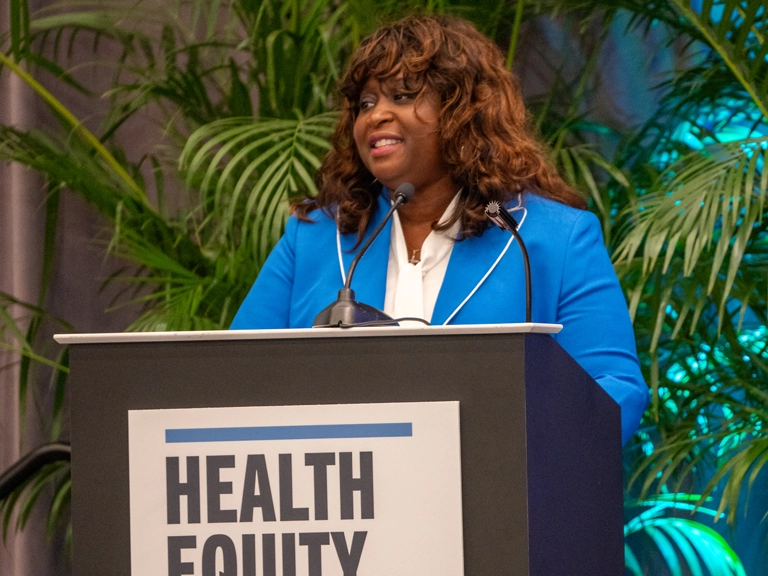
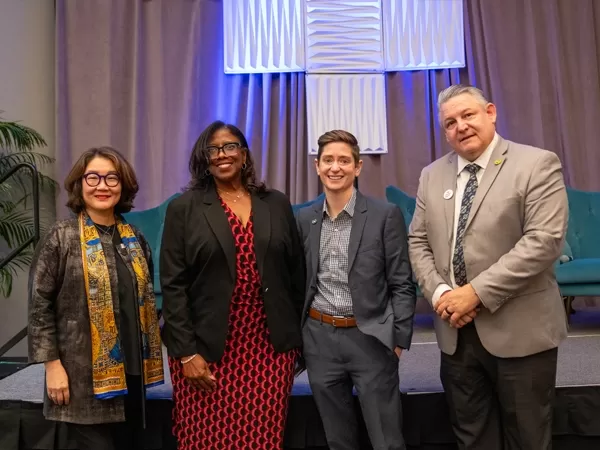
Cross-sector leaders from across the U.S. joined to collaborate and learn from one another. They shared knowledge around successful efforts, explored challenges and highlighted learnings to create meaningful change. Several themes emerged from the conversation, including:
- Addressing systemic racism in healthcare delivery: Health biases and systemic racism can insidiously infiltrate the health systems that are meant to serve communities equitably. Systemic racism can impact the quality of care provided. It must be actively recognized and dismantled from decision- and policy-making. This includes ensuring that historically marginalized and underserved communities are represented at all levels of decision making, and promoting culturally competent care, such as offering services in various languages and considering the impact of social determinants of health.
- Ensuring fair research and data practices: Data and AI have become major topics of discussion across industries and Summit attendees examined fair data collection and use, transparency in reporting, and the importance of eliminating bias from data systems and AI outputs. Integrating these methods into research and analysis ensures the accuracy of data to help understand community health and help tailor health programs to successfully treat diverse populations.
- Centering lived experiences in changing health policies. Healthcare research and data help influence lifechanging health policies. However, in a time of increased polarization, panelists reflected on the importance of going beyond the data and lifting community voices, both to improve programs and advocate for change. Regardless of industry or focus, health equity leaders in this work all agreed that incorporating community perspectives and elevating the voices of historically marginalized and underserved communities are necessary and powerful ways to help progress health equity.
- Fostering a diverse healthcare workforce: To encourage youth from historically marginalized communities to pursue a career in healthcare, there is a need to create a pipeline that reaches them at an earlier stage and provides preparation programs attuned to their needs. It is crucial to emphasize the importance of individual identity and background in shaping one’s experiences to create a stronger, more diverse workforce that can meet the needs of diverse patient populations.
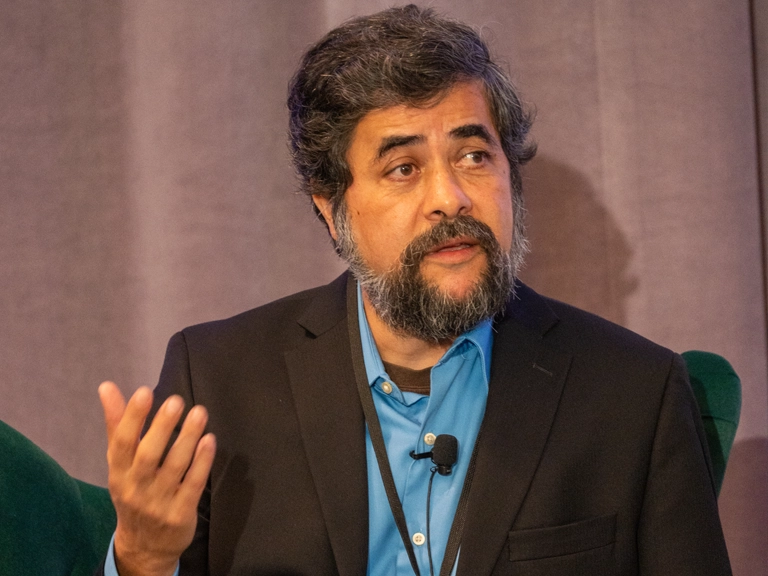
“Build a base that is rooted in the leadership and the wisdom of the people who are navigating that suffering.”
— Francisco (Pancho) Arguelles, Senior Director for Network and Power Building, The Praxis Project
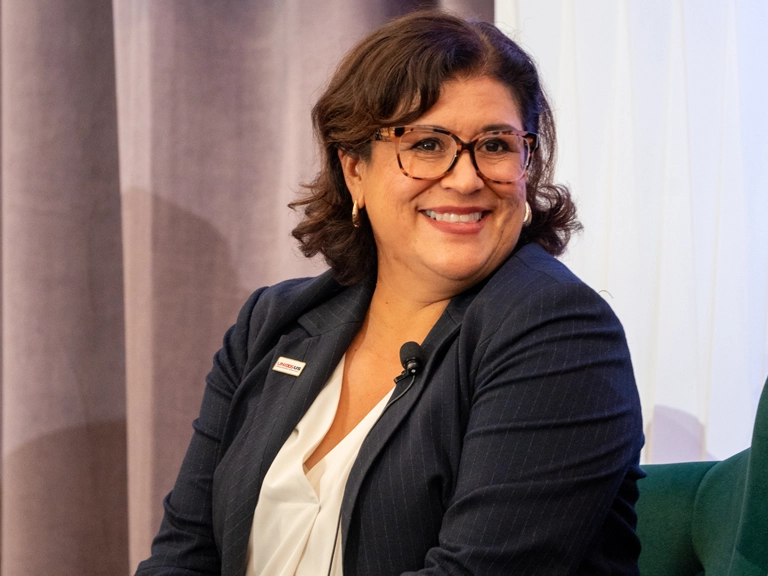
“Always lead and move at the speed of trust. Being authentic with your voice and being intentional is about having that equitable lens in every place that you have the privilege to speak.”
— Rita Carreón, Vice President for Health, UnidosUS
Moving forward, The Collective and its partners will continue these discussions and take actions that contribute to advancing health equity. Following the 2022 Health Equity in Action Summit, more than 30 partners and members of The Collective developed An Action Guide to Disrupt Inequitable Health Outcomes, a community-led tool that provides cases, actionable steps, and practical resources for all aiming to move the needle on health equity. This guide serves as a continued source of validation for what can be accomplished together. As a living document, attendees have discussed ways to build on the Action Guide, such as including new resources to help ensure that the increased use of AI does not widen the gap in health outcomes for marginalized communities.
The Collective continues to collaborate across sectors and help advance multi-generational, sustainable change. The 2024 Summit is just one step in the journey to help push forth health equity for all and sustain the community moving forward.
To continue Summit discussions, watch the session recordings here.
Related Topics:
- https://www.pfizer.com/news/articles/pfizers_multicultural_health_equity_collective_marks_10_years_of_progress
- https://www.pfizer.com/news/announcements/pfizer-awards-2m-nonprofit-organizations-addressing-systemic-health-inequities
- https://www.pfizer.com/about/responsibility/global-impact/multicultural-health-equity-collective
Direct Relief and The Pfizer Foundation Expand Support for Community Health Centers on the Front Lines of Infectious Disease Care
This spring, Direct Relief and The Pfizer Foundation announced the third cohort of the Innovation Awards in Community Health.
Direct Relief and The Pfizer Foundation Expand Support for Community Health Centers on the Front Lines of Infectious Disease Care
This spring, Direct Relief and The Pfizer Foundation announced the third cohort of the Innovation Awards in Community Health.

June Social Media Round-Up—2025 Impact Report, ADA 2026, and More
School is out for the summer, but Pfizer colleagues are still hard at work. Check out the June social media round up, where we share the latest updates and highlights.
June Social Media Round-Up—2025 Impact Report, ADA 2026, and More
School is out for the summer, but Pfizer colleagues are still hard at work. Check out the June social media round up, where we share the latest updates and highlights.
Pfizer's 2025 Impact Report Highlights Progress Across Patients, Planet, and Responsible Business
Here at Pfizer, we are in the business of breakthroughs, and while our focus is on making advancements that impact patients’ lives, we are also aware of our work’s broader impact on the world. Every year, we take stock of the impact our work has on the world, the environment, and people themselves in our Impact Report.
Pfizer's 2025 Impact Report Highlights Progress Across Patients, Planet, and Responsible Business
Here at Pfizer, we are in the business of breakthroughs, and while our focus is on making advancements that impact patients’ lives, we are also aware of our work’s broader impact on the world. Every year, we take stock of the impact our work has on the world, the environment, and people themselves in our Impact Report.
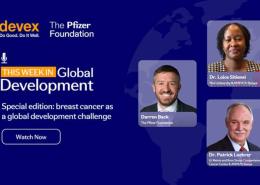
Podcast Highlights Pfizer Foundation’s Mission to Improve Breast Cancer Outcomes
For over 75 years, the Pfizer Foundation, a charitable organization, has worked toward the mission of helping build healthier communities around the world.
Podcast Highlights Pfizer Foundation’s Mission to Improve Breast Cancer Outcomes
For over 75 years, the Pfizer Foundation, a charitable organization, has worked toward the mission of helping build healthier communities around the world.

April Social Media Round-Up—Trailblazer Cancer Research Grants, World Health Day, and More
April has come to a close and we are barreling towards the summer. Before you head outside to enjoy spring, take a moment to catch up with Pfizer’s social channels, which have been on fire. Check out updates across our channels.
April Social Media Round-Up—Trailblazer Cancer Research Grants, World Health Day, and More
April has come to a close and we are barreling towards the summer. Before you head outside to enjoy spring, take a moment to catch up with Pfizer’s social channels, which have been on fire. Check out updates across our channels.
Direct Relief and The Pfizer Foundation Expand Support for Community Health Centers on the Front Lines of Infectious Disease Care
This spring, Direct Relief and The Pfizer Foundation announced the third cohort of the Innovation Awards in Community Health.
Direct Relief and The Pfizer Foundation Expand Support for Community Health Centers on the Front Lines of Infectious Disease Care
This spring, Direct Relief and The Pfizer Foundation announced the third cohort of the Innovation Awards in Community Health.
June Social Media Round-Up—2025 Impact Report, ADA 2026, and More
School is out for the summer, but Pfizer colleagues are still hard at work. Check out the June social media round up, where we share the latest updates and highlights.
June Social Media Round-Up—2025 Impact Report, ADA 2026, and More
School is out for the summer, but Pfizer colleagues are still hard at work. Check out the June social media round up, where we share the latest updates and highlights.
Pfizer's 2025 Impact Report Highlights Progress Across Patients, Planet, and Responsible Business
Here at Pfizer, we are in the business of breakthroughs, and while our focus is on making advancements that impact patients’ lives, we are also aware of our work’s broader impact on the world. Every year, we take stock of the impact our work has on the world, the environment, and people themselves in our Impact Report.
Pfizer's 2025 Impact Report Highlights Progress Across Patients, Planet, and Responsible Business
Here at Pfizer, we are in the business of breakthroughs, and while our focus is on making advancements that impact patients’ lives, we are also aware of our work’s broader impact on the world. Every year, we take stock of the impact our work has on the world, the environment, and people themselves in our Impact Report.
Podcast Highlights Pfizer Foundation’s Mission to Improve Breast Cancer Outcomes
For over 75 years, the Pfizer Foundation, a charitable organization, has worked toward the mission of helping build healthier communities around the world.
Podcast Highlights Pfizer Foundation’s Mission to Improve Breast Cancer Outcomes
For over 75 years, the Pfizer Foundation, a charitable organization, has worked toward the mission of helping build healthier communities around the world.
April Social Media Round-Up—Trailblazer Cancer Research Grants, World Health Day, and More
April has come to a close and we are barreling towards the summer. Before you head outside to enjoy spring, take a moment to catch up with Pfizer’s social channels, which have been on fire. Check out updates across our channels.
April Social Media Round-Up—Trailblazer Cancer Research Grants, World Health Day, and More
April has come to a close and we are barreling towards the summer. Before you head outside to enjoy spring, take a moment to catch up with Pfizer’s social channels, which have been on fire. Check out updates across our channels.