
You’ve Still Got It: Aging with Agency to Stay on Top of Your Health Year-Round

by Aamir Malik
Aamir Malik is Executive Vice President, Chief U.S. Commercial Officer, Pfizer Inc. and a member of Pfizer's Executive Leadership Team. Today, he writes about the importance of taking control of your health as you age, and shares advice from Leticia Acevedo, a North Carolina-based nursing professional and professor.
Nowadays, people are striving to live their best lives — traveling, dancing, learning new skills, and embracing life with energy and purpose — all the while showing us that they’ve still got it, regardless of how many calendar years have passed them by. Few embody this spirit better than Leticia Acevedo, EdD, MSN, RN, CCRN, a North Carolina-based nursing professional and professor who advocates for health education.
We connected with Leticia, who truly proves she’s “still got it,” to discuss how she balances doing what she loves with protecting her health. Our immune systems naturally weaken with age, and for her the key to maintaining that balance is simple: prevention.
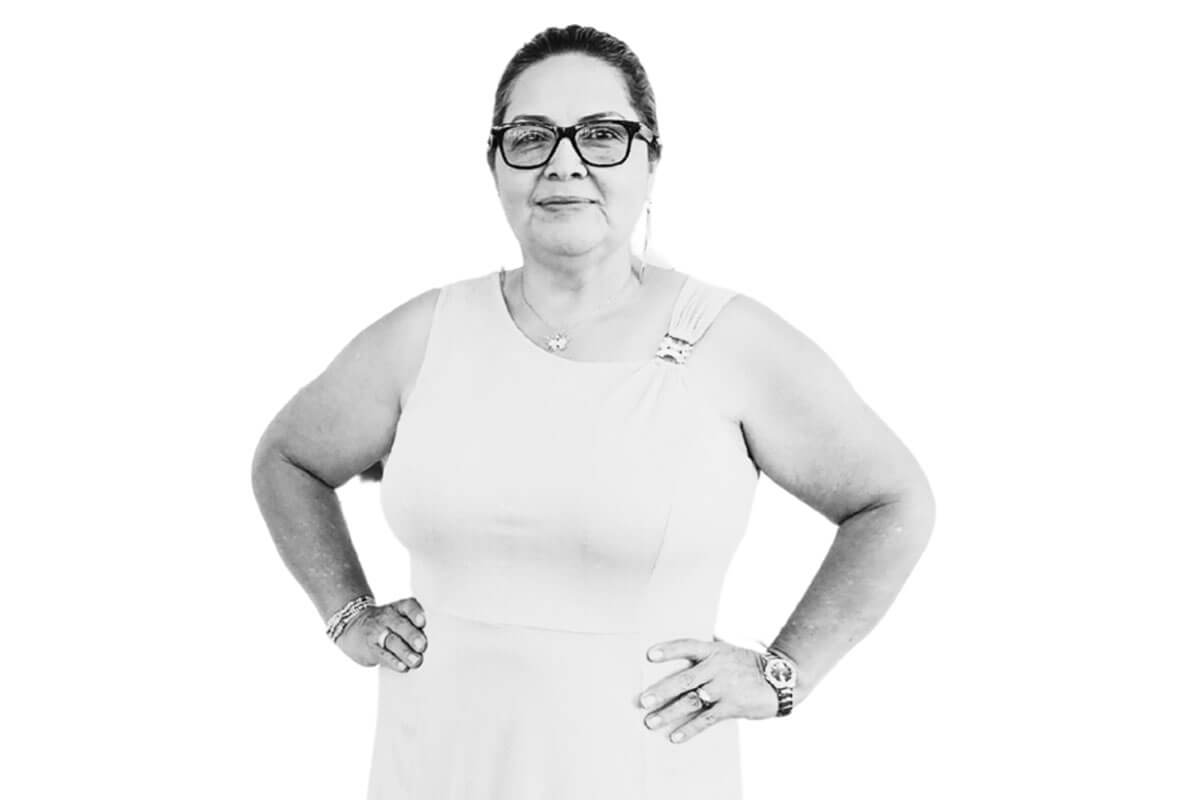
Leticia Acevedo, EdD, MSN, RN, CCRN
“Vaccines can help train and strengthen your immune response to certain infections and play a key role in aging with agency,” says Leticia. “It’s why staying up to date with vaccinations for flu, pneumococcal pneumonia, respiratory syncytial virus or RSV, and COVID-19 needs to be a priority for those who are eligible.”
What “aging with agency” really means
Aging with agency includes taking control of your health so you can keep doing the things you love. That means looking beyond how you feel today and taking steps to help protect yourself against infections tomorrow.
But that’s not always easy. The added challenge of misinformation leaves many people confused or afraid. As an active member of the National Association of Hispanic Nurses (NAHN), Leticia is working to change that by connecting directly with communities.
“A lot of people in the community are afraid that if they get the flu vaccine, for example, it will give them the flu,” says Leticia. “So, I always explain that the flu vaccine does not cause the flu because it does not contain live virus.”
The patient she will never forget
Leticia has seen first-hand the severity of flu and other respiratory illnesses, especially for older adults. Early in her career as a critical care nurse, she cared for a 78-year-old man who was admitted with the flu. After days on a ventilator, he pulled through and went home on oxygen, but his lung issues from years of smoking left him vulnerable. Two weeks later, he returned with RSV and sadly passed away.
“I’ll never forget. I often think of him and wonder whether he could have had a better outcome if RSV vaccination had been available,” she says.
Turning experience into advocacy
Stories like these are unfortunately far too common but need to be told so we can learn from them. People don’t understand how much impact vaccines can have until they get sick. That’s why Leticia dedicates her time to educating patients, medical students, and colleagues about the power of regular vaccinations, particularly for more vulnerable populations like older adults.
“We all want to be as healthy as we can be for as long as possible, so we can enjoy life to the fullest,” she says. “That starts with breaking through the misinformation and understanding the true value offered by preventive care, such as recommended vaccinations.”
Leticia’s work extends beyond the classroom and hospital. She facilitates programs in churches across North Carolina, educating communities on other topics, like diabetes and cardiac health. “We cover the whole state, if there was a need to go one place or the other, but mainly through our healthcare organizations we have been able to spread the information,” she says.
Staying in the game
The truth is, there’s never a good time to get sick but keeping up with recommended vaccines can help minimize disruptions to your life. By prioritizing preventive care, older adults can help take control of their health and help prevent certain respiratory illnesses. And keep showing that they've still got it.
As Leticia puts it: “We want to enjoy life to the fullest, and that means taking care of ourselves today so we can keep going tomorrow.”
I encourage everyone to talk to their doctor or pharmacist about which respiratory vaccines are right for them including safety and side effects to help them make informed decisions about their health — don’t wait, get started at our site VaxAssist.com today.