Not for Granted: Pediatric Immunization Through Experts’ Lens

New survey fielded by Excellence in Pediatrics Institute, with support from Pfizer, aims to uncover challenges and find solutions to gaps in pediatric vaccination rates in Europe


As the backbone of our modern healthcare systems, vaccines have helped protect eligible people around the world for centuries. But our ability to halt the potential harm caused by infectious disease is inherently tied to the immunization rates maintained by individual communities.
While the development and distribution of vaccines has made great strides, uptake and coverage rates across Europe still fall short of established targets. (NLM) These challenges have been long recognized and studied in underserved communities, but traditional public health models often overlook vaccination equity within established communities of mixed socioeconomic background.
As part of a multi-year collaboration, Pfizer and EIP set out to identify what’s driving variability in vaccination among members of these communities. By gathering perspectives from community health networks, this research aims to inform and help design effective public health strategies that enhance vaccination equity and coverage.
A quantitative, close-ended survey was distributed to pediatric HCPs to shed light on the complexities of pediatric vaccination hesitancy and low uptake rates.
A targeted mapping questionnaire was also distributed to leading experts and academics across multiple countries throughout Europe with the aim of devising strategies and developing materials for HCPs that help close the gaps.
198 responses were received between October 24 and December 15.
Findings revealed a significant problem lies within communities of mixed socioeconomic backgrounds where some individuals follow national immunization guidelines while others do not, even when seeing the same physicians. These individuals are described as “effectively underserved within their own environments.”
The argument parents do not vaccinate their children by conviction is oversimplified – it’s more complicated than that. While both vaccination refusal and adherence issues stem from parental decision-making, the underlying causes are diverse and complex.
Survey respondents cited potential guiding solutions to improve adherence to pediatric immunization. Top recommendations included:

A deep dive into real-world challenges and ideas for targeted public health strategies.

Visual overview of the most urgent findings from our stakeholder questionnaire.

A summary of what pediatricians can do to improve access and trust in primary care settings.

This spring, Direct Relief and The Pfizer Foundation announced the third cohort of the Innovation Awards in Community Health.
This spring, Direct Relief and The Pfizer Foundation announced the third cohort of the Innovation Awards in Community Health.

Scientific discoveries form the basis of every medical breakthrough. But transforming those discoveries into medicines that reach patients requires another kind of innovation: manufacturing.
Scientific discoveries form the basis of every medical breakthrough. But transforming those discoveries into medicines that reach patients requires another kind of innovation: manufacturing.
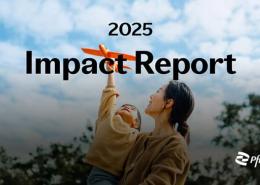
Here at Pfizer, we are in the business of breakthroughs, and while our focus is on making advancements that impact patients’ lives, we are also aware of our work’s broader impact on the world. Every year, we take stock of the impact our work has on the world, the environment, and people themselves in our Impact Report.
Here at Pfizer, we are in the business of breakthroughs, and while our focus is on making advancements that impact patients’ lives, we are also aware of our work’s broader impact on the world. Every year, we take stock of the impact our work has on the world, the environment, and people themselves in our Impact Report.

Dr. Nicole Kulisek shares her path from pediatric gastroenterologist to US Medical Affairs leader at Pfizer.
Dr. Nicole Kulisek shares her path from pediatric gastroenterologist to US Medical Affairs leader at Pfizer.

When scientists design a new vaccine candidate, they must also identify diagnostic tests that can be used to measure how effective that vaccine is.
When scientists design a new vaccine candidate, they must also identify diagnostic tests that can be used to measure how effective that vaccine is.
This spring, Direct Relief and The Pfizer Foundation announced the third cohort of the Innovation Awards in Community Health.
This spring, Direct Relief and The Pfizer Foundation announced the third cohort of the Innovation Awards in Community Health.
Scientific discoveries form the basis of every medical breakthrough. But transforming those discoveries into medicines that reach patients requires another kind of innovation: manufacturing.
Scientific discoveries form the basis of every medical breakthrough. But transforming those discoveries into medicines that reach patients requires another kind of innovation: manufacturing.
Here at Pfizer, we are in the business of breakthroughs, and while our focus is on making advancements that impact patients’ lives, we are also aware of our work’s broader impact on the world. Every year, we take stock of the impact our work has on the world, the environment, and people themselves in our Impact Report.
Here at Pfizer, we are in the business of breakthroughs, and while our focus is on making advancements that impact patients’ lives, we are also aware of our work’s broader impact on the world. Every year, we take stock of the impact our work has on the world, the environment, and people themselves in our Impact Report.
Dr. Nicole Kulisek shares her path from pediatric gastroenterologist to US Medical Affairs leader at Pfizer.
Dr. Nicole Kulisek shares her path from pediatric gastroenterologist to US Medical Affairs leader at Pfizer.
When scientists design a new vaccine candidate, they must also identify diagnostic tests that can be used to measure how effective that vaccine is.
When scientists design a new vaccine candidate, they must also identify diagnostic tests that can be used to measure how effective that vaccine is.