
Article
Featured Articles
Read our latest stories on the people and scientific innovations making a difference in patients’ lives.

How Human 'Gene Knockouts' Are Pointing the Way to New Medicines
As more people sequence their genomes, scientists are studying genetic mutations in hopes of identifying new treatments. Since the human genome was first sequenced 15 years ago, the field of genetic research has exploded, according to Morten Sogaard, vice president and head of Genome Sciences & Technologies at Pfizer, who also oversees Human Genetics, Computational Biomedicine, Computational Target Validation and Diagnostics research. “Drug discovery has always been painstaking, in large part...

Tapping Coding Virtuosos to Solve Research Challenges
Medical researchers turn to crowdsourcing in the coding community to crack DNA data challenges. In 2014, a team of Pfizer scientists faced a data bottleneck. While conducting a study to find genetic variations that could increase a person’s risk of developing Chronic Obstructive Pulmonary Disease (COPD) — a group of lung diseases that includes emphysema and chronic bronchitis — they collected millions of data points. With their best available software at the time, it took up to ten hours to...

Scientists Mimic Human Organs on Microscopic ‘Chips’ That Enable Drug Testing
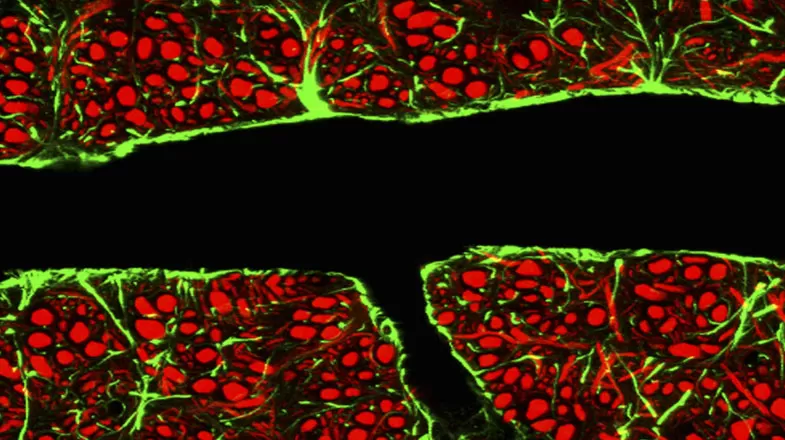
p.p1 {margin: 0.0px 0.0px 10.0px 0.0px; font: 12.0px Helvetica} p.p2 {margin: 0.0px 0.0px 10.0px 0.0px; font: 12.0px Helvetica; color: #2d2d2d} p.p3 {margin: 0.0px 0.0px 0.0px 0.0px; font: 12.0px Helvetica} p.p4 {margin: 0.0px 0.0px 10.0px 0.0px; font: 11.0px Helvetica; min-height: 13.0px} p.p5 {margin: 5.0px 0.0px 5.0px 0.0px; font: 12.0px Helvetica; color: #2d2d2d} span.s1 {color: #2d2d2d} By mimicking the way organs operate in the body, the organ-on-a-chip can offer a more realistic and...
Getting Life-Saving Medicines Over the Brain’s Security Wall
p.p1 {margin: 0.0px 0.0px 0.0px 0.0px; font: 12.0px Helvetica} p.p2 {margin: 0.0px 0.0px 0.0px 0.0px; font: 12.0px 'Times New Roman'; min-height: 15.0px} p.p3 {margin: 0.0px 0.0px 0.0px 0.0px; font: 12.0px Helvetica; min-height: 14.0px} p.p4 {margin: 0.0px 0.0px 0.0px 0.0px; font: 12.0px 'Times New Roman'; color: #1e497d} span.s1 {font: 12.0px 'Times New Roman'; color: #1e497d} Science is helping cancer treatments and other medicines breach the blood-brain barrier in novel ways. Among all the...
Using Big Data to Discover Nature’s Medicine
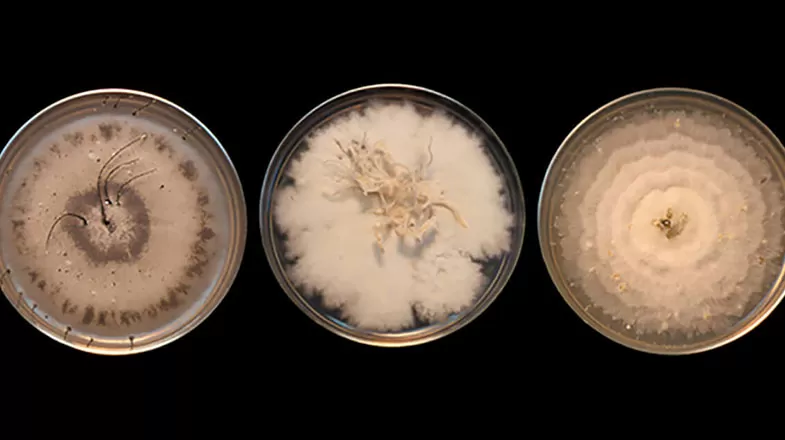
Computer programmers and data scientists are working with microbiologists and chemists to unlock the medicinal potential of natural products. For thousands of years, medicine has turned to nature for inspiration and potential cures. The bark of the yew tree, the slimy sea hare and even fungus have helped lead scientists to medicines for fighting cancer, high cholesterol and other conditions. As recent as last year, the natural products field took the spotlight when a Nobel Prize in Physiology...
Media Resources & Contact Information
Anyone may view our press releases, press statements, and press kits. However, to ensure that customers, investors, and others receive the appropriate attention, Pfizer Media Contacts may only respond to calls and emails from professional journalists.