
Articles
Featured Articles
Read our latest stories on the people and scientific innovations making a difference in patients’ lives.
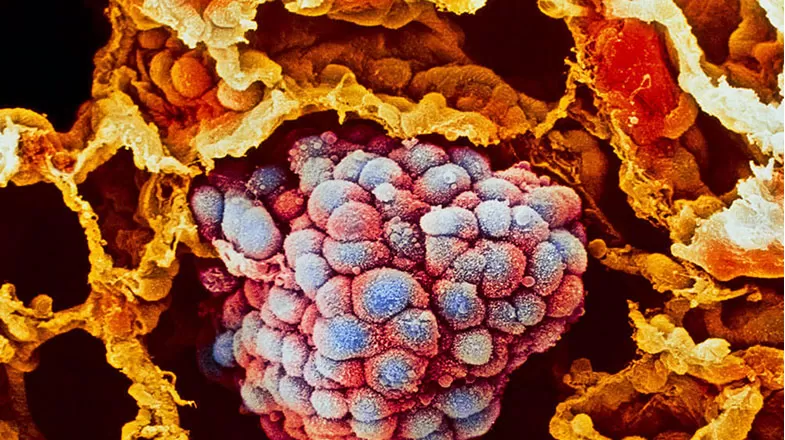
Solving the Matchmaking Problem in Precision Medicine Cancer Studies
With the rise of precision medicine, scientists are hopeful that more cancer patients can receive treatments tailored to their specific tumor mutations. But with these advances, a matchmaking problem has also emerged: It can be very challenging to recruit enough patients with specific tumor mutations to participate in clinical trials.However, a pioneering clinical trial model is helping more patients with advanced-stage non-small-cell lung cancer participate in studies that match their tumor...

Meet the New Digital Assistants Transforming Patient Medical Information
Pfizer’s trio of recently launched digital assistants, Medibot in the US, Fabi in Brazil and Maibo in Japan, make it easier for patients and healthcare providers to access medical information. Meet Fabi, a digital assistant with an easy smile and brown curly hair who can make small talk in Portuguese and answer hundreds of questions related to Pfizer’s medicines in Brazil. While chatbots have been around for consumer and retail use for more than two decades, Pfizer is leading the...
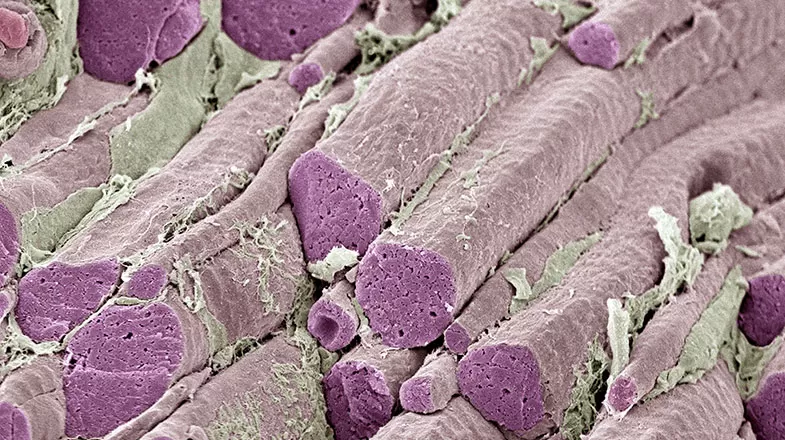
Cachexia Insights: Helping Improve Quality of Life in Chronically Ill Patients
It’s an experience familiar to almost anyone with a family member or friend who has fought a terminal illness, such as cancer or heart failure. In the final stages of life, it can seem as though their loved one is wasting away. This dramatic loss of muscle and fat is caused by cachexia, a wasting disorder that afflicts patients in the late stage of nearly every chronic illness. It’s the immediate cause of death in nearly 20 to 40 percent of cancer patients. “So many people can relate to someone...

Capturing the Itch: Using Digital Wearable Devices to Help Patients with Atopic Dermatitis
For people who have atopic dermatitis (AD) — an autoimmune condition that causes painful, itchy, and inflamed skin — symptoms often flare up at night, leading to disrupted sleep. Until recently, there hasn’t been a way to truly capture how much a person’s quality of life is impacted by these nighttime symptoms. Patients enrolled in studies are asked to complete sleep journals, but these self-reports are based on recall and are often not fully accurate. To address this issue, Pfizer’s Digital...

Moving Beyond Clinical Trials: 4 Lessons From Real-World Data
Clinical trials continue to be the gold standard for studying the safety and efficacy of a new medicine. They are designed to take place in very controlled environments, in a well-defined population, to understand the effects of a medicine on the specific patients; however, these experimental conditions don’t always represent “real world” settings. In recent years, drug makers, doctors and health insurance companies have been increasingly turning to real-world data to answer questions that...
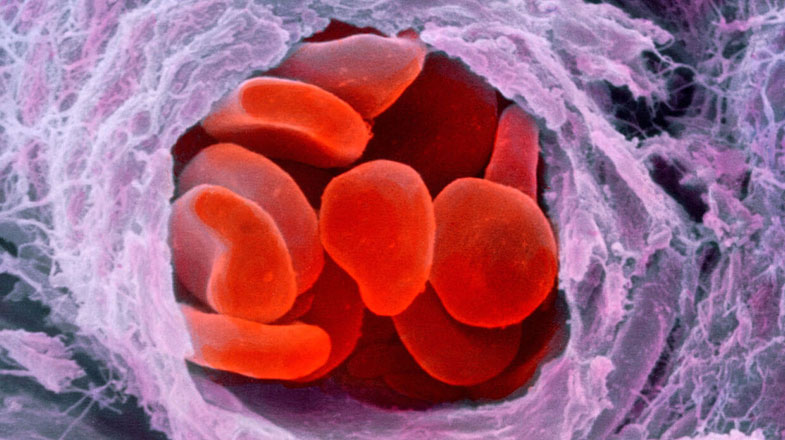
The Search for a ‘Liquid Biopsy’ and Other Advances to Diagnose Cancer
A liquid biopsy — a technology that attempts to diagnose a disease through a blood sample rather than by using a tissue sample collected through a traditional biopsy — is just one technology being explored to make cancer diagnosis faster and less invasive. Imagine going to your doctor for a simple blood test and knowing within 24 hours whether you have cancer. No need for biopsies, time-consuming scans, and waiting days, if not weeks, to learn results. For scientists like Dr. Hakan Sakul...
Media Resources & Contact Information
Anyone may view our press releases, press statements, and press kits. However, to ensure that customers, investors, and others receive the appropriate attention, Pfizer Media Contacts may only respond to calls and emails from professional journalists.