
Rare Diseases Articles
Featured Articles
Read our latest stories on the people and scientific innovations making a difference in patients’ lives.

Managing Sickle Cell Disease as an Adult
People with sickle cell disease (SCD) are now living longer than they did in previous decades. Doctors have a better understanding of the disease, are able to diagnose it earlier, and can more readily treat and prevent the infections the disease can cause. And thanks to new ways to treat and manage the condition, patients are now more aware of what they can do to live healthier, for longer. Still, there is currently no widely available or acceptable cure for the inherited blood disorder...
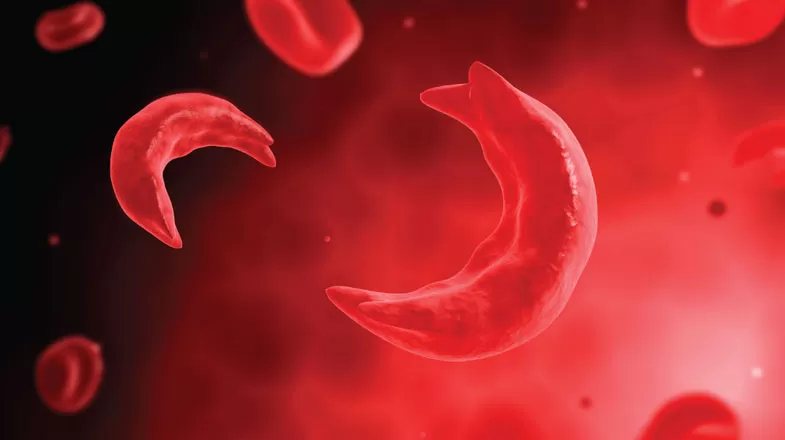
Sickle Cell Trait vs. Sickle Cell Disease
Millions of people worldwide are affected by the sickle cell blood disorder. About 100,000 people in the U.S. have sickle cell disease. It mostly affects African Americans, but it can also affect people from Hispanic, southern European, Middle Eastern and Asian Indian backgrounds.Another 2.5 million people in the U.S. have sickle cell trait (SCT). But having sickle cell trait (SCT) is not the same as having sickle cell disease (SCD).What is the difference between having sickle cell trait and...
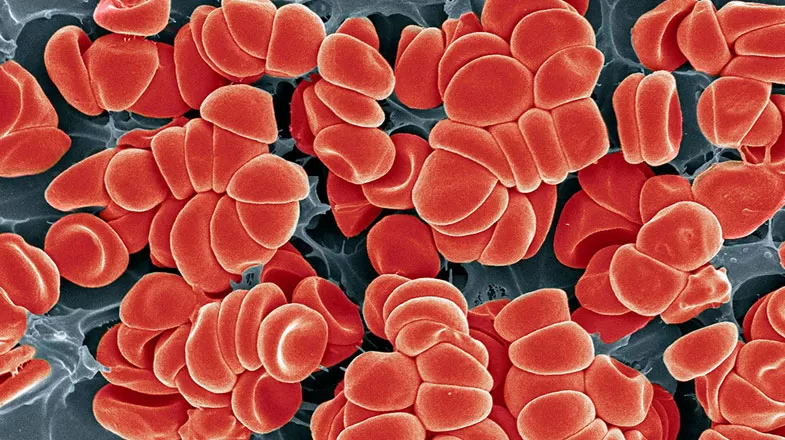
Hemophilia Q&A
Q: What is hemophilia? A: Hemophilia is a blood disorder that primarily affects males. People who have hemophilia tend to bleed for longer periods of time following an injury or surgery. This happens because they have little, or even none, of a protein called clotting factor. Clotting factors help your blood form clots, which play an important role in stopping bleeding. There are many of these clotting factors in the body that are needed for the blood to clot properly. People with...

What are the Gaucher Disease Symptoms
Q: What is Gaucher disease?A: Gaucher disease is a rare, inherited disease. It was first described by Dr. Philippe Gaucher in 1882 and is caused by genetic mutations (a permanent change in the DNA of a gene) received from both parents. In people with Gaucher disease, the body’s cells do not produce enough of an enzyme called glucocerebrosidase (pronounced “GLOO-ko-SERe-bro-sy-dase”). Without enough of this enzyme, people with Gaucher disease can’t break down a fatty substance found in cells...

Supporting the Hemophilia Community
Hemophilia is a rare and life-long bleeding disorder in which the blood does not clot normally. While people with hemophilia can lead fairly normal lives with certain precautions to prevent and control bleeds, managing the condition can be challenging. Those living with hemophilia or caring for someone with hemophilia can face a wide range of difficulties—including medical, psychological, social and financial – which is why a strong network of support is a vital part of comprehensive care. Each...

Overcoming the Stigma of Sickle Cell Disease
People living with sickle cell disease (SCD), an inherited blood disorder that primarily affects African Americans in the U.S., have to deal with constant fatigue and severely painful episodes that can last for a few hours or as long as a week. Adding to these daily challenges, family, friends, and the general public can sometimes view people with SCD as weak, lazy or faking their symptoms. These stigmas even exist in healthcare settings, making it more difficult for people living with SCD to...
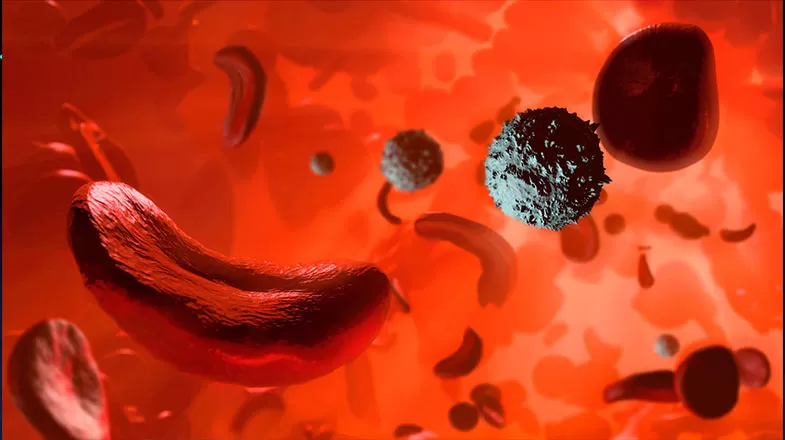
How I Became A Sickle Cell Warrior
In Kenya, where I was born, many people are aware of Sickle Cell Disease (SCD), more so than in the U.S. This may be because there is a greater proportion of the population in Africa that has the disease. My older brother and I were both born with SCD. We have also witnessed many people suffer from and lose family members and friends to the disease.For a long time, I lived in denial about having SCD. As a child, my view of it was very negative; I could not imagine anything positive ever coming...

Common Misconceptions About Vitiligo
Vitiligo (pronounced: vittle-EYE-go) is a skin disorder that causes depigmentation (loss of skin color) in irregular patchy patterns. The disorder itself is rare, affecting only about 0.5% to 1% of the world’s population. Though vitiligo is neither fatal nor life-threatening, there is a social stigma that results in lowered self-esteem among those with the skin condition. As a dermatologist who has treated many patients with vitiligo, raising awareness is one way to help dispel the damaging...

Understanding Genetic Testing
How much do you really know about health problems that may run in your family? Are there any that may affect you now or in the future? Or that may affect your children? Genetic testing can help people and their healthcare providers make more informed health care decisions. But there are some potential limitations of genetic testing to be aware of, too. Read on to learn more. The background: What are genes/chromosomes? Genes are found in chromosomes, which are located inside cells. Genes are...

My Story: Lupus and Pregnancy, What If?
Having lupus and wanting to have a child I always knew I wanted to be a mother—and to be one at a relatively young age too. It was something I started thinking seriously about after I graduated from college. The issue for me was that I was diagnosed with lupus when I was 17. For many women with lupus, it is possible to have a successful pregnancy. However, all lupus pregnancies are considered high risk, for both mother and baby. That made the decision to get pregnant the biggest health-related...
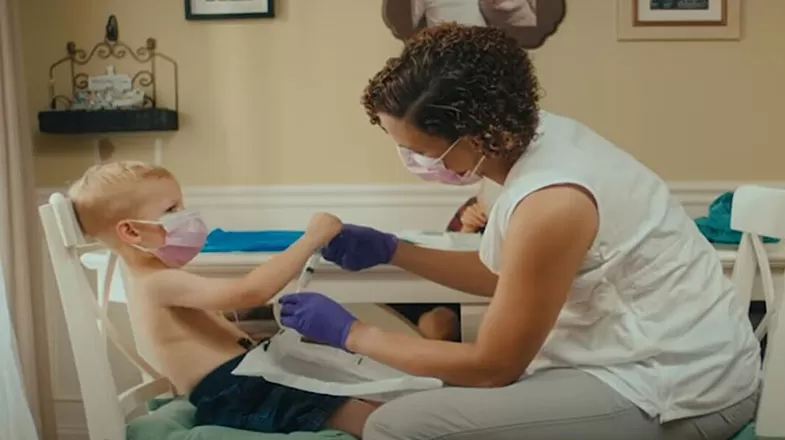
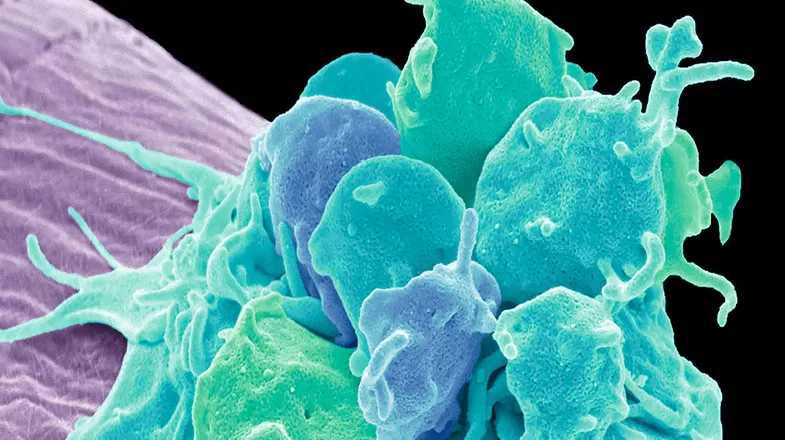
Working to Develop a More Safe and Convenient Treatment Option for Patients with Rare Platelet Disorder
While many people have heard of the blood disorder hemophilia, immune thrombocytopenia (ITP) is a lesser-known bleeding disorder that also severely impacts patients’ quality of life.When you have a cut or injury, thrombocytes, or platelets, are tiny, colorless cell fragments that form a “plug” in blood vessels to help begin the clotting process. ITP is an autoimmune condition that causes a person’s immune system to attack their platelets, leading to low platelet counts. Some people with ITP may...
Media Resources & Contact Information
Anyone may view our press releases, press statements, and press kits. However, to ensure that customers, investors, and others receive the appropriate attention, Pfizer Media Contacts may only respond to calls and emails from professional journalists.