
Health Equity Articles
Featured Articles
Read our latest stories on the people and scientific innovations making a difference in patients’ lives.

Health Equity in Action Summit 2022 Recap: Themes Emerge for Addressing Systemic Racism in Healthcare
Among underserved communities across the U.S., the intrinsic right to good health is challenged daily. It’s no secret that barriers to healthcare have persisted for decades. Lack of access to quality care and cultural sensitivity is part of the problem. Social determinants such as lack of transportation, food deserts, and financial instability also have a negative impact. And, as the COVID-19 pandemic demonstrated, existing health inequities and a flawed healthcare system can intensify...
Real People
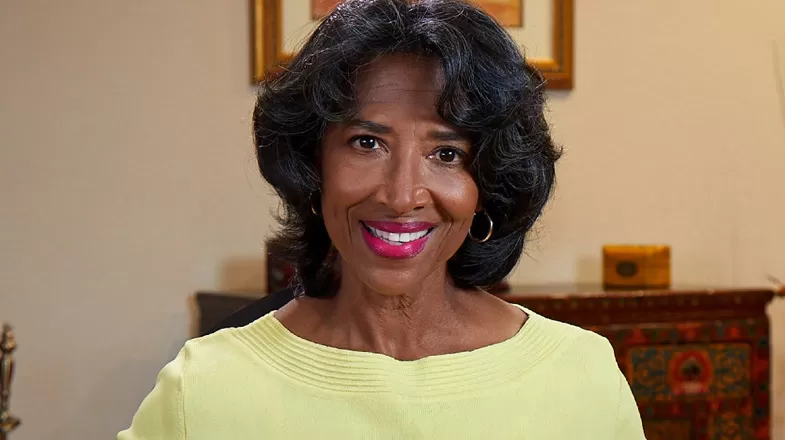
Equitable Access to Multiple Myeloma Treatments Can Help Close the Survival Gap
Jennifer Flowers thought her pain and fatigue were a side effect of working out. Perhaps she’d pushed herself too hard or strained a muscle. But the pain persisted, so she scheduled an appointment with her doctor. Her diagnosis—multiple myeloma, a type of blood cancer—was unexpected. “I was stunned,” Flowers says. “I’m a health-conscious professional and was exercising multiple times a week.” Her first thought, Flowers says, was “How long do I have to live?” Medical Innovations Extend...

Purpose & Ideals
Equity in Advanced Prostate Cancer Care Begins with Changing the Conversation
Prostate health is not a popular topic of conversation. Even in healthcare settings, patients and providers might be hesitant to discuss prostate health or cancer screening. But talking openly is not only the key to destigmatizing an important topic, it’s one of the first steps in addressing global health inequities that impact those diagnosed with prostate cancer.“In the past 10 years, we have seen advances in the treatment of advanced prostate cancer (aPC), but some people are still being left...
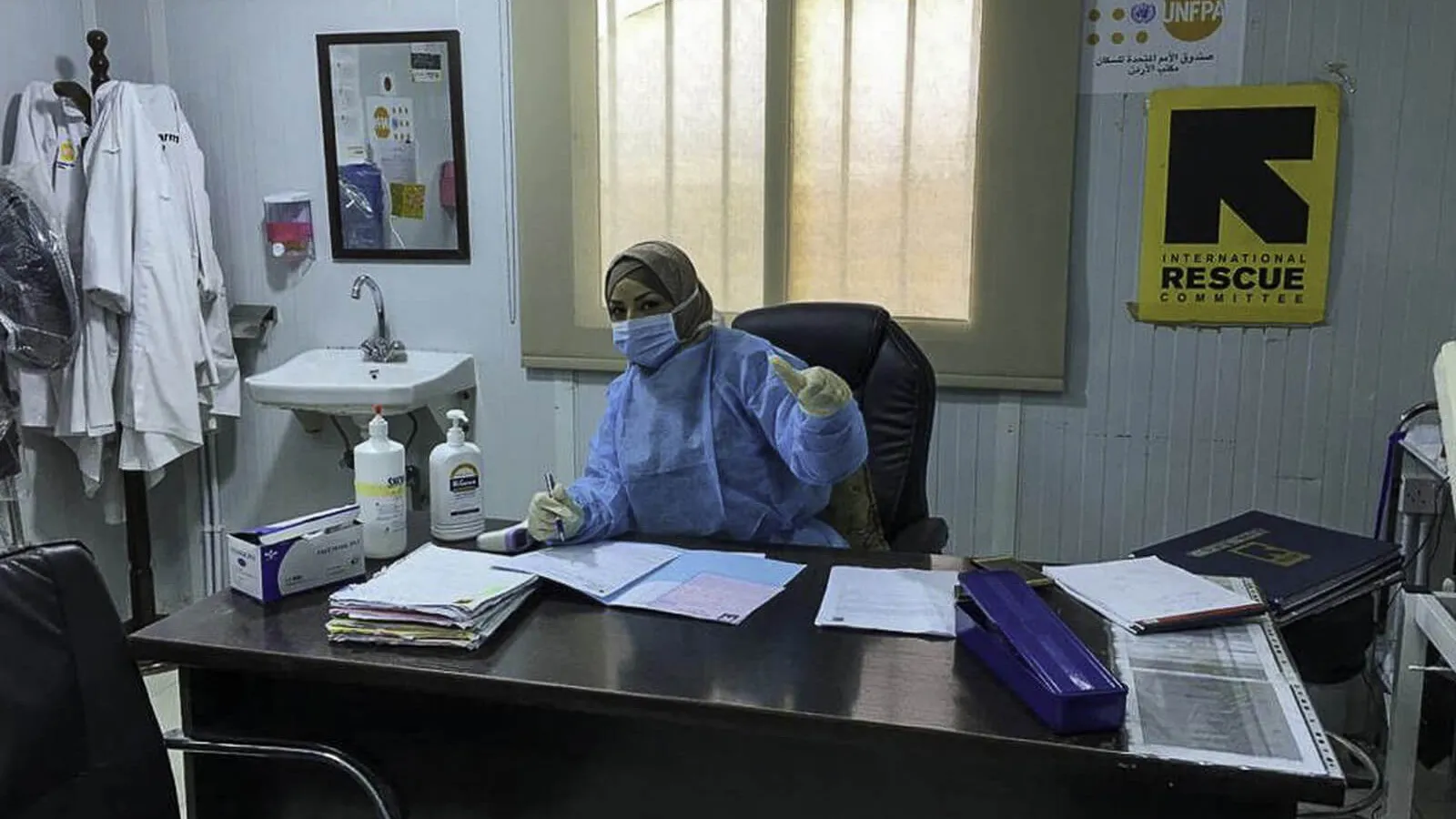
Amid COVID-19 Global Pandemic, The Pfizer Foundation Helps IRC Pursue Urgent Expansion of Health Access in Humanitarian Settings
There are more displaced people today than at any other point in history.1As part of Pfizer’s mission to ensure better health is possible for everyone, everywhere, The Pfizer Foundation has partnered with the International Rescue Committee (IRC), an organization that helps people affected by humanitarian crises to survive, recover, and rebuild their lives in over 40 crisis-affected countries, as well as communities throughout Europe and the Americas.The IRC has decades of experience responding...

Purpose & Ideals
How The Pfizer Foundation is Partnering to Improve Health Outcomes for Black Youth
A conversation with Dr. Clyde Glenn, President of the Essie B. & William Earl Glenn Foundation for Better Living In Sunflower County, Mississippi, one of the poorest counties in the nation, The Pfizer Foundation partners at The Glenn Family Foundation (GFF) are working to improve health and life outcomes by addressing the social determinants of health impacting this community. As defined by the Centers for Disease Control and Prevention, social determinants of health are conditions in the...
Improving Access to Cures Through Innovation
Patients deserve affordable access to the best healthcare possible. That’s why Pfizer invests in research and development: to produce groundbreaking treatments, like the COVID-19 vaccine, that improve people’s lives. It’s this investment in innovation that enables our scientists to make dramatic strides in healthcare. Their work advances life-changing therapies for the millions of patients we serve.To help even more patients access the medications they depend on, we need smart public policies...
Purpose & Ideals
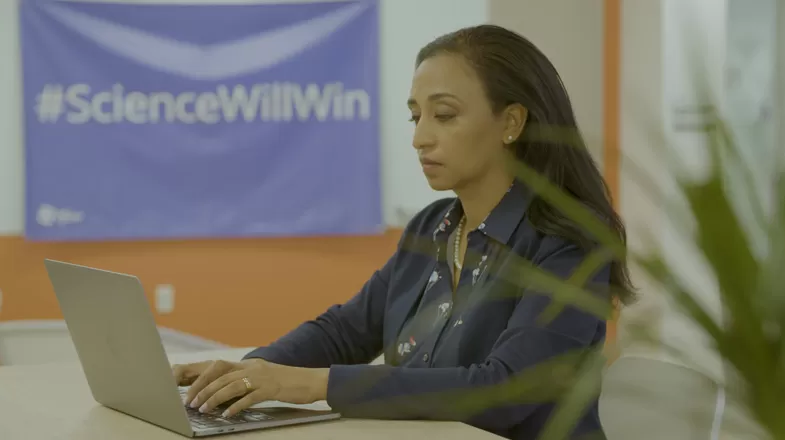
Pfizer’s Institute of Translational Equitable Medicine Addresses Equity in Health Research
When it comes to healthcare, the terms “equitable” and "access" often go hand-in-hand. In order to prevent, treat, and identify diseases that disproportionately impact underserved and minority populations, Pfizer believes that research must be directed to the root causes of healthcare disparities. The recently-launched Institute of Translational Equitable Medicine (ITEM) is intended to do just that: work toward a more equitable future of health care. For Aida Habtezion, M.D., who is Pfizer’s...

Purpose & Ideals
Pfizer's Commitment to Supplier Diversity
While it’s easy to recognize the economic and social benefits that suppliers and their communities receive by doing business with a global biopharmaceutical company such as Pfizer, the benefits are far more mutual than they may seem. Applying innovative perspectives gained from working with suppliers that bring diversity, Pfizer is better able to improve patient care through these connections to a more inclusive group of communities, thus improving health for all. One way Pfizer has worked to...

Living & Wellbeing
Why Raising Health Literate Children Is Important
Annlouise Assaf’s grandmother didn’t speak much English when she left Lebanon for the United States in the early 1900s. The language barrier forced Assaf and her siblings — who were just kids — to stand in as the chief interpreters during doctors’ appointments. As her grandma’s health hung in the balance, Assaf soon found herself juggling much more than two dialects. “The doctor would ask us all these questions,” recalls Assaf. “But first, we had to understand what the doctor was asking us.” T...

Purpose & Ideals
Doing Better: Increasing Diversity in Clinical Trials
Diversity in clinical trials is key to equitable health outcomes. Increasingly, clinicians, researchers and patients are realizing that a lack of diversity in clinical trial participants may contribute to the stubborn persistence of health disparities, such as the fact that Black Americans are 30% more likely than whites to die prematurely of heart disease.1 After all, if a clinical trial for a new nonalcoholic steatohepatitis (NASH) drug doesn’t include an adequate number of Black participants...

Purpose & Ideals
Connecting Patients to the Resources They Need
At Pfizer, we believe that patients should have access to the medicines they need. Which is why, for more than 30 years, Pfizer RxPathways has helped connect patients to a range of assistance programs that offer insurance support, co-pay help,[1] and medication for free or at a savings. Each year, we receive emails, cards, and phone calls from patients and caregivers across the country expressing their appreciation and gratitude for our services and support. Here are excerpts from just a...
Media Resources & Contact Information
Anyone may view our press releases, press statements, and press kits. However, to ensure that customers, investors, and others receive the appropriate attention, Pfizer Media Contacts may only respond to calls and emails from professional journalists.