History Articles
Featured Articles
Read our latest stories on the people and scientific innovations making a difference in patients’ lives.
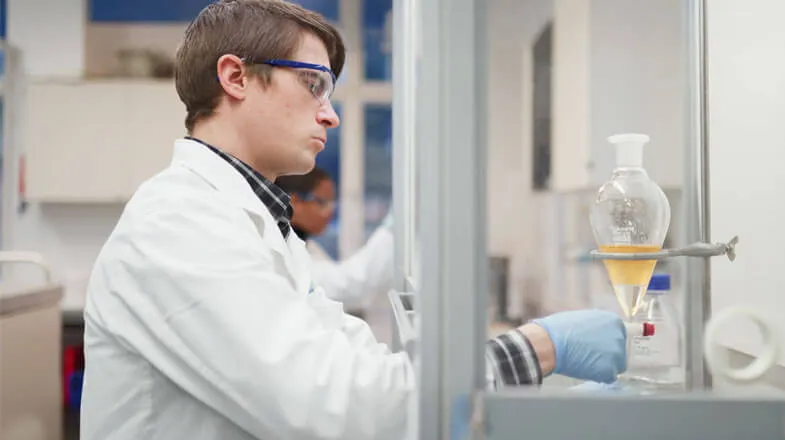
Then vs. Now: Flow Chemistry
The way medicines are made has changed significantly over time. Many of today’s drug molecules are larger and more complex than those developed decades ago and the methods for synthesis have evolved accordingly. As chemists design increasingly sophisticated molecules, they also need more precise and flexible ways to carry out the reactions that produce them.For much of history, chemists have carried out reactions in static vessels such as flasks in the lab or large reactors in manufacturing...
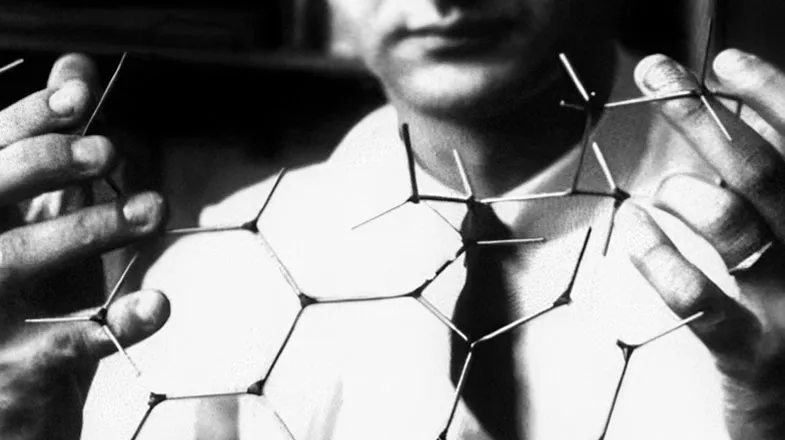
Then vs. Now: Molecular Design
Developing a new medicine starts at the most fundamental level: understanding how disease works. That often means looking beyond what we can observe directly and studying how molecules interact with biological targets.Much of what drives disease and how we treat it happens at a scale too small to see. In drug discovery, scientists study how molecules find, bind to, and influence their targets. The strength and specificity of these interactions play a critical role in determining how effective a...
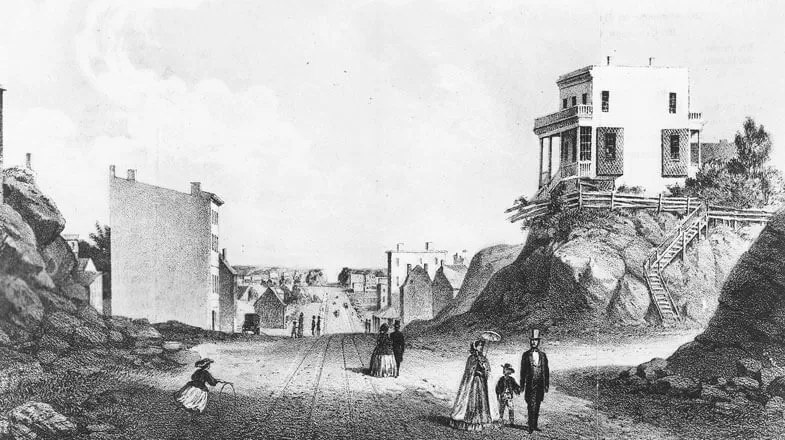
In Celebrating 175 Years, Pfizer Challenges Itself to ‘Outdo Yesterday’
Image caption: Site of the Pfizer World Headquarters Building as it Appeared in 1861It started with a breakthrough.The year was 1849, and people everywhere were getting sick to their stomachs. In the days before widespread refrigeration, a simple meal of meat and potatoes could cause intestinal worms. A drug called santonin could kill the parasites, but it tasted so bitter many people avoided it.Charles Pfizer and his cousin, Charles Erhart, had just immigrated to the U.S. from Germany and...
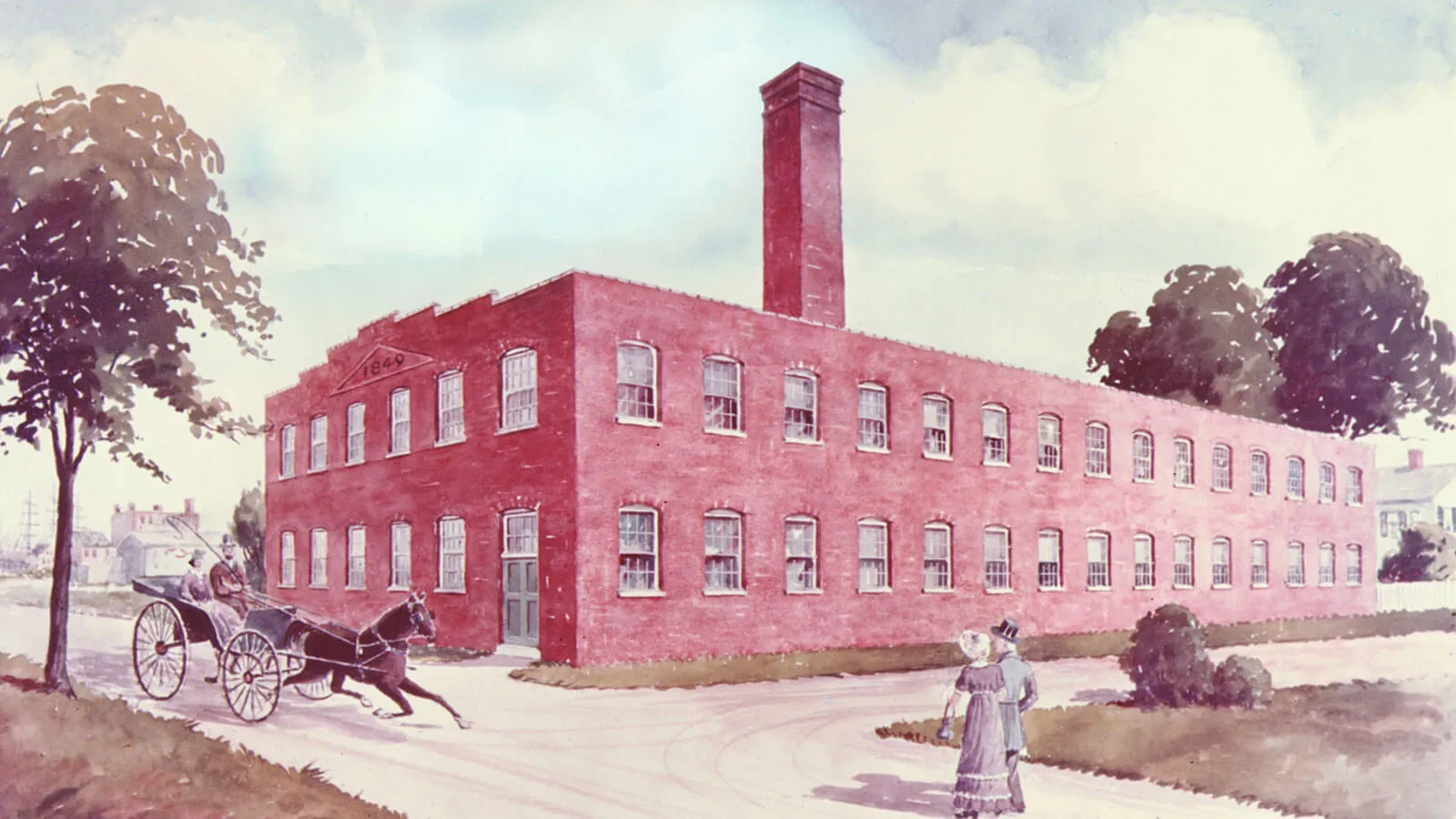
Pfizer Kicks Off 175th Anniversary by Looking Back at Legacy and Ahead to the Future
Way back in 1849, Charles Pfizer and Charles Erhart started the company we know today as Pfizer, and ever since, we’ve been at the forefront of some of the most profound changes in medicine and technology. For 175 years, we have had an extraordinary impact on global health.But in many ways, we’re just getting started. Throughout 2024, we will celebrate and appreciate everything that we have accomplished while we move forward with confidence that the best is yet to come. Together, we will outdo...
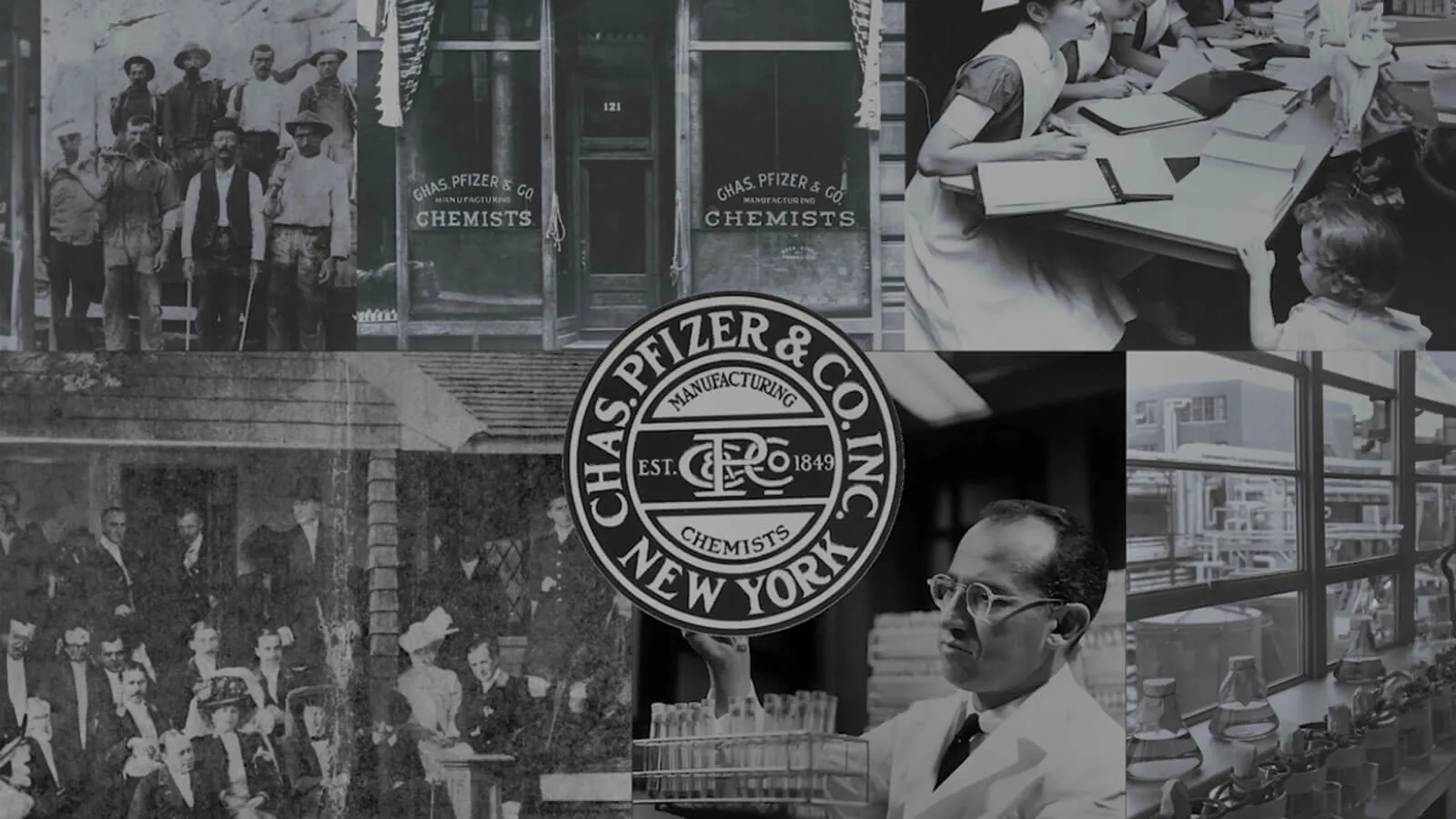
CEO Albert Bourla Kicks Off Pfizer’s 175th Anniversary Celebration
For 175 years, Pfizer has been at the forefront of medical and pharmaceutical breakthroughs that have not only changed patient lives but have impacted the world. From the advent of penicillin to the development of the COVID-19 vaccine, we have harnessed the brilliance, expertise, and innovation of countless scientists, doctors, and researchers to help shepherd the world through some of its most difficult healthcare challenges.This year, we celebrate those breakthroughs as we mark the company’s...
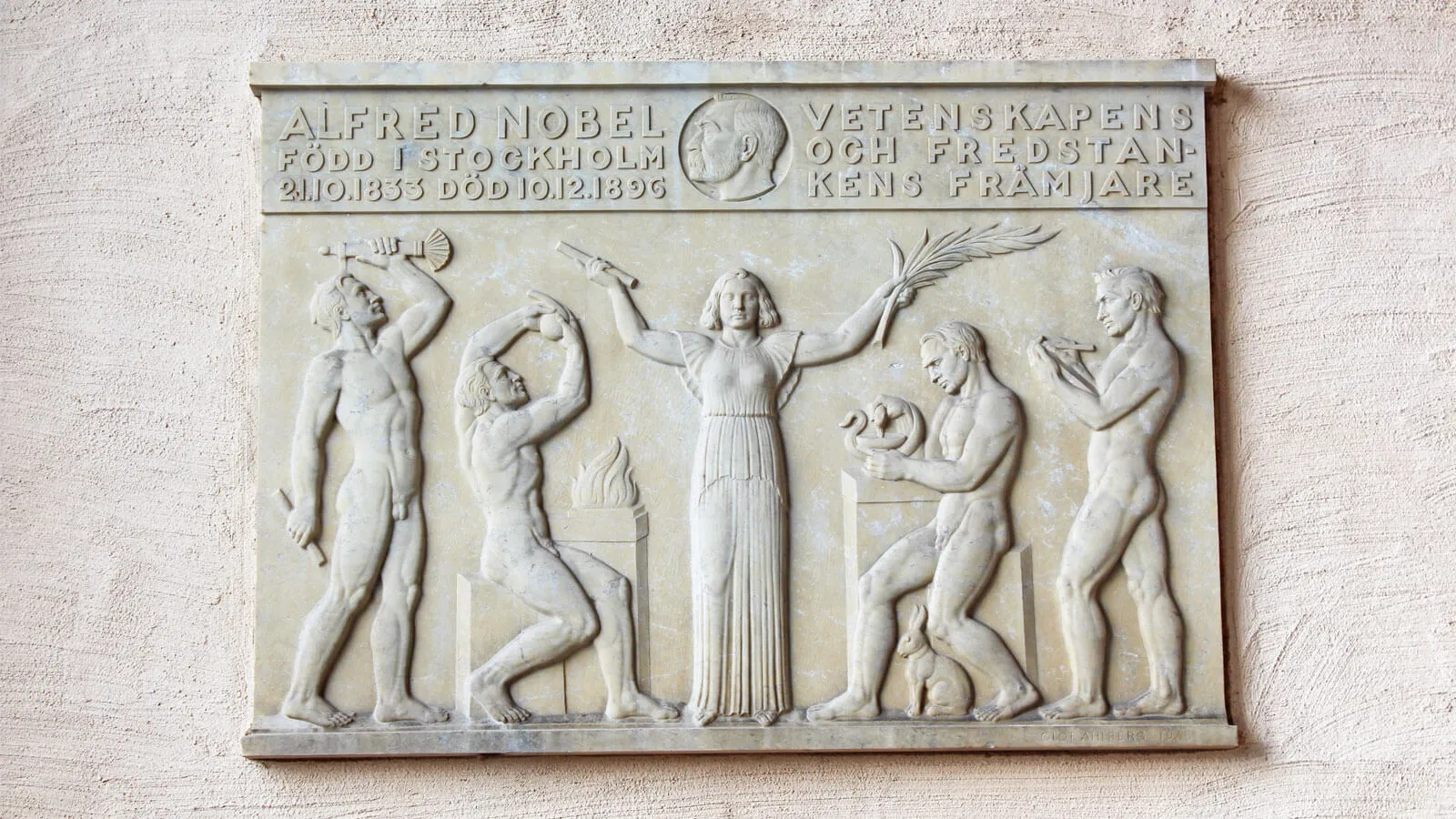
Nobel Prize Awarded to Scientists Responsible for mRNA Breakthrough
Legendary scientist Sir Isaac Newton once shrugged off his own impressive accomplishments by stating, “If I have seen further, it is by standing on the shoulders of giants.” He knew that science, and scientific discovery, relies on iteration and progression, and that all progress relies on the groundbreaking work of those who toiled in the past. Or just 15 years ago. Over the weekend, professors at the Karolinska Institute in Stockholm awarded the 2023 Nobel Prize for Physiology or Medicine...
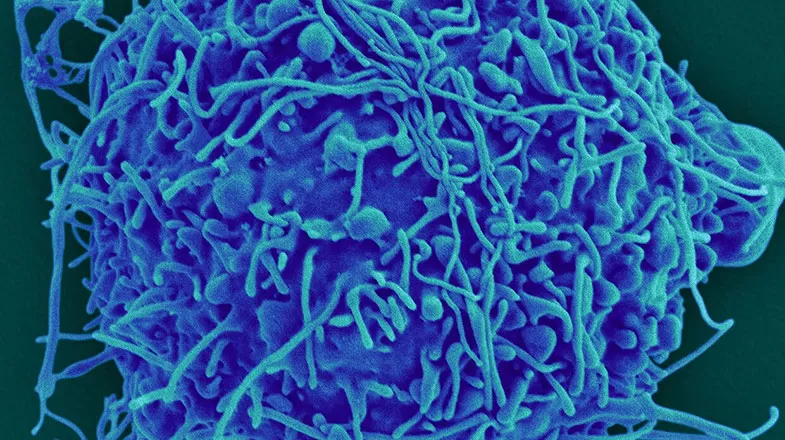
The ‘Immortalized’ Cells That Sparked an International Incident and Their Role in Producing Medicines
Proteins are the rock stars of biological molecules. They allow cells to carry out crucial functions like growth and differentiation, and enable cells to adapt to changing environments. Because dysfunction in certain proteins can cause disease, manipulating proteins is also the foundation of developing new medicines. But where do we get enough building blocks to actually manufacture the medicines that patients take? It turns out that living cells—which make proteins as part of a day’s work...
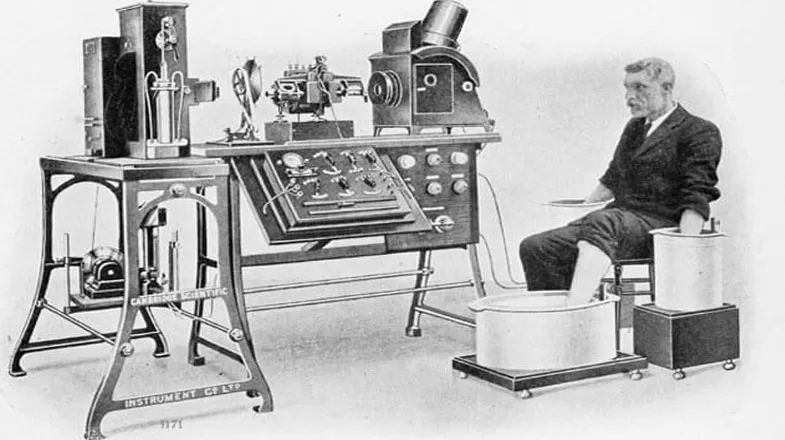
Flashback: The First ECG
p.p1 {margin: 0.0px 0.0px 0.0px 0.0px; font: 12.0px Times} p.p2 {margin: 5.0px 0.0px 5.0px 0.0px; font: 12.0px Times} p.p3 {margin: 0.0px 0.0px 0.0px 0.0px; font: 12.0px Times; min-height: 14.0px} span.s1 {font: 12.0px 'Times New Roman'} Willem Einthoven found the beat and built a machine that could measure the electrical current a heart creates. It weighed 600 pounds. An electrocardiogram — called informally an ECG or EKG — measures the small electric waves that a human heart creates. It’s...
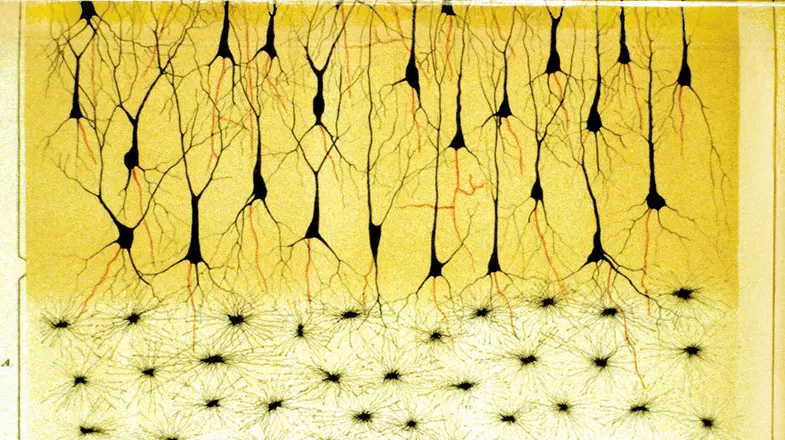
6 Views of a Neuron by Golgi and Cajal
Two groundbreaking scientists stain cells, uncover the intricate secrets of the nervous system, and elevate scientific discovery to fine art. In 1872, Camillo Golgi accepted a job as the chief medical officer at the Hospital for the Chronically Sick at Abbiategrasso, Italy. It is here — ensconced in a tiny kitchen he had converted into a makeshift laboratory — that he created what he would call the “black reaction.” It was a method of staining that was able to capture even the most delicate...
Female Pioneers: Meet the Biochemist Who Tackled One of TB’s Great Mysteries
Florence Seibert was an early pioneer in applying physical chemistry techniques to biomedical problems. American Florence Seibert developed a reliable test for TB, which has helped saved millions of lives. In the early 1900s, tuberculosis, a bacteria that settles in the lungs and eats them away, continued to be among the deadliest diseases, killing one in seven people in the U.S. and Europe. Before the turn of the century, German scientist Robert Koch had discovered tuberculin, which is...
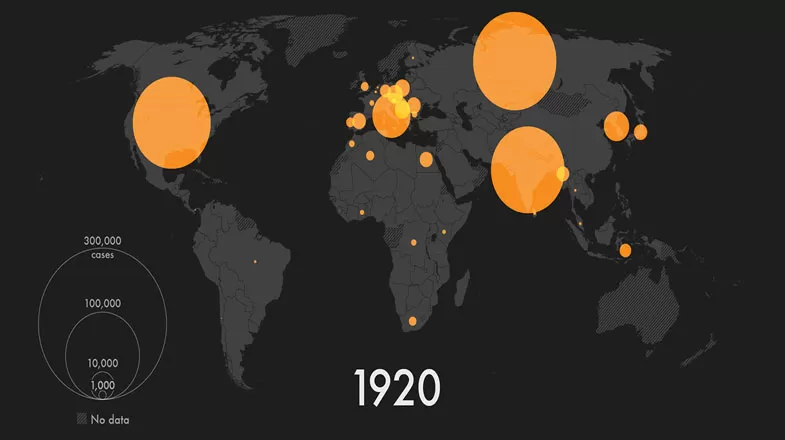
Smallpox Vanquished
Once one of the world’s deadliest diseases, smallpox’s complete eradication was the result of a worldwide deployment of a vaccine begun 50 years ago. To date it’s still the only human disease ever to disappear from Earth. Considered one of the greatest achievements of the 20th century, alongside the likes of getting a man on the moon, and one of the greatest medical feats in all of human history, smallpox was officially declared eradicated from the planet in 1980. The big push for its...
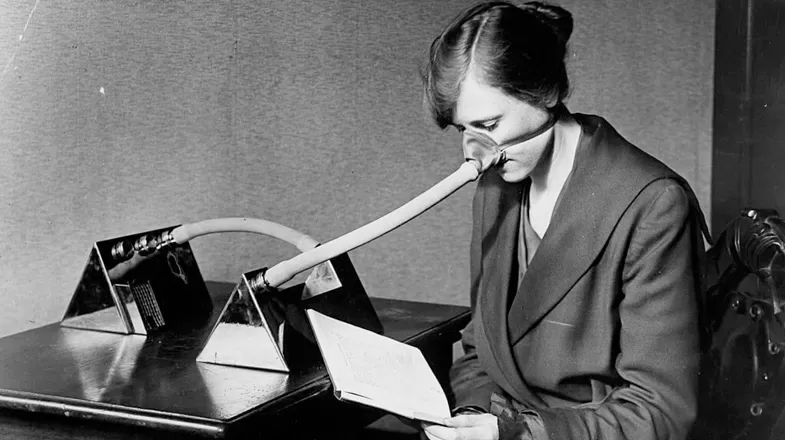
Flashback: Spanish Flu Mask
(Topical Press Agency/Stringer) At the close of WWI, an estimated 50 million people died from the Spanish flu. Masks were the uninfected’s main line of defense. Patient zero of the Spanish flu may have been a soldier in WWI, who accidentally carried his virus back into the densely packed military encampment in Fort Riley, Kansas. From there, the infected would have marched across the battlefields of Europe and beyond, carrying the disease with them. In the end, Spanish flu infected a full...
Media Resources & Contact Information
Anyone may view our press releases, press statements, and press kits. However, to ensure that customers, investors, and others receive the appropriate attention, Pfizer Media Contacts may only respond to calls and emails from professional journalists.