
Medicines Articles
Featured Articles
Read our latest stories on the people and scientific innovations making a difference in patients’ lives.

Inside Pfizer’s Fight Against Counterfeit Medicine
When Pfizer’s Vice President, Global Security Operations, Angel Melendez raises the issue of counterfeit medicine — deliberately mislabeled to pass off as genuine — he usually gets the same offhand reply: “But it’s not really a problem here in the U.S. though, is it?”Melendez’s response often surprises even seasoned professionals: “Yes, it is.”He recently took part in a panel discussion with top law enforcement executives from across the country. When he discussed the scale and prevalence of...

Beyond the Breakthrough: The Manufacturing Work That Gets Medicines and Vaccines to Patients
Scientific discoveries form the basis of every medical breakthrough. But transforming those discoveries into medicines that reach patients requires another kind of innovation: manufacturing.Behind every dose, a complex global network of manufacturing sites, supply chain experts, quality teams, and logistics specialists work together to produce medicines consistently, reliably, and at the scale patients need. These efforts often happen behind the scenes, but they play a critical role in expanding...
Ever Wonder How Medicines Get Their Names?
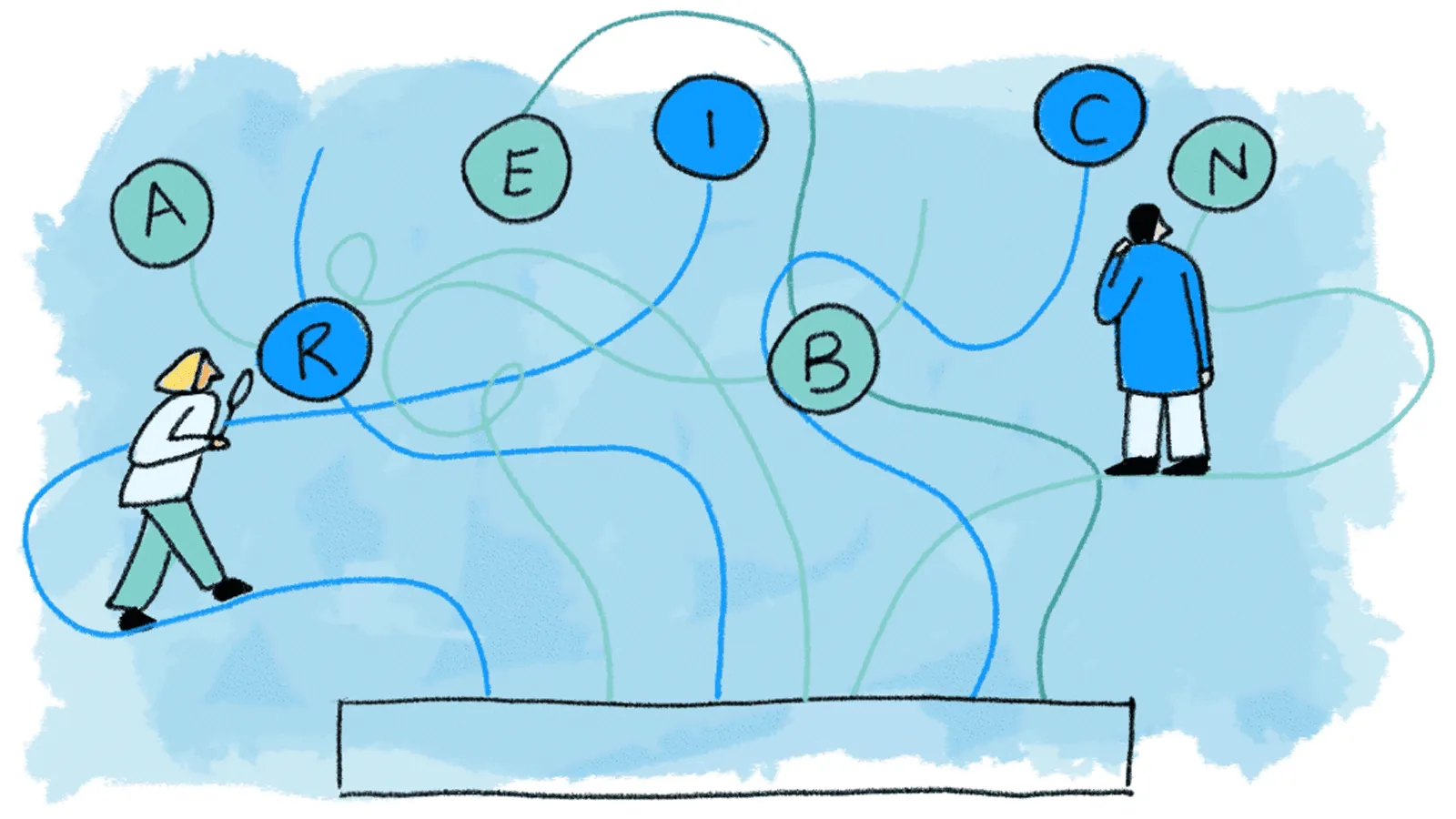
Naming a medicine is more than just a creative exercise. It’s a critical, complicated, and collaborative step in bringing innovative treatments to patients.Some medicine names may sound unfamiliar, but there’s a lot of intention behind every syllable. Long before a treatment reaches patients, its name goes through a careful, highly regulated process designed to help prevent confusion and support safe use in real world healthcare settings.From early lab identifiers to globally recognized generic...
Pfizer’s Flagship “Science Will Win” Podcast Returns for Season 5
We at Pfizer know that when it comes to making breakthroughs that change patients’ lives, science and technology work hand-in-hand. We’ve been investigating this intersection on our Science Will Win podcast for years, and with the launch of season five, we’re taking a close look at the future of medicine.The new season of Science Will Win, available now, explores the latest cutting-edge innovations that might soon redefine what’s possible for human health.Season five of Science Will Win, our...

The Mindfulness of Medicine Development: Patients as Partners in the R&D Journey
At Pfizer, we know that breakthroughs aren’t created in a vacuum. Every new discovery, every new medicine and vaccine, is the result of the collaboration of many members of our community, each with their own unique experiences, expertise, and insights. The human element cannot be separated from our work any more than the patient experience can be removed from the treatment. “The Mindfulness of Medicine Development” series showcases the journeys, experiences, and inspirations of our colleagues...

The Mindfulness of Medicine Development: The First Steps of Scientific Innovation
At Pfizer, we know that breakthroughs aren’t created in a vacuum. Every new discovery, every new medicine and vaccine, is the result of the collaboration of many members of our community, each with their own unique experiences, expertise, and insights. The human element cannot be separated from our work any more than the patient experience can be removed from the outcome.“The Mindfulness of Medicine Development” series showcases the journeys, experiences, and inspirations of our colleagues...
The Mindfulness of Medicine Development: How Scientists Are Driving the Next Wave of Medical Innovations
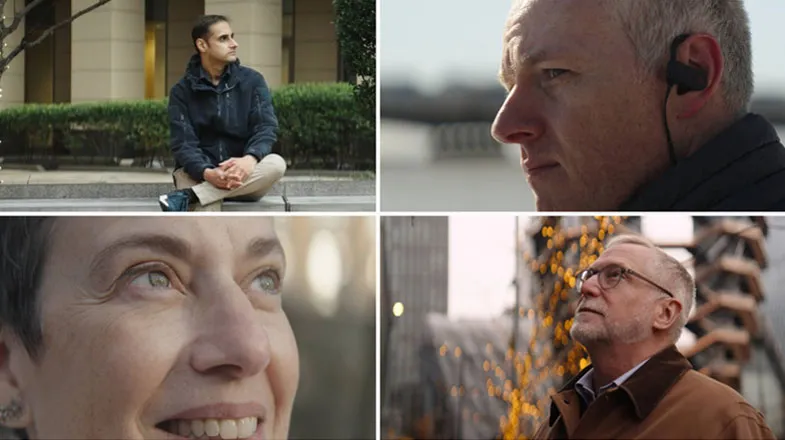
For millions of patients around the world, the development of a new treatment or vaccine can be life-changing. But the journey from promising drug candidate to approved product isn’t easy. It's a long and arduous process, with an average timeline lasting more than 10 years.Behind the scenes of these life-changing medical breakthroughs are the scientists whose dedication, expertise, and remarkable problem-solving skills are driving progress forward. Though their training could have prepared them...

An Accord for a Healthier World: Working Together to Help Address Unmet Healthcare Needs in Lower-Income Countries
Currently, regulatory agencies may take up to seven years to approve essential medicines and vaccines in low- and middle-income counties (LMICs) from the time those same treatments were first approved in high-income countries, if they are approved at all.1 The burden remains disproportionately higher in low-income countries.2 Lack of access to quality healthcare is related to healthcare inequities in LMICs and hinders equitable access to safe and effective treatments.2Those living in LMICs...

CEO Albert Bourla Kicks Off Pfizer’s 175th Anniversary Celebration
For 175 years, Pfizer has been at the forefront of medical and pharmaceutical breakthroughs that have not only changed patient lives but have impacted the world. From the advent of penicillin to the development of the COVID-19 vaccine, we have harnessed the brilliance, expertise, and innovation of countless scientists, doctors, and researchers to help shepherd the world through some of its most difficult healthcare challenges.This year, we celebrate those breakthroughs as we mark the company’s...

ASH 2023: Advancing Potential Breakthroughs for Patients with Hematologic Disorders
This weekend, Pfizer will be joining the hematology/oncology community at the 65th Annual Meeting of the American Society of Hematology (ASH), the premier professional society of clinicians and scientists dedicated to conquering blood diseases.Blood diseases can disrupt a broad range of essential functioning – from providing the body with oxygen and nutrients, to fighting the growth of cancer, to preventing excessive bleeding. Pfizer is advancing novel approaches to blood diseases with next...

Pfizer’s 2-in 1 At-Home Test Enables Convenient Testing for both COVID-19 and the Flu
When we think of winter, hot chocolate, cozy fireplaces, and catching up with friends and family often come to mind. But 'tis also peak respiratory virus season1, with viruses like the flu and COVID-19 making the rounds at holiday parties and gatherings everywhere. To further complicate matters, symptoms of COVID-19 and the flu present very similarly: fever, cough, runny nose, sore throat, and body aches2. These similarities in symptoms can make it difficult for people to differentiate between...
Listen Now: Award-Winning ‘Science Will Win’ Podcast Explores Antimicrobial Resistance
This week, season three of Pfizer’s signature Science Will Win podcast—which debuted as one of the top 1% podcasts globally—returns with a look at antimicrobial resistance (AMR), one of healthcare’s greatest threats, and the innovative ways doctors and scientists are leveraging emerging technology to fight it.The ambitious new season follows last year’s award-winning foray into the latest advancements in cancer treatment. In last season’s episodes, host Adam Rutherford and a variety of guests...
Media Resources & Contact Information
Anyone may view our press releases, press statements, and press kits. However, to ensure that customers, investors, and others receive the appropriate attention, Pfizer Media Contacts may only respond to calls and emails from professional journalists.