
How One Woman with Multiple Myeloma Found Strength—and Gratitude—in Adversity
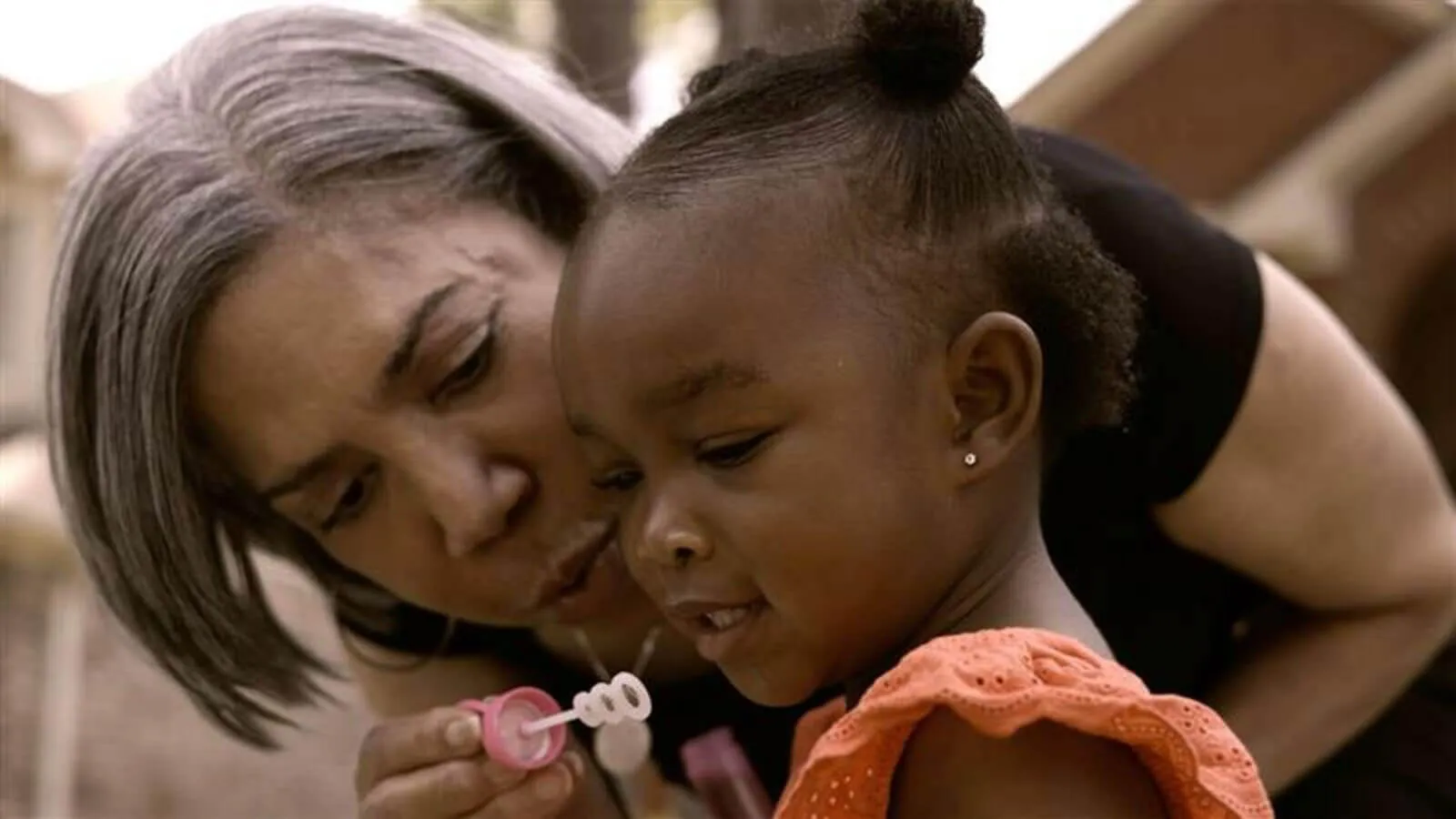
September’s Blood Cancer Awareness Month is a time to raise awareness of hematologic cancers and share the stories of those living with the disease
In 2017, Lynce Lucas hadn’t been feeling well for several months and was dealing with some fractured ribs. But when she woke up one morning struggling with the ability to walk, she knew something more was wrong.
Lynce was diagnosed with multiple myeloma, which at the time she didn’t know much about. “They told me that multiple myeloma was cancer, it affects the white blood cells, the plasma cells, and the bone marrow,” she says. “A doctor [told] me that there's no cure and that's what you will probably die from.”
She and her family were left devastated by the news. But the more educated Lynce got about multiple myeloma, the more optimistic she became. She learned that multiple myeloma had likely contributed to her fractured ribs and bone pain—and importantly, she learned that effective treatment options exist. “Things started clicking,” she says. “Now I'm knowledgeable about multiple myeloma.”
She was also feeling more empowered—and eager to help others who were also living with multiple myeloma.
Blood cancer care is advancing—but there’s more work to be done
The American Cancer Society estimates that 36,110 new cases of multiple myeloma will be diagnosed in the U.S. in 2025.1 Multiple myeloma is just one of many types of cancer that affect the blood, bone marrow, and lymph nodes, and also include leukemias and lymphomas. In the U.S., someone is diagnosed with blood cancer about every 3 minutes.2
But there’s good reason for hope: As treatments have become more advanced and there are more options to choose from, survival rates have improved dramatically.3 In 1985, the five-year survival rate for multiple myeloma in the U.S. was less than 28%.4 It is now over 62%.4
Pfizer has been a leader in hematology for more than a decade, having developed treatments across the main types of blood cancer, including multiple myeloma, chronic and acute leukemias, and lymphomas. To continue to drive the next wave of treatment advancements, we are also exploring a range of novel and differentiated molecules in our pipeline5—and partnering with the blood cancer community to understand where unmet needs remain. All of our initiatives are driven by our deep commitment to help patients, like Lynce, live better and longer lives.
Moving forward with purpose
Since her diagnosis, Lynce has undergone several different treatments for her multiple myeloma. But through her journey, she’s found resilience and a deep satisfaction from helping others learn about the disease and the “arsenal” of treatment options that exist.
Lynce volunteers with the Leukemia and Lymphoma Society (LLS) and is a member of Pfizer’s Multiple Myeloma Patient Steering Committee. Rob Ruckman, Director of Advocacy and Professional Relations at Pfizer Oncology, applauded her contribution: “Lynce has been an integral member of our Patient Steering Committee since day one. Her perspectives have provided incredible insight into the needs and experiences of the patient, and her enthusiasm and dedication make her a joy to work with.”
Becoming active in the multiple myeloma community has helped Lynce adjust to her new normal. And living with multiple myeloma, she says, has given her a deeper appreciation of each day.
“Living with cancer gives you a heightened awareness of life,” said Lynce. “I’m just grateful to be alive…and to have the chance to help others.”
Watch the video above to hear Lynce tell her story. Learn more about how Pfizer is advancing cancer care here.