
Article
Featured Articles
Read our latest stories on the people and scientific innovations making a difference in patients’ lives.

Little Ms. Excitable and Mr. Naïve: Meet Some Varied ‘Cell States’
They get excited. Sometimes they’re a little chatty. And they’ve been known to be naïve. We’re not describing your average teenager, but rather, we’re talking about our cells, the building blocks of life. We’re made up of some 37 trillion of them. And among this vast megalopolis of cellular matter are some 210 different cell types, from lymphocytes to beta cells to the more descriptively named chandelier and cartwheel cells (two types of neurons). Cells also perform a range of critical...

Decoding Longevity: 3 Genes Linked to Anti-Aging
The bowhead whale, the mammal with the longest known lifespan, can survive to 200, while the average rat lives only two to three years, and squirrels can often live over a decade. What explains a species’ longevity? There’s still much to learn when it comes to decoding the link between genetics and longevity, but, increasingly, studies into a range of genes are revealing tantalizing clues about the role that the genome plays in determining an animal’s lifespan. Here’s a look at three genes...

The Science Behind the Winter Blues
As the days grow darker and colder, many of us occasionally experience the winter doldrums. A small percentage of the US population (about 1 to 10 percent, depending on where you live), however, suffers a more severe form of the blues known as seasonal affective disorder (SAD), with symptoms such as feeling sluggish, agitated, hopeless, overly fatigued and changes in appetite. In the U.S., the prevalence of SAD is linked to how far north you live. The incidence of SAD is nearly 10 percent of the...

Bodily Functions Explained: Spicy Food Reaction
Spicy food contains chemicals that trick the body into cranking up its internal air-conditioning system, triggering responses from head to toe and involving everything from the respiratory to the circulatory system.It happens at dinner tables around the world every day. Something spicy — a chunk of chili pepper, perhaps — goes from fork to mouth, setting off a body-wide chain reaction.A burning sensation spreads across the lips and ignites the tongue. Mucous membranes, which protect the lungs...

Bodily Functions Explained: Goosebumps
A holdover from our prehistoric days, goosebumps are the end result of an adrenaline rush meant to ward off a big chill — or predators. It’s a common occurrence. A sudden freezing gust of wind or spike in air conditioning causes our hair to stand on end and our skin to prickle. If the chill is strong enough to dip your body temperature below 98.6 degrees, your skin sounds an alarm. Body muscles contract in quick bursts to generate heat and your hypothalamus triggers a rush of adrenaline. As...

Bodily Functions Explained: Itch and Scratch
Meant to remove invaders, either infectious or simply irritating, a scratch is human skin’s first line of defense.It happens every day. An irritant — a speck of dust, bit of errant clothing fiber, a tiny bug, perhaps — triggers nerve receptors on the skin to send an alert to the brain: “There is something foreign and potentially dangerous that needs to be removed. Now.”Receptors on specialized nerve cells translate that alarm message into “itch,” then specialized nerve fibers speed the itch...

foundations-science
Bodily Functions Explained: The Cough
It’s an everyday occurrence. A little tickle in your throat, a wayward speck of pollen, perhaps — or a bit of water traveling down the wrong pipe — and then a full-on chain reaction in your body. Your torso lurches forward with force as your esophagus slams shut then opens wide again. In between, your lungs compress in a short burst and abdominal and rib muscles contract to push the equivalent of most of a two-liter bottle’s worth of air out of your windpipe in a fraction of a second. A cough...
The Long And Short Of Aging
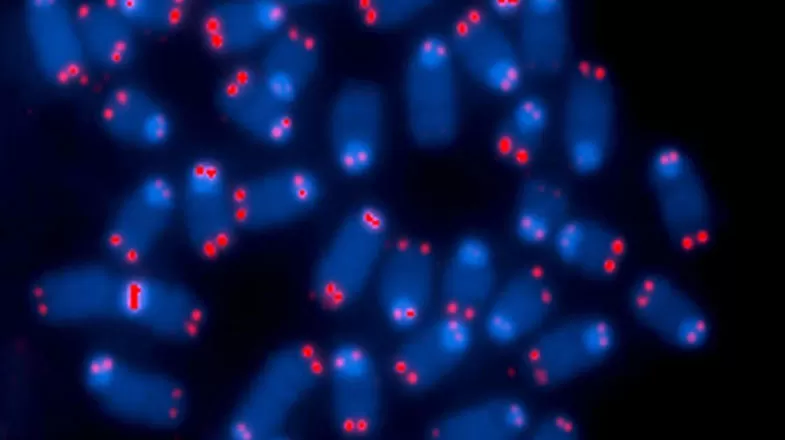
The length of our telomeres, the caps on the ends of chromosomes, can predict how well we’re aging. If you’ve been sticking to your New Year’s resolutions to exercise more, eat healthier, and better manage stress, turns out that more than your waistline and well-being are benefitting. You may also be helping maintain your telomeres, the parts of chromosomes that affect aging. Watching Telomeres Telomeres are protective caps on the ends of chromosomes, often likened to the tips on the ends of...
Purpose & Ideals
Supporting Breast Cancer Care Globally Through Pfizer Foundation
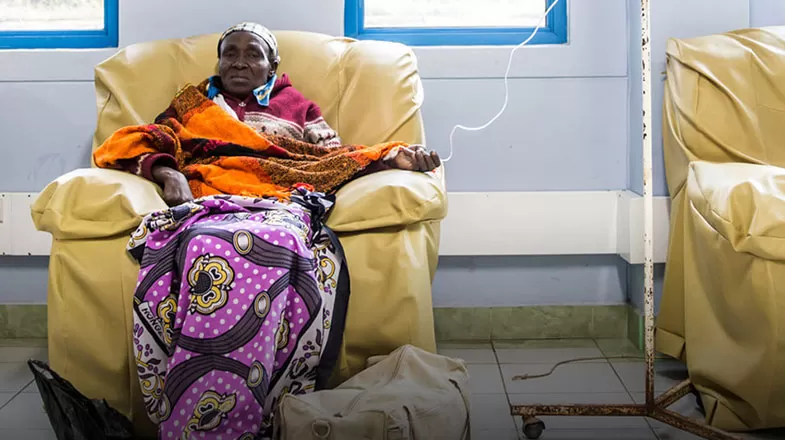
As with many diseases, the burden of cancer falls most heavily on poor, marginalized and rural communities due to their unequal access to screening and treatment. For women living in low and middle income countries, breast and cervical cancers are among the leading causes of morbidity and mortality . It is important to address the significant barriers to quality healthcare that women living in rural or underserved communities may face. The private sector can complement the substantial work...
Science & Innovation
Tackling Antibiotic Resistance
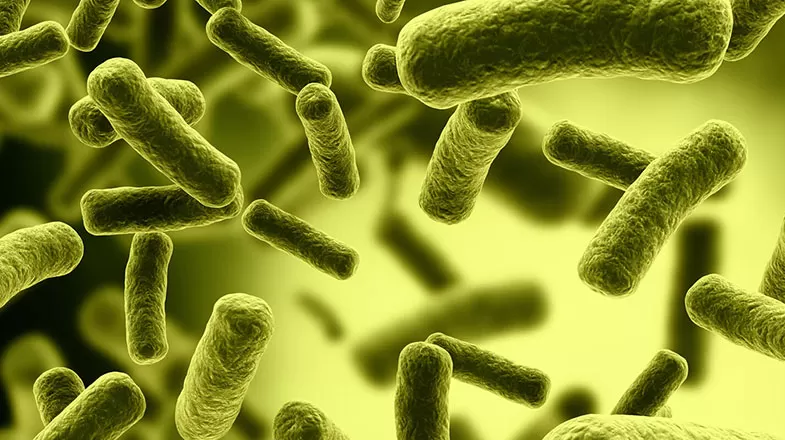
Pfizer and industry partners present roadmap for overcoming the threat that resistance poses. In an unprecedented collaboration, today, Pfizer and 13 industry partners released a comprehensive plan of action that lays out four key commitments we pledge to deliver by 2020 to reduce the rising incidence of antimicrobial resistance. Antimicrobial resistance is a natural process by which bacteria and other microbes develop resistance to the drugs commonly used to treat infections, including...
Media Resources & Contact Information
Anyone may view our press releases, press statements, and press kits. However, to ensure that customers, investors, and others receive the appropriate attention, Pfizer Media Contacts may only respond to calls and emails from professional journalists.