
Article
Featured Articles
Read our latest stories on the people and scientific innovations making a difference in patients’ lives.

Breast Self-Exams: Should You Do Them?
For many years, we women were told to examine our breasts at least monthly to check for signs of breast cancer. In medical school, my fellow students and I learned how to teach our patients to examine their breasts. It’s a multi-step process that takes several minutes – checking your breasts in the shower, in the mirror, lying on your back (maybe you’ve seen diagram-heavy brochures -- still a staple in many college and community health centers). But in recent years, some medical organizations...

Taking Prescription Pain Medicine Safely
Prescription opioid pain medications such as oxycodone and codeine are some of the most commonly abused prescription drugs. And there has certainly been a lot of talk in the media about the very real problem of pain medicine addiction. Unfortunately, all of that news coverage can sometimes overshadow the fact that these medicines are important tools in treating pain. For many people, opioid medicines—which work by reducing pain signals that are sent to your brain—can be extremely helpful. When...
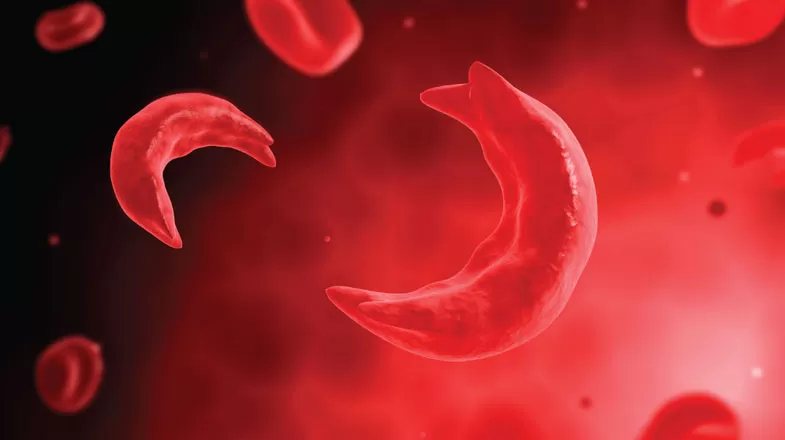
Sickle Cell Trait vs. Sickle Cell Disease
Millions of people worldwide are affected by the sickle cell blood disorder. About 100,000 people in the U.S. have sickle cell disease. It mostly affects African Americans, but it can also affect people from Hispanic, southern European, Middle Eastern and Asian Indian backgrounds.Another 2.5 million people in the U.S. have sickle cell trait (SCT). But having sickle cell trait (SCT) is not the same as having sickle cell disease (SCD).What is the difference between having sickle cell trait and...
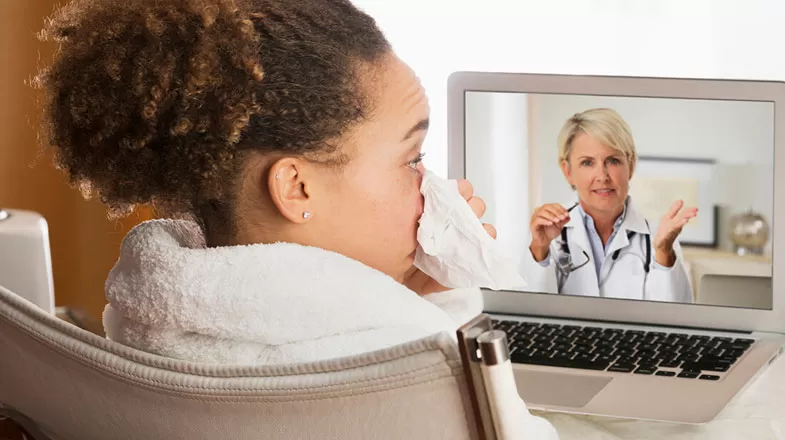
It’s a Match! Telemedicine and a Healthier You
My parents, born in pre-war Hungary and Poland, were introduced in New York through a matchmaker. That was the custom of the times. They had a happy marriage despite the reality that the matchmaker gave incomplete and sometimes incorrect information to them and to their respective families. Their union blossomed because they used what the matchmaker provided as a starting point for deeper discussions on what mattered to them. The matchmaker's information was only the first stage in finding...
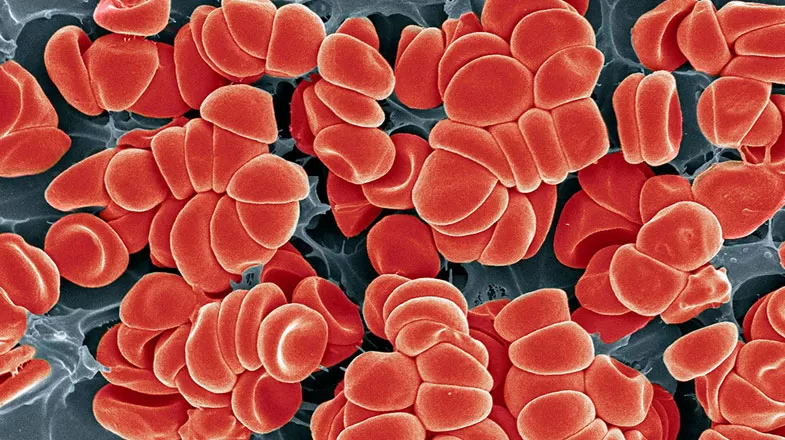
Hemophilia Q&A
Q: What is hemophilia? A: Hemophilia is a blood disorder that primarily affects males. People who have hemophilia tend to bleed for longer periods of time following an injury or surgery. This happens because they have little, or even none, of a protein called clotting factor. Clotting factors help your blood form clots, which play an important role in stopping bleeding. There are many of these clotting factors in the body that are needed for the blood to clot properly. People with...

Finding the Key to Alzheimer’s Dementia
I recall very vividly one of my patients who couldn’t see that his Alzheimer dementia (AD) symptoms were changing. Despite concerns from family members and his primary care doctor, this patient continued to drive. A quick brainstorm with the family led to my suggesting that they hide the car keys. Unfortunately, this caused frustration for both my patient and the caregivers. Every day he would search for the keys, going through every inch of the house and leaving a trail of disarray behind him...

What You Need to Know About Sunscreen
More than 2 million people in the US are diagnosed with skin cancer every year. Unprotected skin exposed to ultraviolet (UV) radiation can also lead to several other adverse health effects, such as sunburn, premature skin aging, eye damage, and weakened immune system. The American Cancer Society states that simply staying in the shade is one of the best ways to limit exposure to UV radiation. However, if you are in the sun, it is recommended that you cover up with clothing, hat and sunglasses...

5 Myths About Dementia
MYTH: Dementia is a disease FACT: Dementia is not a disease. Instead, it describes a group of symptoms that affects the ability to think, remember things, and reason to a degree such that a person’s activities of daily living are impaired. Other changes can include trouble with language or communication, and unexpected changes in mood and behavior. MYTH: All types of dementia are the same FACT: There are many different types of dementia—though some are more common than others. Some of the...

Taking Medication During Pregnancy
The reality is that some women get sick and are diagnosed with serious diseases during pregnancy. Or they may have a chronic illness that needs to be managed while pregnant. Sometimes making the decision whether to take medication during pregnancy is not so easy. It is difficult to study new medications in pregnant women, and even more difficult to assess the effects of medication on the developing fetus. Pregnant women are considered a vulnerable group by regulatory agencies and ethics...

Taking Medication and Breastfeeding
A breastfeeding mother may find herself in a difficult and complex situation when faced with making medical treatment decisions, especially when she is managing or becomes diagnosed with a health concern or chronic illness. As with pregnancy, much remains to be known about the effects of many medications on the breastfeeding infant. Often the mother and her healthcare provider are left to discuss treatment options with limited information available to them. There are very few large, randomized...

Supporting the Hemophilia Community
Hemophilia is a rare and life-long bleeding disorder in which the blood does not clot normally. While people with hemophilia can lead fairly normal lives with certain precautions to prevent and control bleeds, managing the condition can be challenging. Those living with hemophilia or caring for someone with hemophilia can face a wide range of difficulties—including medical, psychological, social and financial – which is why a strong network of support is a vital part of comprehensive care. Each...

Understanding Fungal Skin Infections
When you hear the word fungus, you may think of mushrooms growing on a wet tree trunk, mold on old bread, or mildew at the back of the refrigerator. These are perhaps the most well-known forms of fungi (more than one fungus), but did you know that there are up to 1.5 million species of fungi, approximately 300 of which can cause illness in people?Is There a Fungus Among Us?Fungi in the form of yeast, mold, or mildew are found just about everywhere, including in the air, in soil, on plants and...
Media Resources & Contact Information
Anyone may view our press releases, press statements, and press kits. However, to ensure that customers, investors, and others receive the appropriate attention, Pfizer Media Contacts may only respond to calls and emails from professional journalists.