
Article
Featured Articles
Read our latest stories on the people and scientific innovations making a difference in patients’ lives.
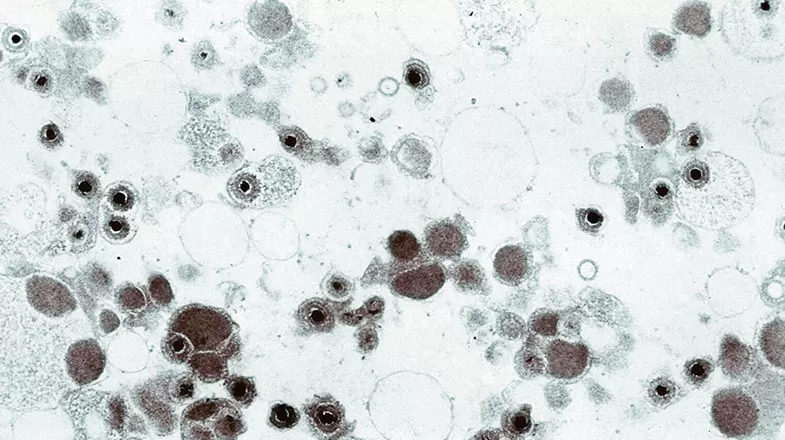
Advances in Cytomegalovirus Vaccine Development
While it may not be a household name, cytomegalovirus (CMV), a member of the herpes virus family, is incredibly common—many people acquire it as toddlers or adolescents, and a majority are infected by adulthood.1 In most people, CMV is harmless and causes no or few symptoms.2 However, it can pose a danger to babies infected in the womb along with immunocompromised adults.2 Roughly one out of every 200 babies are born with congenital CMV each year in the U.S., and 20 percent of those will...

Real People
Meet Dacia Young, a Senior Scientist within the Vaccine Research and Development Group at Pfizer
Meet Dacia Young, a Senior Scientist within the Vaccine Research and Development Group at Pfizer. Dacia has worked as a Scientist at Pfizer for more than 14 years, leading the assay development for our meningococcal disease vaccines since 2013. As a scientist working on vaccines in the middle of a pandemic, Dacia understands firsthand the tangible impact vaccines can have on public health. Now she’s discussing why she finds developing vaccines so rewarding, and explaining why she believes...

Adolescence – A Time for Vaccinations
Adolescent Health Concerns For many people in the U.S., adolescence is one of the healthiest times of life. Most parents hope to keep it that way for their young children and teenagers as they progress to young adulthood. The World Health Organization widely defines adolescence as a period of time that begins at the start of puberty and ends when an adult identity and behavior are accepted. Though the timing and extent of these changes may vary among young people, they usually happen from the...

Managing Your Mental Health During a Pandemic
The World Health Organization recently declared a pandemic in the wake of a global outbreak of the novel coronavirus disease (COVID-19). And while the majority of people affected by the disease will recover without any long-lasting consequences, there are many others who will suffer the short-term and long-term health effects of stress, anxiety and other mental health complications. We all respond differently to stress and anxiety. Our response is often based on our family upbringing...

Get the Facts About Vaccinations
To listen to a podcast on the story of the first vaccine, click here: https://www.pfizer.com/news/features/podcasts/the-antigen Vaccinations are recommended by doctors and scientists because of their proven benefits. Specifically, for children receiving them, vaccinations have been shown to prevent about 20 million illnesses and more than 40,000 deaths at a savings of $70 billion. Despite the evidence supporting the benefits of vaccines, a number of myths surround their use. Belief in these...

Create an Adult Vaccinations Checklist
Download the Adult Vaccinations Checklist Use this tool to help start a conversation with your healthcare provider about adult vaccinations. Many adults are behind on their vaccinations. Are you staying up-to-date? It’s important that you speak with your doctor or healthcare provider about the benefits of the vaccinations recommended by the Centers for Disease Control and Prevention (CDC). To learn more about which vaccinations are right for you and how often you should receive them, use this...

What’s Your Risk? The Five People Who Need Vaccines Most
Some people are more likely than others to develop infectious diseases. Want to know if you or someone you care for is at an increased risk of getting the flu or another vaccine-preventable disease? Check to see if you or the person you care for fits into any of the following five groups of higher risk individuals. People who are at higher risk should speak with their doctor about any needed immunizations to help keep their immunizations up-to-date. Children Infants and young children do not...

Vaccine Schedules for Infants, Children and Adults
The Centers for Disease Control and Prevention (CDC) recommends vaccination as a way to control and prevent disease outbreaks in the United States. Vaccine schedules include immunizations against contagious diseases such as measles, mumps, and pertussis, to name a few. You may have wondered how these recommendations are developed. The Advisory Committee on Immunization Practices (ACIP) is a group of medical and public health experts that develop recommendations on the routine administration and...

Acute vs. Chronic Cough: What Is It Really Trying To Tell You?
Want to be the least popular person in a crowd? Start coughing. You will surely draw the attention of everyone within earshot—and probably not in a good way. You may even notice people inching away from you and your perceived germs, (whether real or not). But, if strangers can interpret the signs and symptoms of a cough so quickly, why are we sometimes last to pay attention to it? Here’s what’s true: A cough is an important symptom that’s trying to tell you something.The Anatomy of a CoughYour...

Preventing Accidental Poisonings at Home
It’s always important to be aware of unintentional poisonings and to learn about poison prevention. Though many adults may not think a poisoning could happen to them or their children, many parents may not even be aware of what the dangers could be! According to the Centers for Disease Control and Prevention, every 13 seconds, a poison control center in the United States answers a call about a possible poisoning with more than 90% of these exposures occurring in the home. Additionally...

Adult Vaccination in Communities of Color
Each year, thousands of adults suffer from serious infectious diseases that in severe cases can result in hospitalization or even death. Even though there are vaccines available to help prevent a number of these potentially serious diseases, vaccination rates among U.S. adults remain low—lagging well behind federal goals and expert recommendations. Older African Americans and Hispanics are less likely than white adults to be vaccinated, leaving them at greater risk. And, with chronic diseases...

Cold vs Allergies: Which Is It?
You find yourself coughing, sneezing, and with a runny nose. At first you may think it’s a cold, but how do you know it’s not a seasonal allergy? Colds and seasonal allergies are both common, and they share some of the same symptoms. But they are very different conditions. What’s the difference? Colds and seasonal allergies both affect the respiratory system (i.e., nose, throat, lungs), but beyond that they are very different. The common cold is caused by viruses. Most people with a cold...
Media Resources & Contact Information
Anyone may view our press releases, press statements, and press kits. However, to ensure that customers, investors, and others receive the appropriate attention, Pfizer Media Contacts may only respond to calls and emails from professional journalists.