
Wellness Articles
Featured Articles
Read our latest stories on the people and scientific innovations making a difference in patients’ lives.

Living & Wellbeing
Understanding the Impact of COVID-19 and Tips for Those Living with a Chronic Inflammatory Disease
These patient advocates have been compensated by Pfizer in the past to share their stories. Some of these quotes and links also appear on Arthritis.com, a resource supported by Pfizer where people living with chronic inflammatory conditions can find inspiration, lifestyle advice, tools and disease information. The COVID-19 outbreak is impacting daily life around the world. Although questions remain as experts gather information to understand the coronavirus better, many valuable resources have...

Purpose & Ideals
Steps to a Stronger Doctor-Patient Relationship
ul.custom-margin { margin-top: 15px; } We’re dedicated to sharing the perspectives of people affected by chronic inflammatory conditions like rheumatoid arthritis (RA). That’s why we created Arthritis.com, a place where people living with RA can find inspiration, lifestyle advice, tools and disease information. Following is an article from Arthritis.com contributor and editorial board member Ara Dikranian, M.D. Dr. Dikranian was compensated by Pfizer to share his perspective as a...

Living & Wellbeing
How Clean Are Your Hands?
Daily commitment to good hand hygiene will help to protect not only yourself, but also those around you, against life-threatening infections every single day. How? Well, most of the germs that make us sick are transferred through direct or indirect contact with contaminated hands or surfaces. Our hands carry on average 3,200 different germs belonging to more than 150 species – of which some can be harmful and cause infection – and improved handwashing technique can reduce their transmission...
Science & Innovation
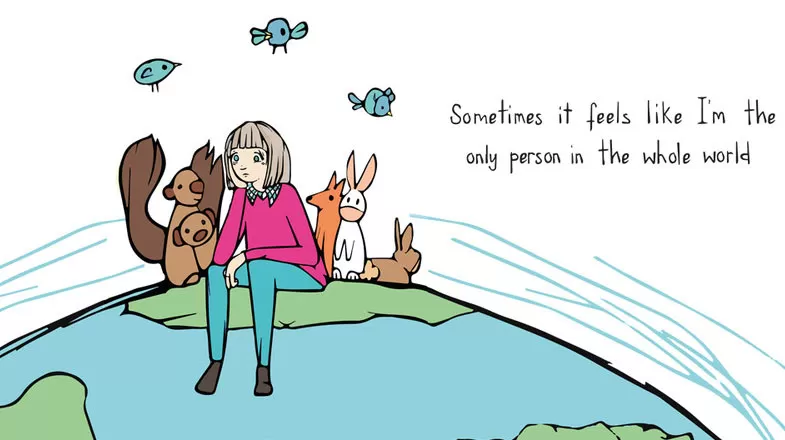
A Picture of Pain: What Life is Really Like with Chronic Pain
Almost everyone has experienced some type of acute, or temporary, pain in their lives. Acute pain is a protective response to tissue injury that typically resolves with the healing process and lasts less than three months. However, for one in five people around the world, their pain persists for longer than three months and is considered chronic. ,Some people may suffer from diseases or disorders that cause their chronic pain, while others may have an injury or accident that causes long-term or...

Living & Wellbeing
Menopause
Menopause is the time in a woman’s life after she hasn’t had her period for 12 months. It is a normal part of aging; however, some women can go through menopause early as a result of surgery or chemotherapy. Women experience menopause differently, but some of the more common indications include hot flashes or vaginal symptoms.

Living & Wellbeing
The Value of AFib Screening: Bridging the Gap Between the Undiagnosed and Early Detection
AFib and the Devastating Impact of StrokePeople who have atrial fibrillation, or AFib, are five times more likely to have a stroke.1 In 25 percent of people who suffer an AFib-related stroke, their stroke was the first sign of previously undiagnosed AFib – meaning they were unaware of having a condition that substantially increased their risk of stroke.2But first, what is AFib?AFib is a common type of irregular heartbeat. While the normal heart beats 60 to 100 times per minute, someone with AFib...

Little Ms. Excitable and Mr. Naïve: Meet Some Varied ‘Cell States’
They get excited. Sometimes they’re a little chatty. And they’ve been known to be naïve. We’re not describing your average teenager, but rather, we’re talking about our cells, the building blocks of life. We’re made up of some 37 trillion of them. And among this vast megalopolis of cellular matter are some 210 different cell types, from lymphocytes to beta cells to the more descriptively named chandelier and cartwheel cells (two types of neurons). Cells also perform a range of critical...

Decoding Longevity: 3 Genes Linked to Anti-Aging
The bowhead whale, the mammal with the longest known lifespan, can survive to 200, while the average rat lives only two to three years, and squirrels can often live over a decade. What explains a species’ longevity? There’s still much to learn when it comes to decoding the link between genetics and longevity, but, increasingly, studies into a range of genes are revealing tantalizing clues about the role that the genome plays in determining an animal’s lifespan. Here’s a look at three genes...

The Science Behind the Winter Blues
As the days grow darker and colder, many of us occasionally experience the winter doldrums. A small percentage of the US population (about 1 to 10 percent, depending on where you live), however, suffers a more severe form of the blues known as seasonal affective disorder (SAD), with symptoms such as feeling sluggish, agitated, hopeless, overly fatigued and changes in appetite. In the U.S., the prevalence of SAD is linked to how far north you live. The incidence of SAD is nearly 10 percent of the...

Bodily Functions Explained: Spicy Food Reaction
Spicy food contains chemicals that trick the body into cranking up its internal air-conditioning system, triggering responses from head to toe and involving everything from the respiratory to the circulatory system.It happens at dinner tables around the world every day. Something spicy — a chunk of chili pepper, perhaps — goes from fork to mouth, setting off a body-wide chain reaction.A burning sensation spreads across the lips and ignites the tongue. Mucous membranes, which protect the lungs...

Bodily Functions Explained: Goosebumps
A holdover from our prehistoric days, goosebumps are the end result of an adrenaline rush meant to ward off a big chill — or predators. It’s a common occurrence. A sudden freezing gust of wind or spike in air conditioning causes our hair to stand on end and our skin to prickle. If the chill is strong enough to dip your body temperature below 98.6 degrees, your skin sounds an alarm. Body muscles contract in quick bursts to generate heat and your hypothalamus triggers a rush of adrenaline. As...

Bodily Functions Explained: Itch and Scratch
Meant to remove invaders, either infectious or simply irritating, a scratch is human skin’s first line of defense.It happens every day. An irritant — a speck of dust, bit of errant clothing fiber, a tiny bug, perhaps — triggers nerve receptors on the skin to send an alert to the brain: “There is something foreign and potentially dangerous that needs to be removed. Now.”Receptors on specialized nerve cells translate that alarm message into “itch,” then specialized nerve fibers speed the itch...
Media Resources & Contact Information
Anyone may view our press releases, press statements, and press kits. However, to ensure that customers, investors, and others receive the appropriate attention, Pfizer Media Contacts may only respond to calls and emails from professional journalists.