
Pediatrics Articles
Featured Articles
Read our latest stories on the people and scientific innovations making a difference in patients’ lives.

One Pediatric Gastroenterologist’s Mission to Expand Pediatric Treatment Options
For Dr. Nicole Kulisek, the path from pediatric gastroenterologist to US Medical Affairs leader at Pfizer has always been guided by the same question: How can we expand access to effective treatments for children who need them most?From bedside care to drug development, her career reflects a belief that early intervention, paired with scientific rigor, can change the course of a child’s life. Today, that perspective shapes her work at Pfizer, where she helps advance IBD innovations aimed at...

Not for Granted: Pediatric Immunization Through Experts’ Lens
New survey fielded by Excellence in Pediatrics Institute, with support from Pfizer, aims to uncover challenges and find solutions to gaps in pediatric vaccination rates in Europe

Food Allergy 101: Tips for Families
Families who deal with food allergies understand how stressful it can be when certain ingredients can cause an uncomfortable reaction or even a life-threatening response for a loved one. May is Food Allergy Awareness Month, and Pfizer wants to help ensure that your Memorial Day cookouts—and the rest of your meals—go off without a hitch.Over the past 30 years, food allergies have become more common in people of all ages.2 They affect about 8% of children and nearly 11% of adults in the U.S.1, and...

Three Tips to Help Kids Manage IBS
When kids have irritable bowel syndrome (IBS), it can be hard to keep up with their friends and activities. IBS can cause kids to miss school, which may affect their academic development. The symptoms of IBS include abdominal pain or discomfort, bloating, diarrhea, and constipation.1More kids than ever have IBS. Recent decades have seen an increase in the number of young people with IBS, and today about 5% of children between ages of 4 and 18 have the condition.2,3 That means more parents than...
Listen Now—The Antigen Season 3 Explores Maternal Immunization
The Antigen, Pfizer’s flagship podcast returns with a three-part mini-series spotlighting maternal immunization. Vaccinations for pregnant people are not new, but they have historically been left out of the vaccine narrative. As maternal immunization is advancing vaccine science and innovation, this series delves into the history, the potential benefits of boosting infant immunity, and the role of maternal antibodies in helping protect infants. We’ll also explore the challenges of maternal...

Maternal Immunization: Protecting Children from RSV and GBS
In the first few months of their lives, infants experience new sights, sounds, scents, and textures. During this time, they also make contact with new organisms. It takes up to three months for portions of infants’ still-developing immune systems to mature.1 During these early weeks and months, infants are too young to receive their first vaccines, leaving them vulnerable to developing serious infections.2Most pregnant people transmit antibodies to their developing fetuses naturally starting in...

Adolescence – A Time for Vaccinations
Adolescent Health Concerns For many people in the U.S., adolescence is one of the healthiest times of life. Most parents hope to keep it that way for their young children and teenagers as they progress to young adulthood. The World Health Organization widely defines adolescence as a period of time that begins at the start of puberty and ends when an adult identity and behavior are accepted. Though the timing and extent of these changes may vary among young people, they usually happen from the...

Getting the Facts About Some Common Pregnancy Complications
Many mothers envision having an uneventful pregnancy with little to no symptoms and the delivery of a healthy, full-term baby. Thankfully, most pregnancies and deliveries go on without a hitch. However, for some expectant mothers, health problems do occur. The good news is that only 8% of pregnancies involve complications. These complications can involve the mother, baby or both. Even women who were healthy prior to getting pregnant can have complications. Though not all complications can be...

Get the Facts About Vaccinations
To listen to a podcast on the story of the first vaccine, click here: https://www.pfizer.com/news/features/podcasts/the-antigen Vaccinations are recommended by doctors and scientists because of their proven benefits. Specifically, for children receiving them, vaccinations have been shown to prevent about 20 million illnesses and more than 40,000 deaths at a savings of $70 billion. Despite the evidence supporting the benefits of vaccines, a number of myths surround their use. Belief in these...

Living With Hemophilia
There are currently around 20,000 males in the United States who are living with hemophilia. (Women, who are genetic carriers of the disease, very rarely experience any of the condition’s symptoms.) "Hemophilia comes in several shades of gray, and not everyone who has the condition will be affected in the same way,” says Bartholomew J. Tortella, MD, Medical Director on Pfizer’s Hemophilia team. That said, most boys and men with hemophilia, and those caring for them, will face similar...

Tips to Eating Well
Download the Tips to Eating Well Checklist PDF The foods you eat can affect your health, so it’s important to make smart food choices. Healthy eating will help you control: Weight Blood pressure Blood sugar (if you have diabetes)
Hemophilia Q&A
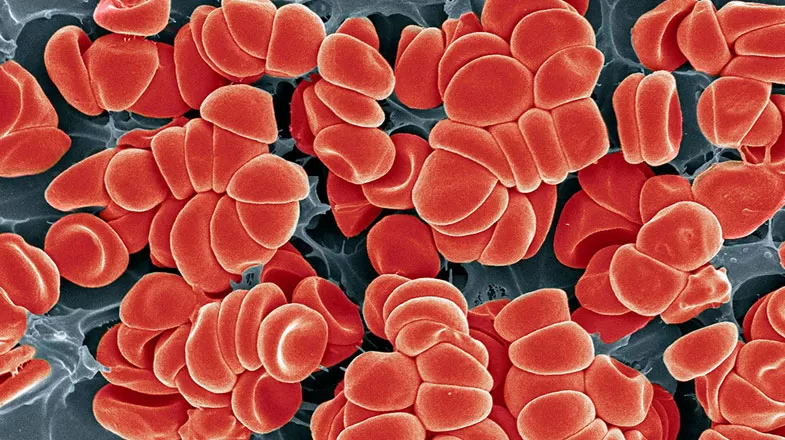
Q: What is hemophilia? A: Hemophilia is a blood disorder that primarily affects males. People who have hemophilia tend to bleed for longer periods of time following an injury or surgery. This happens because they have little, or even none, of a protein called clotting factor. Clotting factors help your blood form clots, which play an important role in stopping bleeding. There are many of these clotting factors in the body that are needed for the blood to clot properly. People with...
Media Resources & Contact Information
Anyone may view our press releases, press statements, and press kits. However, to ensure that customers, investors, and others receive the appropriate attention, Pfizer Media Contacts may only respond to calls and emails from professional journalists.