
Articles
Featured Articles
Read our latest stories on the people and scientific innovations making a difference in patients’ lives.
August Social Media Round-Up—the Summer Games, Girls Who Code, and More
Pfizer closed out the summer months with a splash. This August, our leadership highlighted the passion and dedication of Pfizer colleagues who participated or attended this summer’s games, recognized the hard work of the Pfizer Oncology team, and welcomed the next generation of talent through the Girls Who Code program.Take a moment to see what else our leadership has been up to then head over to our corporate social accounts where we showcase the Global Health Fellows program, shine a light on...

PfizerForAll Strives to Simplify How You Access Healthcare
It’s not breaking news to say that healthcare in the U.S. is complicated.Whether prepping for flu season, wrangling a doctor’s appointment, or contending with a chronic — or seasonal — illness, the already harrowing logistics of caring for yourself and your loved ones are made even more challenging by a confusing and frustrating healthcare landscape.According to a survey by the American Academy of Physician Associates, 65% of Americans say coordinating and managing healthcare is overwhelming and...

The ABCs (and WYs) of Meningococcal Meningitis
Back to school season is here!It’s a change of gear for families as the carefree days of summer come to a close and new refreshed routines start as does a new school year. Sunscreen and swimming give way to backpacks and homework—and an upsurge in sick days as kids gather in classrooms and school buses.As you prepare your kids for a new year, it’s important to help protect their health from the myriad germs and viruses that spread throughout fall and winter. One particularly concerning disease...

A New Road to Migraine Relief
Migraine, a debilitating neurological disorder,1 affects over a billion people globally.2,3 The cause of migraine remains an active area of research–experts believe genetics, the nervous system, and the brain's blood vessels are involved in the condition.4,5 The majority of people have episodic migraine, experiencing between 0-14 days of headache per month.6 On the other hand, those with chronic migraine experience 15 or more days of headaches a month, with at least 8 of those days caused by...

Global Health Fellows: Partnering to Strengthen Health Systems
Recently, Ellen Gerstein, Pfizer's Senior Director of Digital Communications, visited Africa as part of our Global Fellows Program. She shares her experience in this article.At Pfizer, we’re driven by our Purpose—to deliver breakthroughs that change patients’ lives. That Purpose has never been more clear to me than during my experience partnering with North Star Alliance through Global Health Fellows—Pfizer’s signature skills-based volunteering program.Since 2003, Global Health Fellows has...

Pfizer Sponsors Essence Festival for Third Consecutive Year
Last month, over the long 4th of July holiday weekend, Pfizer attended and sponsored the Essence Festival of Culture, the largest festival in the U.S., attracting over 500,000 attendees to New Orleans, for the third consecutive year. Since 2022, Pfizer has supported the Essence Festival to empower Black communities to advocate for their health and the health of their loved ones.This year’s sponsorship, led by the Vaccine Adoption & Equity (VAE) team, featured collaborations with Pfizer’s Sickle...
Living Our Values Through Pfizer’s Refugee Initiatives
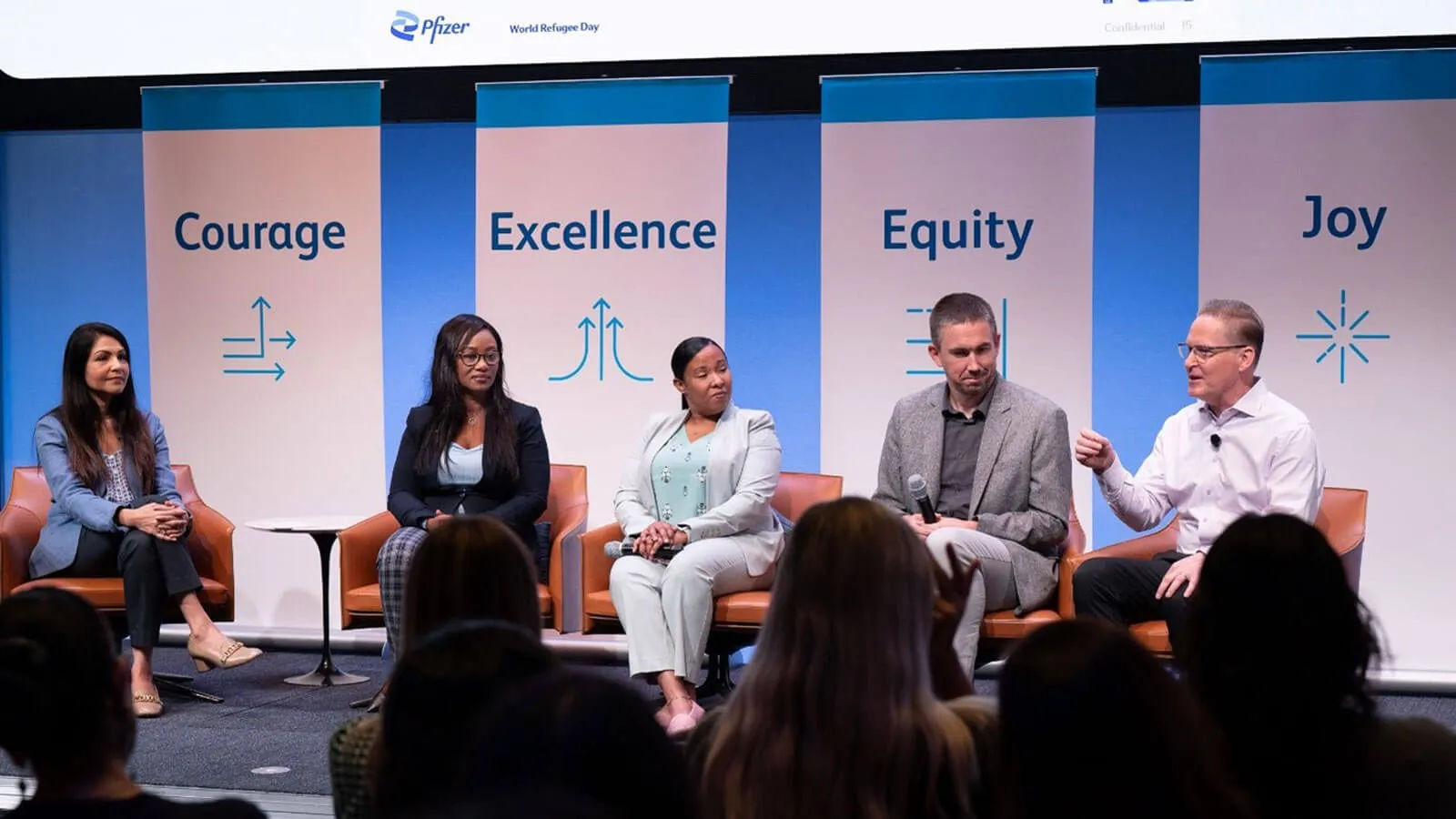
According to the United Nations, 120 million people are expected to be forcibly displaced worldwide by 2025. This is a record level of displacement. Despite the scale of the crisis, only a small fraction, 1% of these individuals, are resettled into permanent homes, leaving the vast majority in a state of limbo.Pfizer's commitment to supporting refugees is a cornerstone of our corporate responsibility. Payal Sahni Becher, Chief People Experience Officer, was a refugee from Afghanistan and...

July Social Media Round-Up—Summer Interns, 175 Days of Good, and More
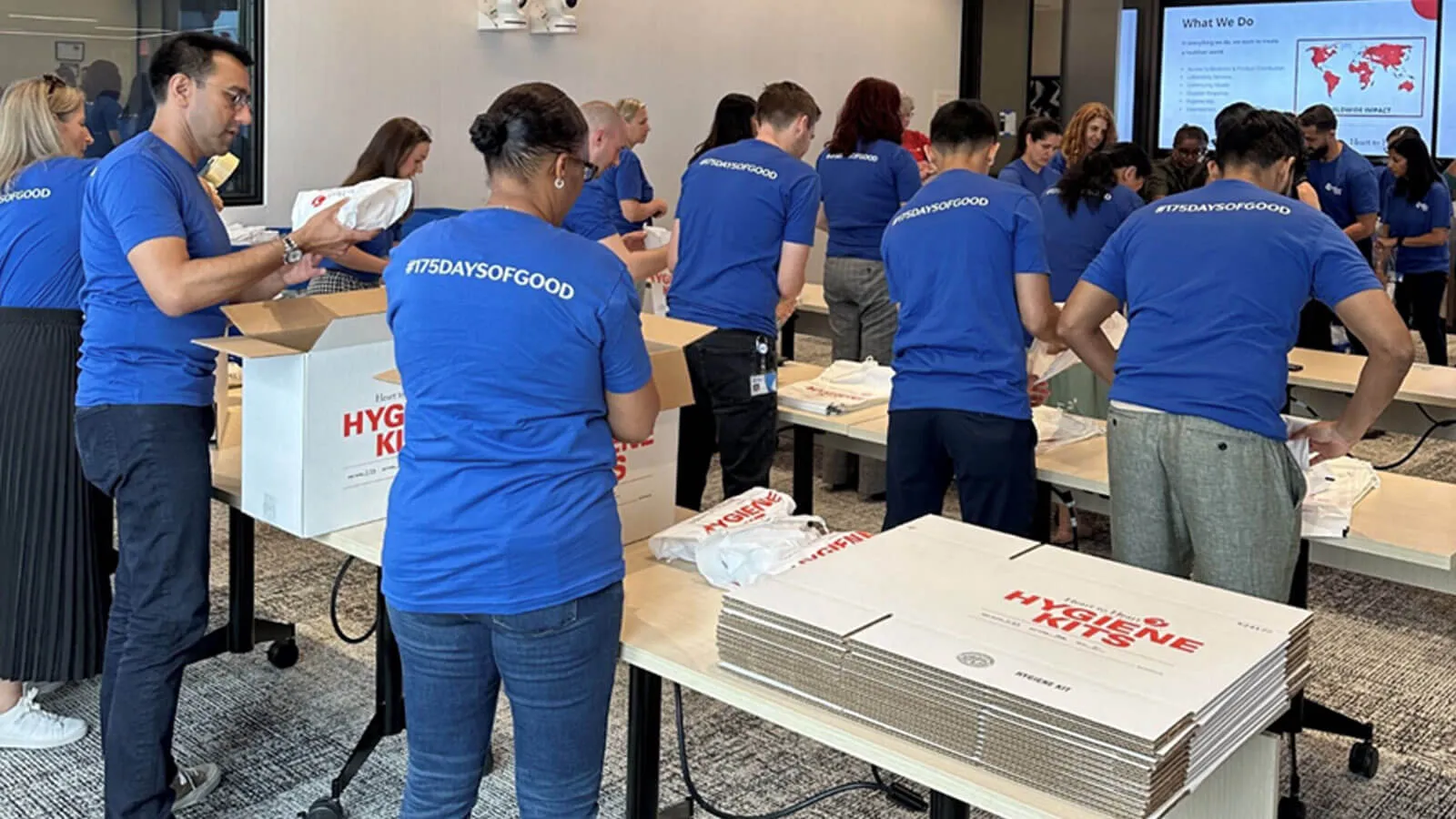
Pfizer jumped into the summer holidays with another eventful month. This July, we recognized the accomplishments of our leadership team, gave back to our communities by leading volunteer events for “175 Days of Good”, and shared positive results from various clinical trials.See what our leadership has been up to then catch up on our corporate social accounts where we shine a spotlight on Pfizer partners, colleagues, and communities.Stay tuned for more updates!Executive LeadershipCEO Albert...
Uninhibited: Fostering Conversation Within the IBD Community
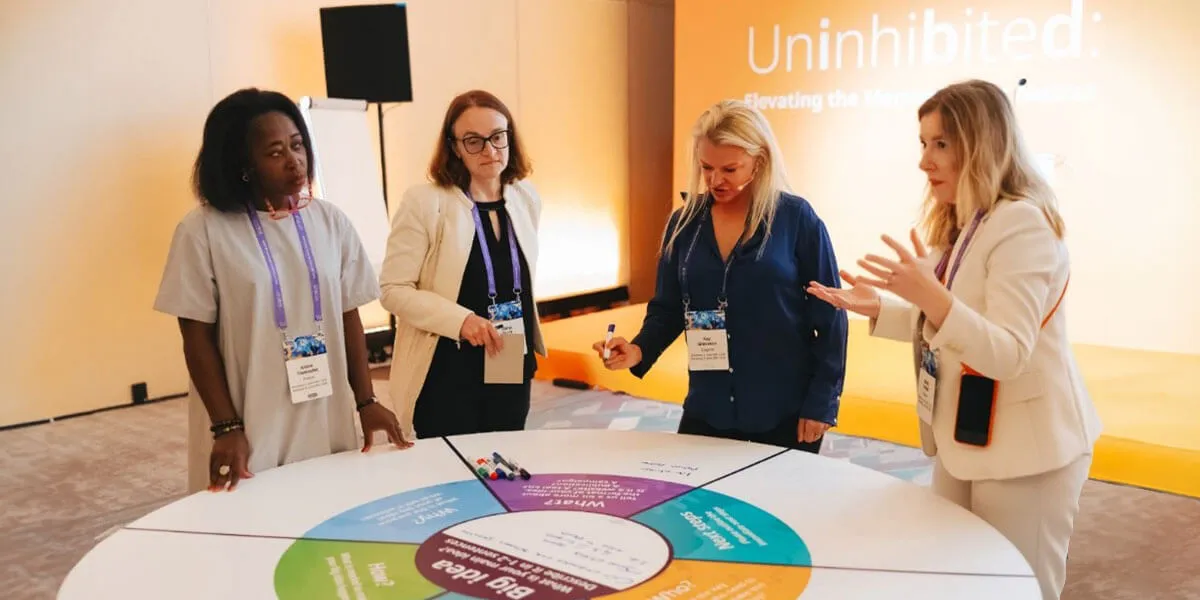
What does it mean to be Uninhibited? To Pfizer and the inflammatory bowel disease (IBD) community, it’s a mindset.A willingness to share and be vulnerable. To work together to pave the way to a better future for all those impacted by IBD.The spirit of Uninhibited was evident throughout Pfizer’s inaugural Global IBD Community Summit in June, a unique event gathering stakeholders from around the globe in Warsaw, Poland.Forging an Uninhibited Future – TogetherOver the course of two days, Pfizer...

Gender Differences in Coping with Migraine
Imagine having a condition that impacts your everyday life and realizing your gender could shape your experience and approach to managing it. This is the reality for many with migraine, as revealed in a recent episode of the National Headache Foundation (NHF) InSights podcast hosted by Pfizer.The episode delves into an NHF survey of 1,001 people with migraine that examined the impact of the condition on people's lives. The findings highlight the debilitating nature of migraine, including the...

Clinical Trial Innovation: Putting the Patient First in Clinical Trial Design
Every day, across the United States and around the world, scientists are developing potential new medicines and vaccines that could change lives. But to get medicines and vaccines to the patients who need them most, they must first undergo a clinical trial, which is a research study that seeks to understand how potential medicines and other medical treatments work.These studies depend on the generosity of participants, who volunteer to be a part of the trial. Depending on the type of trial...
Pfizer Sites Across the U.S. Commemorate Juneteenth
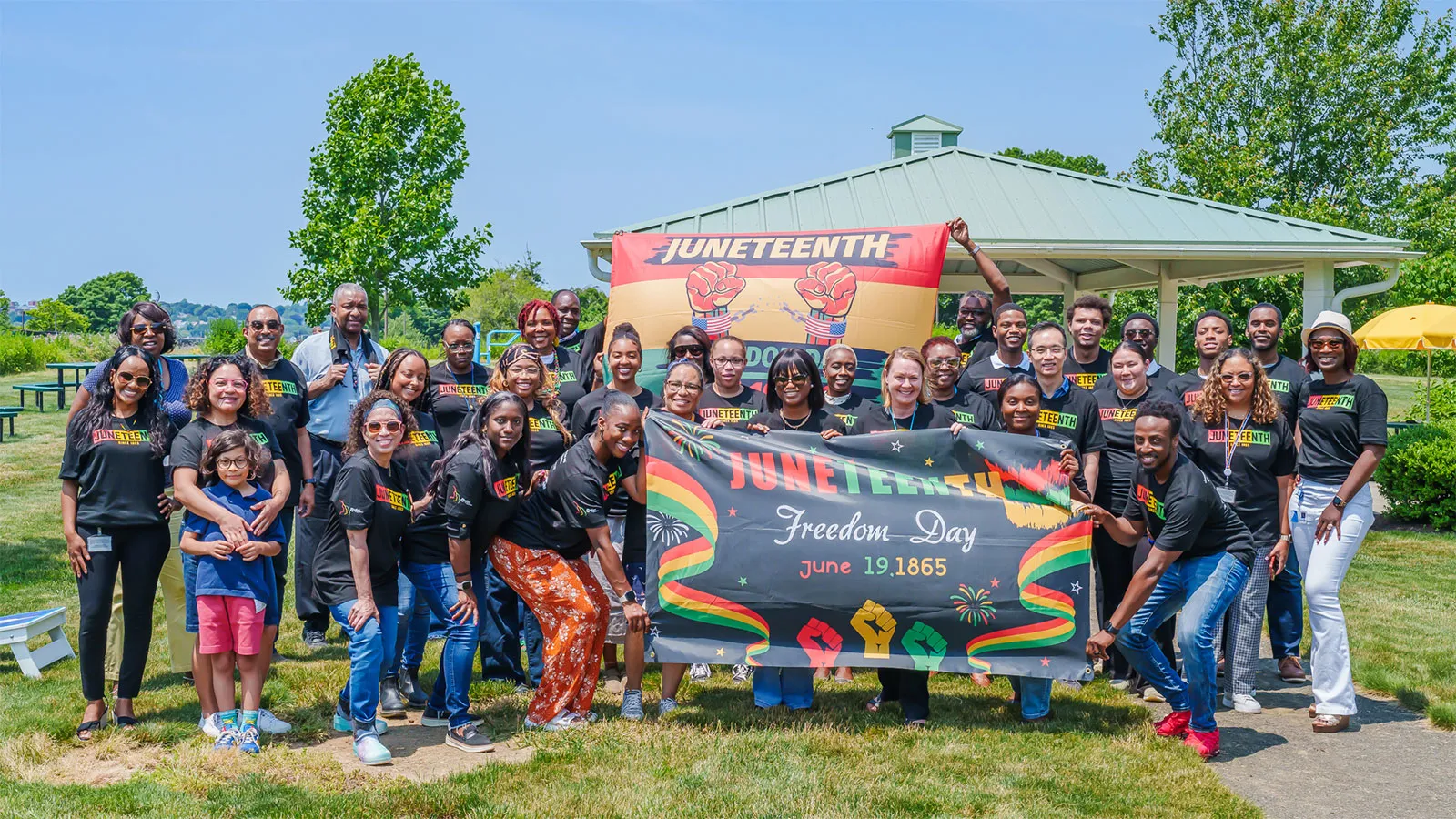
Last month, in recognition of Juneteenth, Pfizer’s Global Black Community (GBC) colleague resource group commemorated the recently enacted Federal holiday with a collection of events at Pfizer sites across the country. Colleagues from Bothell, Washington to Cambridge, Massachusetts fostered a sense of solidarity and honored our shared legacy by organizing activities such as barbecues, networking socials, flag ceremonies, drum circles, speaker events, freedom walks, educational booths, community...
Media Resources & Contact Information
Anyone may view our press releases, press statements, and press kits. However, to ensure that customers, investors, and others receive the appropriate attention, Pfizer Media Contacts may only respond to calls and emails from professional journalists.