Multiple Myeloma: Shedding Light on a Rare but Complex Blood Cancer

Donna is more than a cancer patient: Donna is a wife, mother, grandmother, sister, and friend who has a full life outside of treatment. Her journey with multiple myeloma has revealed depths of resilience and strength that have long served her in all of those roles.
“We have multiple myeloma…but that should not define us,” Donna shared in a recent video interview.
It’s a message that Max Merz MD, MHBA, hematologist/oncologist and associate attending physician at Memorial Sloan Kettering Cancer Center builds his care around.
“You are not supposed to live your life around our treatment, but we have to arrange our treatment around your life,” Merz explained in the Pfizer video.
Understanding Multiple Myeloma
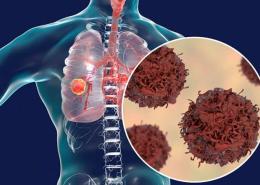
Multiple myeloma is an overgrowth of plasma cells, crowding out normal blood cells, and the production of abnormal antibodies; these antibodies are called monoclonal immunoglobin or monoclonal proteins (M-proteins).1 Healthy plasma cells make antibodies that help fight infection.2
Multiple myeloma can affect the blood, bones and organs, leading to fatigue, weakness, infection, bone pain, loss of appetite, weight loss and decreased kidney function.2
The risks of being diagnosed with multiple myeloma increase with age and are higher for men, Black people, and those with family history of the disease.3 Multiple myeloma is the second most common type of blood cancer with 36,000 new cases diagnosed in the U.S. and more than 187,000 new cases diagnosed globally every year.4,6
Treatment for multiple myeloma can depend on several factors, including the type and stage of cancer, but has traditionally included chemotherapy and stem cell transplants.7,9 The main goals of treatment include achieving disease control with acceptable toxicity, improving quality of life, and prolonging survival.8
Making a Difference for Patients
Multiple myeloma is currently incurable but recent research has advanced treatment options, changing how the disease is managed and improving outcomes.9
Despite treatment advances, this type of cancer can commonly relapse and progress.10 Multiple myeloma is also known for its heterogeneity, which means that there are differences between cancer cells within a single tumor that makes them harder to target.10,11
The five-year survival rate for multiple myeloma is 61% and patients often receive several rounds of therapies. After each relapse, the risk of treatment resistance increases and remissions and duration of response become shorter, taking a devastating physical and emotional toll on patients and their loved ones.5
But there are two types of treatments that are showing promise for the treatment of multiple myeloma: targeted therapy and immunotherapy.9
Targeted therapy: Some drugs can shut down the proteins that cause cancer cells to grow, divide and spread.9
Targeted therapy approaches include targeting epigenetic regulation of cancer cells, or using drugs to target the ways cancer cells are turned on and off, and monoclonal antibodies, which are immune system proteins that are created in the lab to bind to cancer cells and to kill them directly or use the immune system to kill them.9
Immunotherapy: These treatments use the body’s immune system to fight cancer.9
Chimeric antigen receptor (CAR) T cells use a type of immune cell called a T cell, to attack cancer cells. The cells are changed in the lab and reintroduced to the bloodstream and are considered the most personalized therapy for multiple myeloma.9 The FDA recently approved CAR T therapy for patients with early relapsed/refractory multiple myeloma.12 Research is ongoing to evaluate whether CAR T therapy could be used as initial treatment for multiple myeloma instead of stem cell therapy.9
On the Forefront of Innovation
Pfizer has developed treatments for several types of blood cancer, including multiple myeloma, and continues exploring a range of novel and differentiated molecules to continue to drive the next wave of treatment advancements to for those diagnosed with multiple myeloma.
In the video above, Donna shared that assessing treatment options for her high-risk, aggressive multiple myeloma required evaluating a lot of information and engaging in shared decision-making with her doctor.
“[It’s] always helpful to have information about novel therapy options as we look toward the future,” Donna shared in the video. “I think it’s important that I discuss treatment goals with my doctor and understand the potential risks of each option. Then, we can make a decision about what’s best for me and my lifestyle.”
Living with multiple myeloma looks different for everyone. Engage in candid conversations with your healthcare providers about available treatment options and your personal priorities.