
Article
Featured Articles
Read our latest stories on the people and scientific innovations making a difference in patients’ lives.
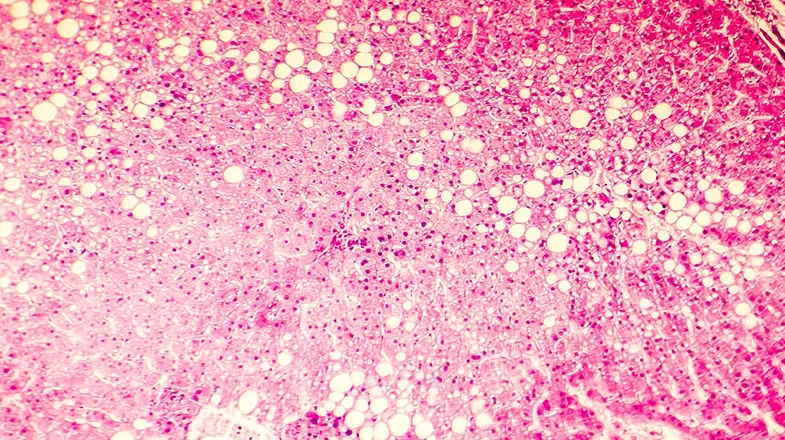
Could Diversity in Clinical Trials Be the Key to Understanding Liver Disease?
In a New Yorker article about how evolutionary psychology findings are usually based on surveys of undergraduates, Anthony Gottlieb wrote, “American college kids, whatever their charms, are a laughable proxy for Homo sapiens.” Biomedical research can suffer from a similar bias: Subjects don’t always represent the full range of patients in terms of gender, race and ethnicity. But why is it important to have diversity among subjects in clinical trials? One benefit is that involving a diverse...
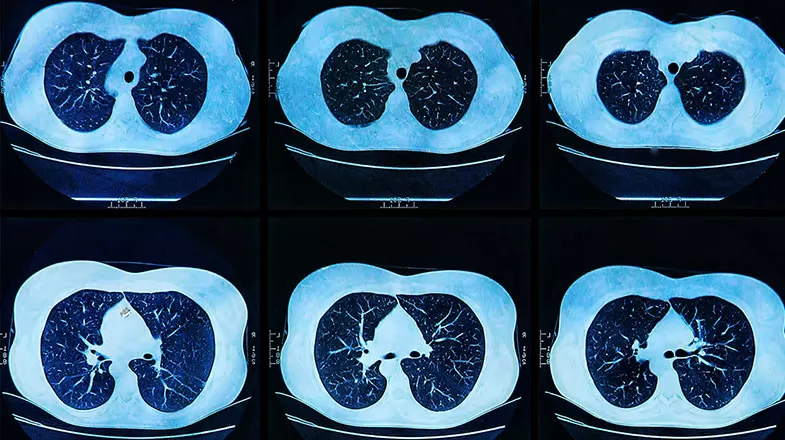
Getting a Medicine to the Brain Is a Major Challenge in Drug Design: How This Scientist Solved It
For cancer patients who have been treated with a particular medicine for some time, one of the hurdles many of them face is the tumor developing a resistance to the medicine. It’s a cruel twist that can affect patients being treated for non-small cell lung cancer, which can mutate and begin attacking the brain. Lung cancer accounts for most cancer-related deaths in the U.S., with non-small cell lung cancer being the most common type,, so the scope of the problem is broad. But if lung cancer...

How a Former Neuroscience Researcher Is on a Mission to Close the Diversity Gap in Clinical Trials (Q&A)
When the Food and Drug Administration (FDA) recently gave a presentation on diversity in clinical trials, Dr. Ricardo Rojo wasn’t surprised to hear that — at least for medicines where gender is not overtly relevant — research participants today are predominantly white men. Rojo, Pfizer’s first Global Lead for Diversity in Clinical Trials, is on a mission to change this. For years, the FDA, the pharmaceutical industry and various stakeholders have been working to improve racial, ethnic and...

Prized Research Skill? Fluency in Computer Science and Biology
How Computational Biology Is Driving Treatment Breakthroughs Growing up in South India, Shobha Potluri only knew of two acceptable career paths—engineer or doctor. She chose an engineering college in her home state of Andhra Pradesh and zeroed in on computer science. When she went on to get her master’s degree, she had a career-changing moment when she learned that her “geek” skills could be applied to solve biological problems, and help develop better treatments for sick people. Potluri...
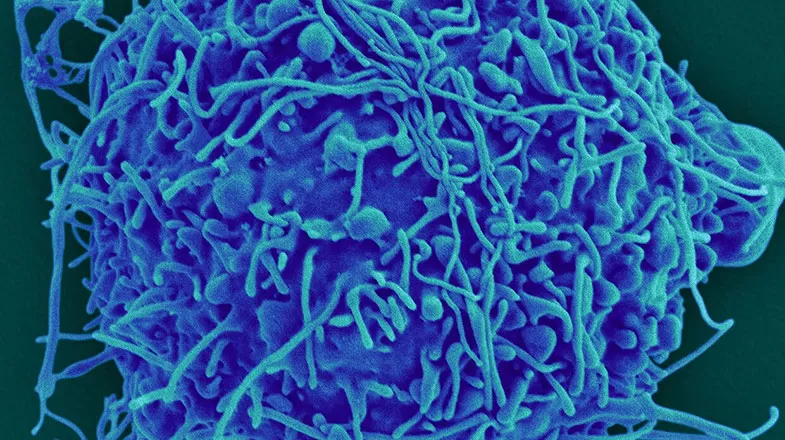
The ‘Immortalized’ Cells That Sparked an International Incident and Their Role in Producing Medicines
Proteins are the rock stars of biological molecules. They allow cells to carry out crucial functions like growth and differentiation, and enable cells to adapt to changing environments. Because dysfunction in certain proteins can cause disease, manipulating proteins is also the foundation of developing new medicines. But where do we get enough building blocks to actually manufacture the medicines that patients take? It turns out that living cells—which make proteins as part of a day’s work...
Living & Wellbeing
The Value of AFib Screening: Bridging the Gap Between the Undiagnosed and Early Detection
AFib and the Devastating Impact of StrokePeople who have atrial fibrillation, or AFib, are five times more likely to have a stroke.1 In 25 percent of people who suffer an AFib-related stroke, their stroke was the first sign of previously undiagnosed AFib – meaning they were unaware of having a condition that substantially increased their risk of stroke.2But first, what is AFib?AFib is a common type of irregular heartbeat. While the normal heart beats 60 to 100 times per minute, someone with AFib...
Common Misconceptions About Leukemia Explained
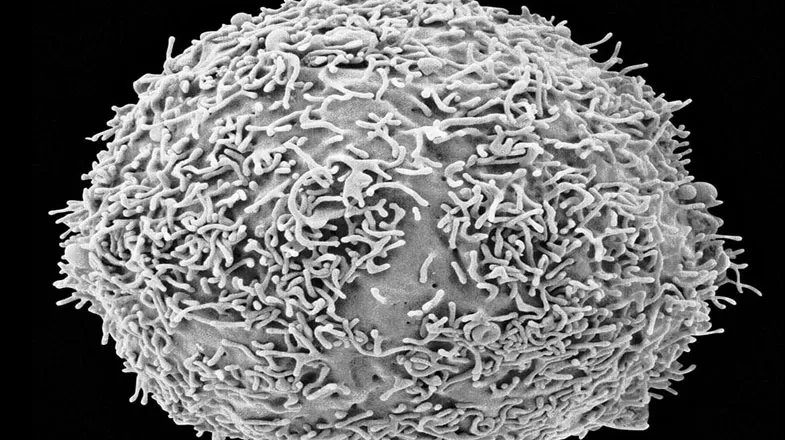
More than 62,000 people in the U.S. are diagnosed with Leukemia a year, a severe blood cancer, where the bone marrow produces abnormal cells.Leukemia, a name derived from the Greek words for “white blood,” is a cancer of the blood cells that begins in the bone marrow, the spongy tissue inside our bones that serves as our body’s blood cell factory. When a patient has leukemia, abnormal immature white blood cells (called blasts) multiply uncontrollably, filling up the bone marrow, and preventing...

Hiding In The Crowd: Designing Therapies To Evade Immune Detection
Using computer modeling and DNA sequencing, scientists are building better biologic medicines that are potentially invisible to the immune system. Biologic medicines have greatly improved the lives of many patients, in particular with chronic autoimmune conditions such as rheumatoid arthritis, Crohn’s disease, multiple sclerosis and even some cancers. But the challenge with these protein-based medicines, which are made from living cells, is that some patients, over time, develop an immune...
International Project to Help Detect a Liver Disease Called NASH Gets $35M Boost
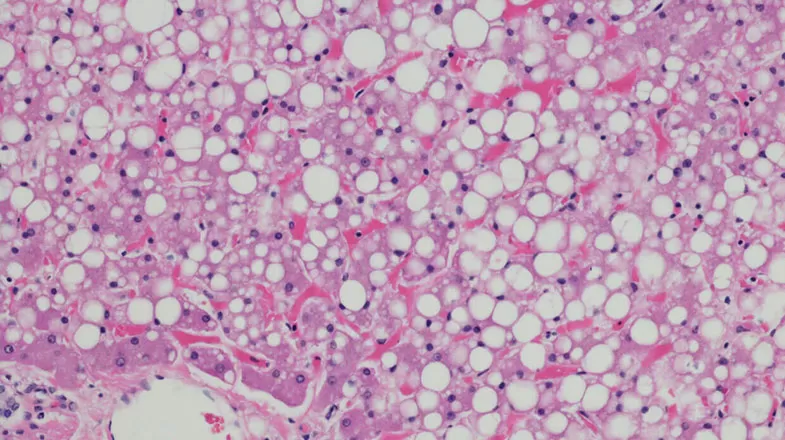
Imagine if the only way to know whether you have diabetes was for a doctor to take a biopsy of your pancreas, rather than being able to check your glucose levels using a simple blood test. That is the current state of affairs for a disease known as NASH (non-alcoholic steatohepatitis) in which the liver is damaged by inflammation due to a buildup of fats. NASH is a progressive subtype of non-alcoholic fatty liver disease (NAFLD). Associated risk factors for NAFLD, NASH and the later stages of...

Are Genetic Tweaks Made by Gene Therapy Handed Down to Offspring?
The possibility of finding a treatment or even a cure for genetic disorders such as muscular dystrophy or hemophilia has taken a giant leap forward in recent years with the advent of gene therapy as a way to modify a defective gene or group of genes. But would those changes be handed down to that person’s offspring? In general the answer is no, except in a very specific circumstance that isn’t being pursued by pharmaceutical researchers as a potential therapy. But to understand why those...
Metabolism and Immunology: Using Lessons From Metabolic Diseases to Treat Autoimmune Disorders
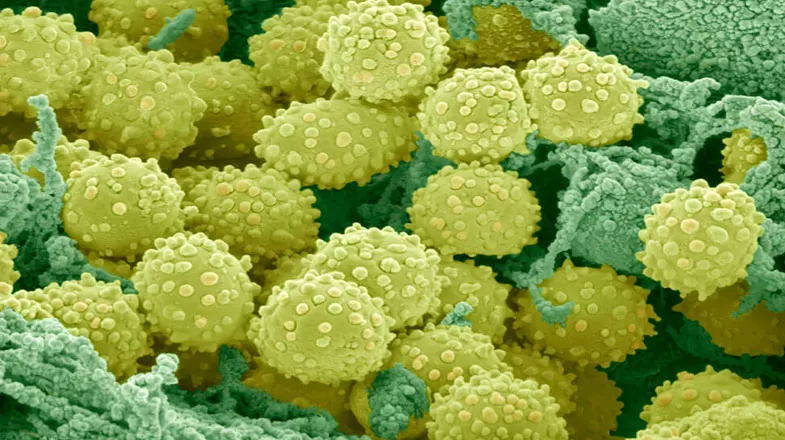
By regulating the metabolism of immune cells, researchers are uncovering novel ways to suppress inflammation and treat autoimmune diseases. Scientists have long recognized that metabolic-related disorders such as heart disease, type 2 diabetes and obesity have links to inflammation. But what if the converse were also true? What if inflammatory conditions such as rheumatoid arthritis and inflammatory bowel disease had a metabolic component to them? In recent years, researchers in the burgeoning...

What Is a Virus and What Makes Them Both Fearsome and Useful?
Even people who are in the best of health occasionally battle the common cold or the flu — both caused by viruses. In the case of the common cold, the rhinovirus is most often the culprit. In the case of the flu, it’s the various permutations of the influenza virus. And those are just two types in a panoply of viruses that inhabit our world, including polio, rabies, Zika and Ebola. But what exactly is a virus? How is it different from bacteria? And how can a microbe that is believed to be one...
Media Resources & Contact Information
Anyone may view our press releases, press statements, and press kits. However, to ensure that customers, investors, and others receive the appropriate attention, Pfizer Media Contacts may only respond to calls and emails from professional journalists.