
Article
Featured Articles
Read our latest stories on the people and scientific innovations making a difference in patients’ lives.

Metabolic Syndrome: What's Your Risk?
Learn about the risk factors for this serious health condition and how to discuss your personal risk with your doctor Metabolic syndrome is a combination of health-related risk factors that, when they occur together, increase your risk for cardiovascular disease. The more of these risk factors you have, the higher your chances of developing serious health issues such as heart disease, stroke and type 2 diabetes. According to the National Institutes of Health (NIH), a person who has metabolic...

Living With Hemophilia
There are currently around 20,000 males in the United States who are living with hemophilia. (Women, who are genetic carriers of the disease, very rarely experience any of the condition’s symptoms.) "Hemophilia comes in several shades of gray, and not everyone who has the condition will be affected in the same way,” says Bartholomew J. Tortella, MD, Medical Director on Pfizer’s Hemophilia team. That said, most boys and men with hemophilia, and those caring for them, will face similar...

Tips to Eating Well
Download the Tips to Eating Well Checklist PDF The foods you eat can affect your health, so it’s important to make smart food choices. Healthy eating will help you control: Weight Blood pressure Blood sugar (if you have diabetes)

Is it Sore Joints—or RA?
We often think of arthritis as general joint pain or loss of mobility that comes along as we get older. Arthritis is an umbrella term for more than 100 different diseases and can impact young people as well as old. Rheumatoid arthritis (RA) is one of the most common types. Read on to learn more. What is RA? RA is a chronic, systemic autoimmune disease that can be painful and disabling. An estimated 1.5 million people in the United States have RA, and nearly three times as many women as men...

Breast Self-Exams: Should You Do Them?
For many years, we women were told to examine our breasts at least monthly to check for signs of breast cancer. In medical school, my fellow students and I learned how to teach our patients to examine their breasts. It’s a multi-step process that takes several minutes – checking your breasts in the shower, in the mirror, lying on your back (maybe you’ve seen diagram-heavy brochures -- still a staple in many college and community health centers). But in recent years, some medical organizations...

Exploring the Manufacturing and Testing Processes of Pharmaceuticals
When a doctor prescribes you a medicine, how does she know it could be helpful? Your doctor relies on experience, medical knowledge and training, but also on information and conclusions drawn from clinical trials. Clinical trials are research studies that test a medical intervention aimed at treating, diagnosing, or preventing a disease or health condition in human volunteers. The intervention could be a drug, a medical procedure or device, or a behavioral therapy, such as diet or exercise. Some...

Managing Sickle Cell Disease as an Adult
People with sickle cell disease (SCD) are now living longer than they did in previous decades. Doctors have a better understanding of the disease, are able to diagnose it earlier, and can more readily treat and prevent the infections the disease can cause. And thanks to new ways to treat and manage the condition, patients are now more aware of what they can do to live healthier, for longer. Still, there is currently no widely available or acceptable cure for the inherited blood disorder...

Sickle Cell Trait vs. Sickle Cell Disease
Millions of people worldwide are affected by the sickle cell blood disorder. About 100,000 people in the U.S. have sickle cell disease. It mostly affects African Americans, but it can also affect people from Hispanic, southern European, Middle Eastern and Asian Indian backgrounds.Another 2.5 million people in the U.S. have sickle cell trait (SCT). But having sickle cell trait (SCT) is not the same as having sickle cell disease (SCD).What is the difference between having sickle cell trait and...

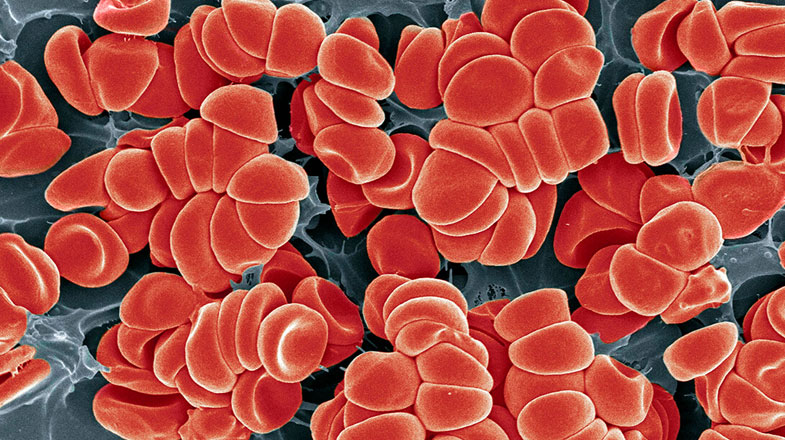
Hemophilia Q&A
Q: What is hemophilia? A: Hemophilia is a blood disorder that primarily affects males. People who have hemophilia tend to bleed for longer periods of time following an injury or surgery. This happens because they have little, or even none, of a protein called clotting factor. Clotting factors help your blood form clots, which play an important role in stopping bleeding. There are many of these clotting factors in the body that are needed for the blood to clot properly. People with...

Finding the Key to Alzheimer’s Dementia
I recall very vividly one of my patients who couldn’t see that his Alzheimer dementia (AD) symptoms were changing. Despite concerns from family members and his primary care doctor, this patient continued to drive. A quick brainstorm with the family led to my suggesting that they hide the car keys. Unfortunately, this caused frustration for both my patient and the caregivers. Every day he would search for the keys, going through every inch of the house and leaving a trail of disarray behind him...
Media Resources & Contact Information
Anyone may view our press releases, press statements, and press kits. However, to ensure that customers, investors, and others receive the appropriate attention, Pfizer Media Contacts may only respond to calls and emails from professional journalists.