
Article
Featured Articles
Read our latest stories on the people and scientific innovations making a difference in patients’ lives.

‘Bucket Brigades’ Gone Rogue: A New Path to Shutting Down Cancer Growth
A critical pathway in our cells acts like a bucket brigade, efficiently passing on signals that control cellular growth. But what happens when one set of “hands” on the line goes rogue? The mitogen-activated protein kinase (MAPK) pathway is a chain of proteins that relays signals from outside the cell into the nucleus, controlling cellular growth and death. When this essential pathway malfunctions, it may lead to more than just chaos—it may determine how cancer progresses. If one of these...

How a Former Neuroscience Researcher Is on a Mission to Close the Diversity Gap in Clinical Trials (Q&A)
When the Food and Drug Administration (FDA) recently gave a presentation on diversity in clinical trials, Dr. Ricardo Rojo wasn’t surprised to hear that — at least for medicines where gender is not overtly relevant — research participants today are predominantly white men. Rojo, Pfizer’s first Global Lead for Diversity in Clinical Trials, is on a mission to change this. For years, the FDA, the pharmaceutical industry and various stakeholders have been working to improve racial, ethnic and...
Prized Research Skill? Fluency in Computer Science and Biology
How Computational Biology Is Driving Treatment Breakthroughs Growing up in South India, Shobha Potluri only knew of two acceptable career paths—engineer or doctor. She chose an engineering college in her home state of Andhra Pradesh and zeroed in on computer science. When she went on to get her master’s degree, she had a career-changing moment when she learned that her “geek” skills could be applied to solve biological problems, and help develop better treatments for sick people. Potluri...
When Cancers Develop Resistance, ‘Stealthy’ Medicines Can Help
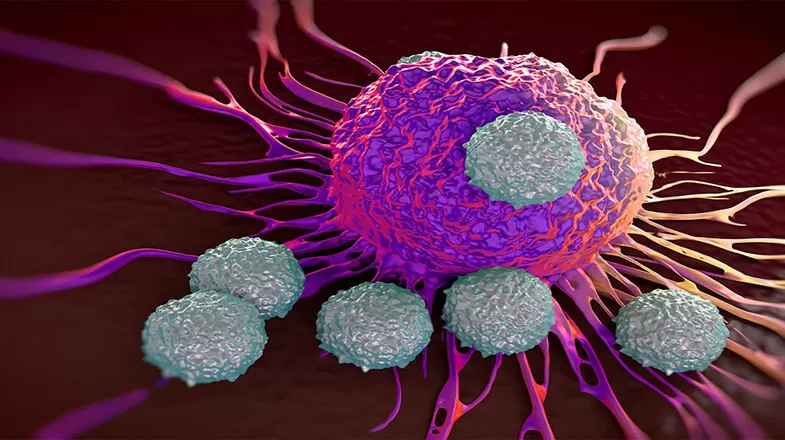
In the quest for better cancer therapies, Dr. Martin Edwards is one of the scientists on the frontlines informally known as “drug hunters.” His preoccupation these days is hunting for medicines that are more “stealthy” in their fight against cancer tumors—especially tumors that are resistant to conventional treatments. “There are people today who get cancer for which there is no treatment. Our job is to invent medicines that provide options and give them hope,” says Edwards, Vice President and...
Common Misconceptions About Leukemia Explained
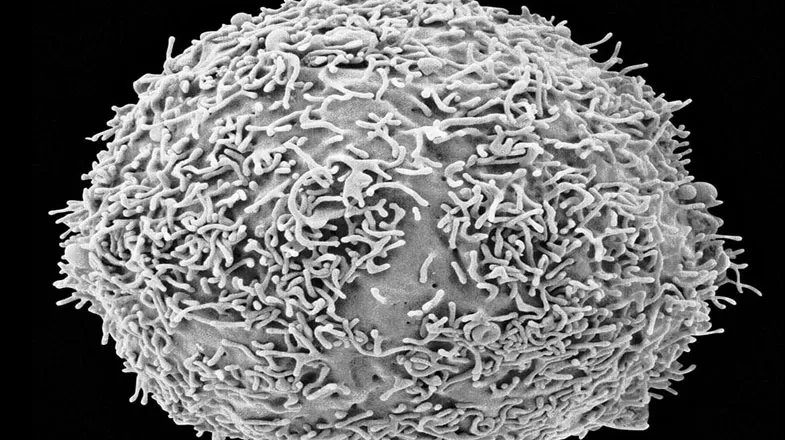
More than 62,000 people in the U.S. are diagnosed with Leukemia a year, a severe blood cancer, where the bone marrow produces abnormal cells.Leukemia, a name derived from the Greek words for “white blood,” is a cancer of the blood cells that begins in the bone marrow, the spongy tissue inside our bones that serves as our body’s blood cell factory. When a patient has leukemia, abnormal immature white blood cells (called blasts) multiply uncontrollably, filling up the bone marrow, and preventing...
Treating Cancer by Using Epigenetics, the ‘Software’ of Our Genes
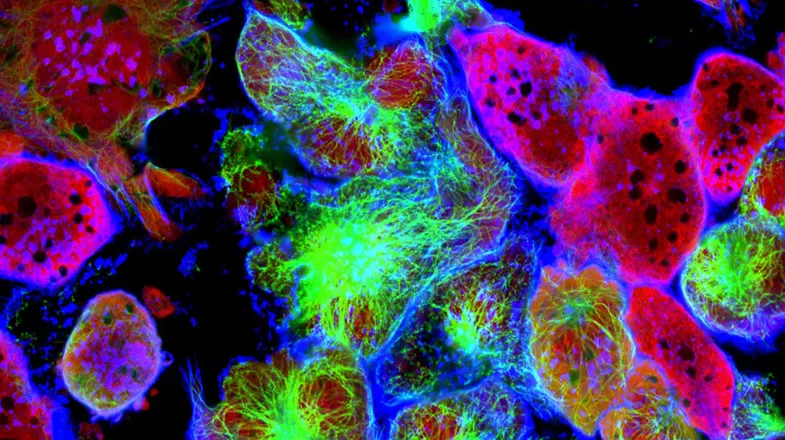
All of our cells possess the same set of DNA. So, why is it that some cells turn into skin cells while other cells turn into lung cells — and still other cells go rogue and turn into cancer cells? The key lies in the epigenome — the naturally occurring chemical markers that accompany your genes and act as molecular switches that can turn a gene on or off without changing your DNA itself. For example, in agouti mice, even identical twin siblings with the same DNA can have different fur colors...
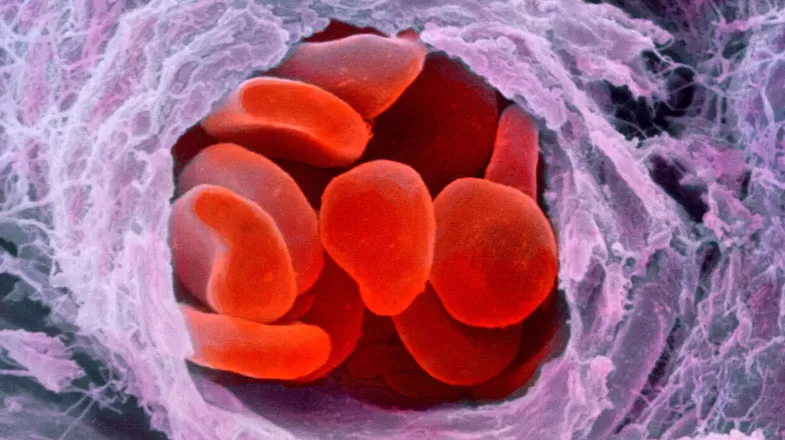
The Search for a ‘Liquid Biopsy’ and Other Advances to Diagnose Cancer
A liquid biopsy — a technology that attempts to diagnose a disease through a blood sample rather than by using a tissue sample collected through a traditional biopsy — is just one technology being explored to make cancer diagnosis faster and less invasive. Imagine going to your doctor for a simple blood test and knowing within 24 hours whether you have cancer. No need for biopsies, time-consuming scans, and waiting days, if not weeks, to learn results. For scientists like Dr. Hakan Sakul...
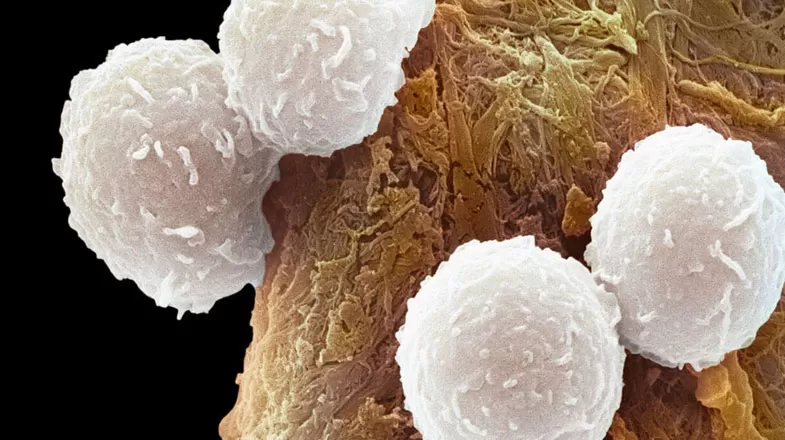
How Immuno-Oncology Taps Into the Body’s Own Immune System to Fight Cancer
Traditional approaches to fighting cancer such as radiation therapy and chemotherapy have saved countless lives over the years, but they are often accompanied by debilitating side effects because they also kill healthy cells in addition to attacking the malignant cells. One of the most important advances in cancer therapies is a field known as immuno-oncology, which uses methods that tap into a patient’s own immune system to detect and destroy cancer cells. Experts predict that immuno-oncology...
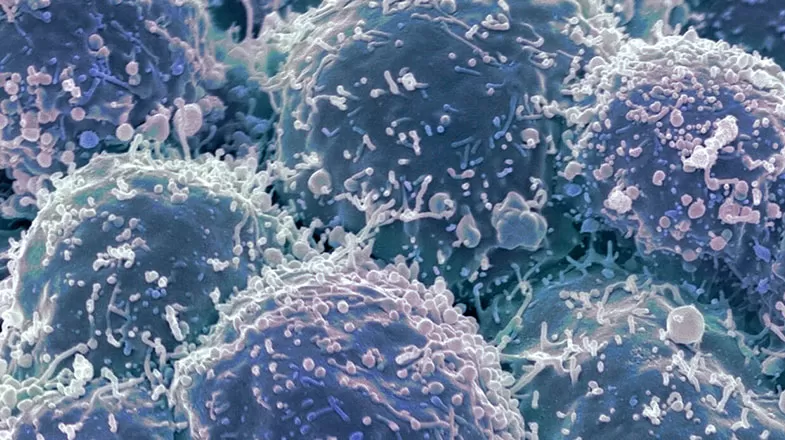
New Research Sheds Light on What Inputs Cells Need to Proliferate
The cells that comprise the human body are constantly growing, dividing, and developing. Skin and hair cells divide and replenish daily, stomach cells completely replace themselves in two to nine days and the red blood cells in a person’s body are turned over once every four months. In order for this replication to occur, cells must have an abundance of the building blocks necessary for survival and growth. Errors in signals for cell proliferation — the process by which cells grow and divide to...

foundations-science
Seeing Science in the Everyday: Glow Sticks That Detect Cancer
Researchers are using the same chemical processes behind glow sticks to make better tools to diagnose cancer. The same science behind glow sticks and the crime scene chemical luminol – which glows blue in the presence of blood – is now being used to develop cutting-edge tools to detect cancer and other medical diagnoses. When you snap a glow stick, two liquids inside the plastic tube come into contact, setting off a chemical reaction that emits energy in the form of light. This process is...
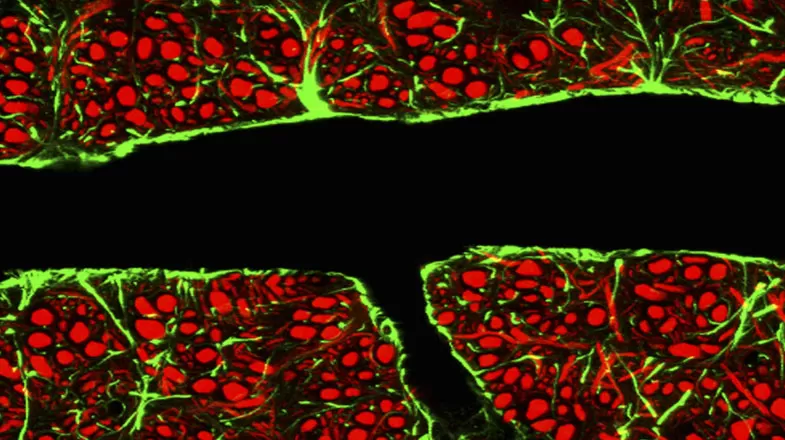
Getting Life-Saving Medicines Over the Brain’s Security Wall
p.p1 {margin: 0.0px 0.0px 0.0px 0.0px; font: 12.0px Helvetica} p.p2 {margin: 0.0px 0.0px 0.0px 0.0px; font: 12.0px 'Times New Roman'; min-height: 15.0px} p.p3 {margin: 0.0px 0.0px 0.0px 0.0px; font: 12.0px Helvetica; min-height: 14.0px} p.p4 {margin: 0.0px 0.0px 0.0px 0.0px; font: 12.0px 'Times New Roman'; color: #1e497d} span.s1 {font: 12.0px 'Times New Roman'; color: #1e497d} Science is helping cancer treatments and other medicines breach the blood-brain barrier in novel ways. Among all the...

Science & Innovation
4 Breakthroughs in Breast Cancer Treatment
One out of eight women will develop invasive breast cancer in her lifetime. (Science Photo Library)Advances in genetic testing, immunotherapy, and other areas are transforming the way we treat breast cancer.Survival rates for breast cancer have improved in recent decades. That’s good news for the approximately 250,000 women expected to be diagnosed in the U.S. in 2016. In recent years, scientists have been harnessing genetics, immunotherapy, and other innovative treatments to more precisely...
Media Resources & Contact Information
Anyone may view our press releases, press statements, and press kits. However, to ensure that customers, investors, and others receive the appropriate attention, Pfizer Media Contacts may only respond to calls and emails from professional journalists.