
Article
Featured Articles
Read our latest stories on the people and scientific innovations making a difference in patients’ lives.

How Preparing a Drug for FDA Approval Requires the Mind of a Scientist and Strategist
Regulatory experts draw upon both scientific and strategic thinking to shepherd new drugs to the finish line. Every drug that is prescribed by a doctor must first be approved by the Food and Drug Administration (FDA) or its regulatory counterparts in Europe, Asia and around the globe. If a drug is successful in clinical trials, then a New Drug Application (NDA) is submitted to the regulatory agency, where it undergoes a final approval process that can take up to a year. But regulatory experts...
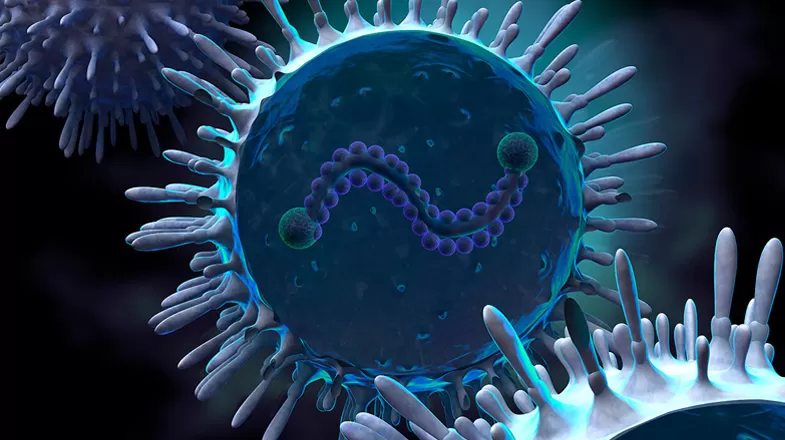
The Action-Packed Search for Stability: A Breakthrough in the Fight Against RSV
Respiratory syncytial virus (RSV), a major global childhood infectious disease without a vaccine, kills approximately 120,000 infants a year worldwide. It’s the most common reason infants are hospitalized. Additionally, RSV sickens millions of elderly people each year.When most people catch RSV, they get a mild cold and recover quickly. But some — especially infants and the elderly — can get very sick. Infants can develop pneumonia or bronchiolitis, an inflammation of the small airways in their...

Better, Faster, Smaller: How an Advance in Microfluidics Can Speed Up Drug Discovery
Before preparing a new recipe for 20 guests at Thanksgiving, the smart cook starts small, making the dish for their immediate family to test things out before the big holiday dinner. What does a scientist do when attempting to discover a molecule that has the properties that potentially could be a miracle cure for diabetes, high blood pressure or another troublesome disease? She also starts small, testing the molecule to make sure it’s safe and effective in living cells. Increasingly, this...

Medicine’s 2-Way Dance: What a Drug Does to the Body and What the Body Does to a Drug
We all know that a tremendous amount of brain power, time and resources goes into creating a new medicine. While much attention is given to the “discovery” aspect of translating scientific insights into new therapies, an equally important part of the process involves studying how a potential new medicine will affect the human body and what is the safest and most effective dose. Caption These questions are addressed by clinical pharmacologists, scientists who specialize in studying what...
Prized Research Skill? Fluency in Computer Science and Biology
How Computational Biology Is Driving Treatment Breakthroughs Growing up in South India, Shobha Potluri only knew of two acceptable career paths—engineer or doctor. She chose an engineering college in her home state of Andhra Pradesh and zeroed in on computer science. When she went on to get her master’s degree, she had a career-changing moment when she learned that her “geek” skills could be applied to solve biological problems, and help develop better treatments for sick people. Potluri...
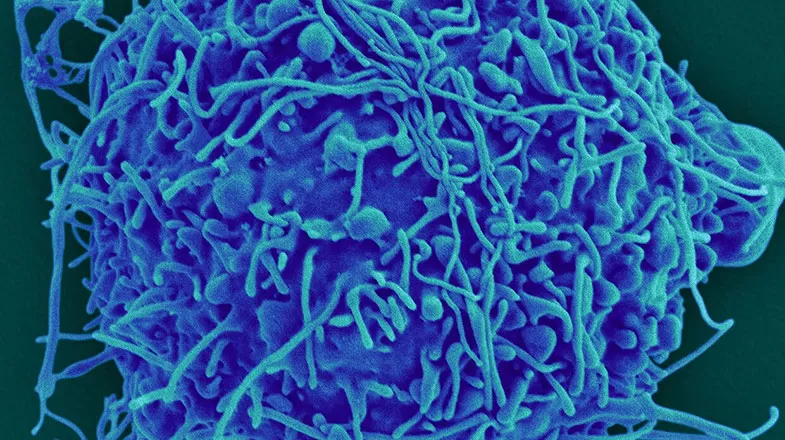
The ‘Immortalized’ Cells That Sparked an International Incident and Their Role in Producing Medicines
Proteins are the rock stars of biological molecules. They allow cells to carry out crucial functions like growth and differentiation, and enable cells to adapt to changing environments. Because dysfunction in certain proteins can cause disease, manipulating proteins is also the foundation of developing new medicines. But where do we get enough building blocks to actually manufacture the medicines that patients take? It turns out that living cells—which make proteins as part of a day’s work...
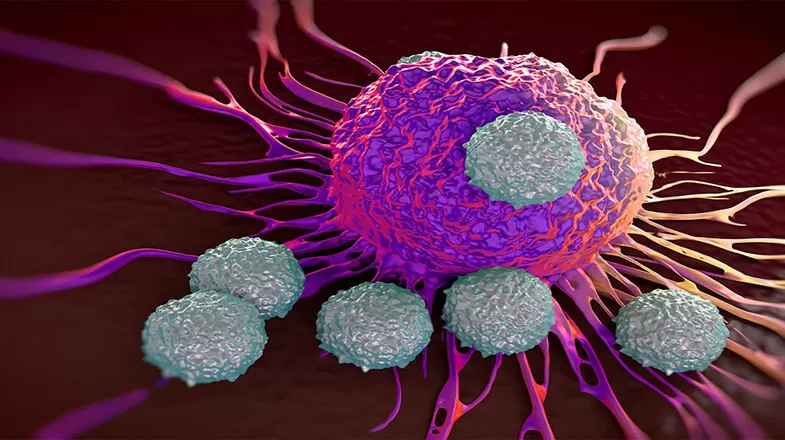
When Cancers Develop Resistance, ‘Stealthy’ Medicines Can Help
In the quest for better cancer therapies, Dr. Martin Edwards is one of the scientists on the frontlines informally known as “drug hunters.” His preoccupation these days is hunting for medicines that are more “stealthy” in their fight against cancer tumors—especially tumors that are resistant to conventional treatments. “There are people today who get cancer for which there is no treatment. Our job is to invent medicines that provide options and give them hope,” says Edwards, Vice President and...

Living & Wellbeing
The Value of AFib Screening: Bridging the Gap Between the Undiagnosed and Early Detection
AFib and the Devastating Impact of StrokePeople who have atrial fibrillation, or AFib, are five times more likely to have a stroke.1 In 25 percent of people who suffer an AFib-related stroke, their stroke was the first sign of previously undiagnosed AFib – meaning they were unaware of having a condition that substantially increased their risk of stroke.2But first, what is AFib?AFib is a common type of irregular heartbeat. While the normal heart beats 60 to 100 times per minute, someone with AFib...

How Finland’s Unique Genetic Heritage Is Being Used to Study the Links Between Genes and Diseases
The unique genetic heritage of the Finns — marked by repeated population bottlenecks and isolation from their neighbors in northern Europe — is helping scientists embark on a search for the complex links between genes and diseases. Finland also has a robust network of biobanks, and the country has passed laws that make the voluminous biobank data accessible to researchers. The combination of those two factors has set the stage for the FinnGen study, which began in the fall of 2017 and will...

Women in Science Up Close and Personal, Part 5: Success Strategies
In the fifth of our series honoring women in science, Pfizer researchers share their advice for young women who are launching scientific careers — and for the organizations hoping to hire and keep them. Young women scientists face something of a tightrope walk: Acting as if their abilities won’t be underestimated can help them forge ahead, and yet ignoring how women are sometimes treated differently than their male peers can hold them back. “I don’t assume that men think I’m less able in my...

Women in Science, Up Close and Personal, Part 4: Next Gen
In the fourth of our series honoring women in science, Pfizer researchers share their suggestions for getting more girls interested in STEM careers. Efforts to get girls interested in STEM careers have ramped up considerably in recent years, though the jury is still out on which initiatives are most effective. Naturally, scientists love coming up with hypotheses, and Jennifer LaFontaine, Senior Director in Medicinal Chemistry at Pfizer’s R&D site in La Jolla, California, has an intriguing one...
Women in Science Up Close and Personal, Part 1: Mentoring Matters
In the first of our series honoring women in science, Pfizer researchers share tales of mentors who turned them onto science and shaped their ambitions. Arpita Maiti could have enjoyed her “free” period in high school that day, but instead she elected to go to a special tutorial that her science teacher, Fred Speed, had prepared on the discovery of how HIV was transmitted. The year was 1985, and the breakthrough finding was on the cover of Time magazine. “Mr. Speed’s tutorial was the best...
Media Resources & Contact Information
Anyone may view our press releases, press statements, and press kits. However, to ensure that customers, investors, and others receive the appropriate attention, Pfizer Media Contacts may only respond to calls and emails from professional journalists.