
Articles
Featured Articles
Read our latest stories on the people and scientific innovations making a difference in patients’ lives.

Pfizer Enters into Agreement with Walgreens to Help Eligible U.S. Adults Navigate Their Healthcare Journey
Winter is a busy time of year. The one thing you don’t want to let fall by the wayside is your health, especially with colder weather potentially bringing an increase in COVID-19, flu, and other respiratory viruses.For some adults, keeping up with their health, including understanding which vaccinations they may be eligible to receive, may feel like a daunting task. The agreement between Pfizer and Walgreens is intended to help make the process more connected and personal.We recently launched a...

Behind the Science: Breaking the Cycle of C. difficile
The human gut contains a variety of bacteria and other microorganisms comprising the microbiome, and that’s a good thing! A healthy microbiome helps maintain a strong immune system and aids in digestion, among other important tasks. But sometimes, too much of a specific bacterium can result in infection, with the potential to progress from an ordinary health challenge to a life-threatening ordeal.Clostridioides difficile, also known as C. difficile, is one such bacterium. It often exists...

Skip the New Year’s Diet. Adopt These Food Habits Instead.
When the new year begins, our thoughts often turn to self-improvement.Many common new year’s resolutions focus on losing weight, by exercising more, drinking less, and adopting healthier eating habits. Eating well isn’t an all-or-nothing proposition. It’s an accumulation of positive habits that can improve your health for a lifetime, as opposed to hopping on the latest diet trend, which may result in short-term weight loss but can lead to longer-term weight gain.Here at Pfizer, we want to...

December Social Media Round-Up—2025 Highlights, YaoPharma Co., Ltd. Global Collaboration, and More
Happy New Year! Pay some final respects to 2025 with our monthly look back at Pfizer’s social channels.In the final month of the year, Pfizer shared an exciting innovation in cancer research, highlighted challenges faced by community-based organizations, and raised awareness for Alopecia Areata and sickle cell.Meanwhile, CEO Albert Bourla recognized the Pfizer team for our accomplishments in 2025 and shared his optimism for the upcoming year, highlighted our presence at major conferences, and...

'Science Has Kept Me Here': How Biomarker Research is Shaping the Future of Cancer Care
Debbie Pickworth developed a cough she couldn’t shake after a bout with bronchitis. She went to see her doctor multiple times, explaining that she was struggling to breathe, but nothing seemed to help.Then, tests revealed the unthinkable: Debbie had lung cancer. She was 43 years old.Lung cancer was nothing new to Debbie’s family. Just 16 years earlier, her mother died from the same disease; her grandmother also died from lung cancer. Now, Debbie was afraid she was on the same path. She thought...

Seasonal Affective Disorder: The Science of SAD
For some people, the start of winter can bring the onset of depression, fatigue, and agitation. These symptoms can be severe enough to interfere with day-to-day life. Some people may begin to overeat, especially carbohydrates, resulting in unintended weight gain. They may have a hard time concentrating on regular tasks or not feel joy from their hobbies or favorite activities.1This may be more than the winter blues; it may be seasonal affective disorder (SAD). There are two primary types of SAD...
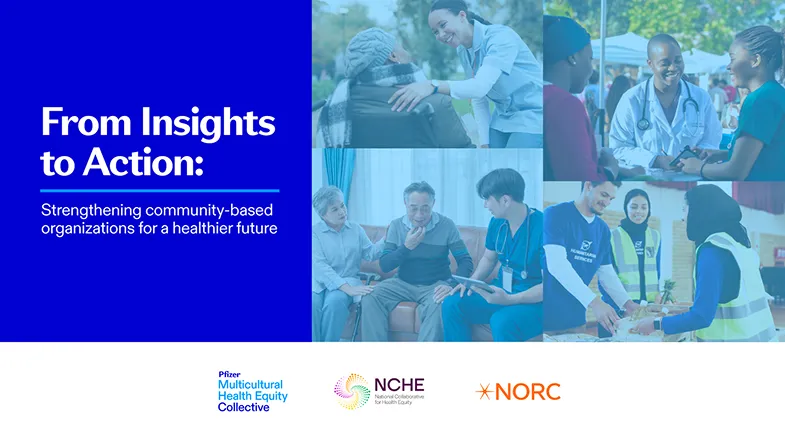
Bridging the Gap: Community-Based Organizations Seek Trust, Tools and Funding to Advance Public Health
Read the full report. Community-based organizations (CBOs) are the cornerstone of community health—yet across the country they face substantial uncertainty, according to a new national survey supported by Τhe Pfizer Multicultural Health Equity Collective (The Collective).These on-the-ground, grassroot nonprofits play a vital role in improving health, particularly for historically underserved populations, as they build trust and meet local needs. As part of Pfizer’s long-term efforts to uplift...

Accelerating Innovation: Pfizer’s 2025 AI Festival
video-js.video-js.vjs-fluid:not(.vjs-audio-only-mode) { padding-top: 56.25%; } In late October, Pfizer colleagues around the world gathered—virtually and in person—for our second annual AI Festival Week, reaffirming our commitment to innovation and the transformative power of artificial intelligence. This year’s festival was a vibrant showcase of how AI is accelerating progress in science and healthcare, simplifying workflows, and amplifying impact for...
The Power of Knowing: Medley’s Edith Cooper Talks Equity in AI
Over the summer, Pfizer launched “The Power of Knowing,” a video series hosted by our Chief Digital and Technology Officer, Lidia Fonseca. The series explores how artificial intelligence (AI) is unlocking innovation that was previously out of reach via interviews with industry leaders at the forefront of these changes. Today we’re excited to share a new installment that touches on a topic that’s so important to Pfizer that the concept serves as one of our core values: equity.Equity may not...
November Social Media Round-Up—Third-Quarter Earnings, Metsera Acquisition, and More
This past November, our plates weren’t the only things that were full. Pfizer’s social channels are bursting with updates—head over to our corporate channels for the latest news.Pfizer launched two new video series: “Rewrite the Recipe” and “Equity in AA Care,” celebrated The Pfizer Foundation winning a 2025 Citizens Award, and spotlighted caregivers for Lung Cancer Awareness month.CEO Albert Bourla announced the completion of Pfizer’s acquisition of Metsera, welcomed our new colleagues, and...
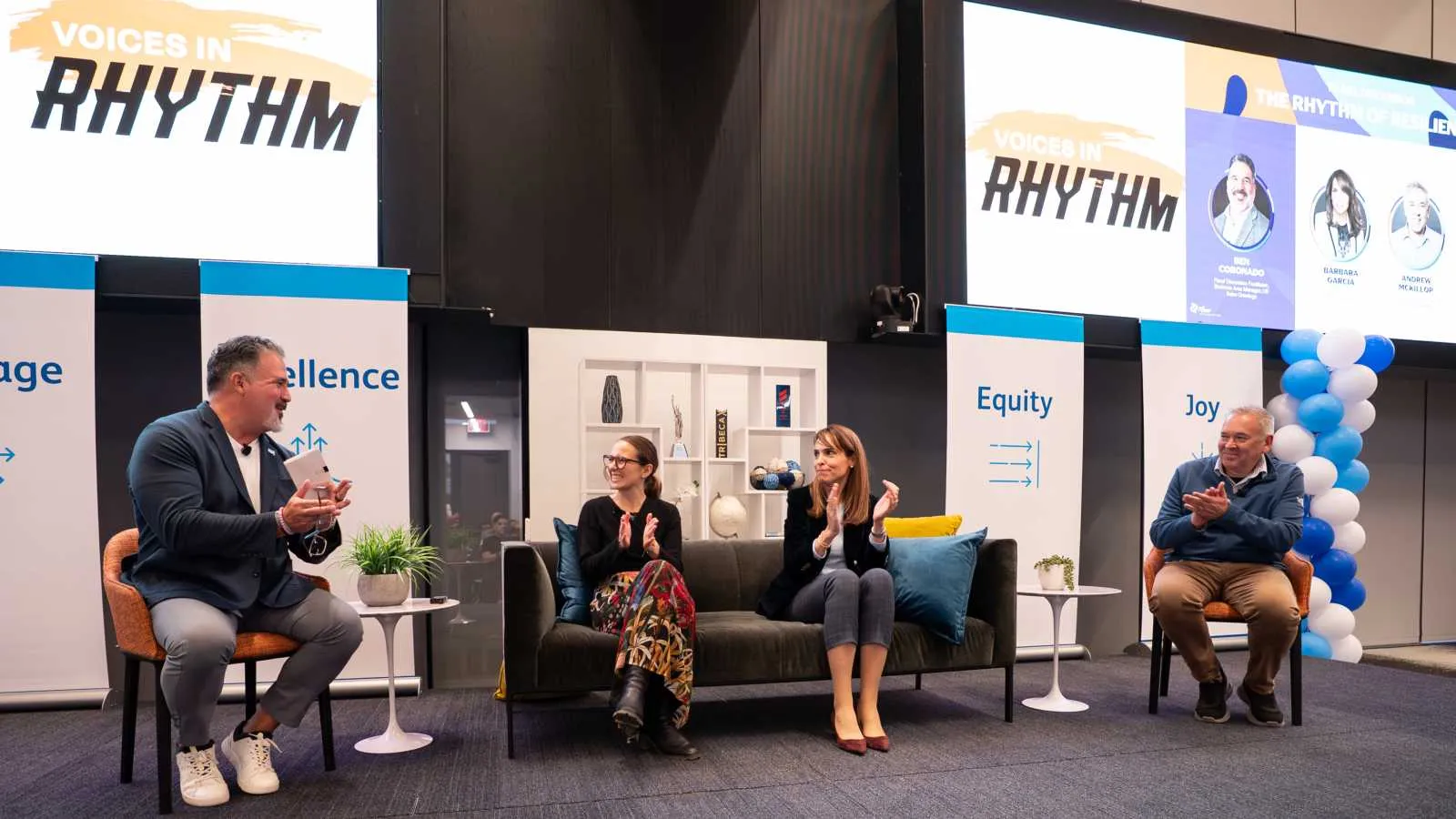
A Summit with Rhythm, Purpose, and Power: Reflections on This Year’s Latino Community CRG Summit
For half a decade, Pfizer’s large community of Latino employees and allies have come together to celebrate their accomplishments and inspire one another to push forward for ever more progress. Sponsored and organized by Pfizer’s Latino Community Colleague Resource Group, this year’s fifth annual summit was more than an event, it was a gathering filled with rhythm, heart, and the unmistakable energy that rises when the community comes together with intention.Hosted by Brooklyn Viso, Breakthrough...

Pursuing the Next Breakthrough in Cancer Cachexia
Cachexia, a complex wasting syndrome, impacts an estimated 9 million people worldwide.[i] In people living with cancer, cachexia can diminish the tolerance of therapies and is linked to reduced survival rates. Currently, there are no FDA-approved treatments targeting its underlying cause.Over time, the way researchers and physicians understand cachexia has evolved, with growing focus on uncovering the biology behind this devastating disease.In an effort to address a critical gap in care and help...
Media Resources & Contact Information
Anyone may view our press releases, press statements, and press kits. However, to ensure that customers, investors, and others receive the appropriate attention, Pfizer Media Contacts may only respond to calls and emails from professional journalists.