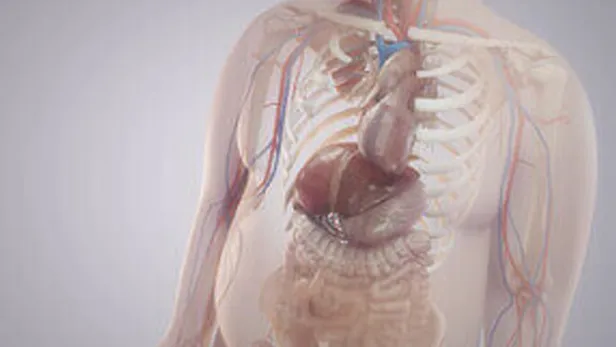

A healthy metabolism, the process by which the body converts food into energy, is an essential part of living a healthy life. Metabolic disorders, also known as metabolic conditions, disrupt that vital mechanism.1
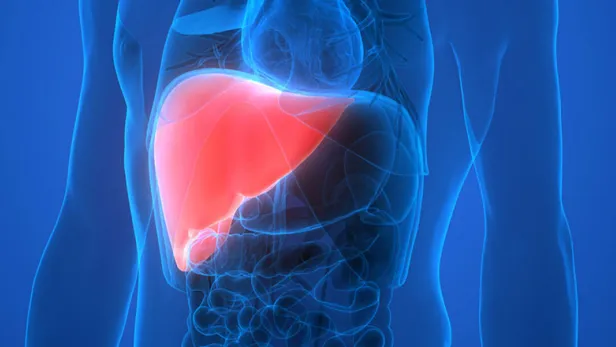
Metabolic disorders can arise when chemical reactions in the body do not occur as usual. Metabolic disorders can form when organs like the pancreas or liver do not work properly.1 This is the case with diabetes,1 a metabolic disorder that affects 37.3 million people in the U.S., or 11.3% of the population.2
What are metabolic disorders?
When we eat food, we ingest combinations of proteins, fats, and carbohydrates. Metabolism turns these nutrients into energy, in the form of sugars, fatty acids and glycerol, and amino acids.3 Depending on a person’s needs, the body can be adaptive. It can store energy in fat, muscle, or even the liver if a person doesn’t need the energy right away. The body can also use food energy immediately.1
A metabolic disorder could cause the body to produce too many or too few of the hormones involved in metabolism.1 In some cases, a genetic abnormality may be the cause. Fortunately, the body can tolerate some variance and error in the metabolic process, but a disruption to an important part of metabolism may trigger disease.4
How do metabolic disorders affect the body?
Each of the many metabolic disorders brings its own health effects. Diabetes symptoms, for example, may include excessive thirst and unintentional weight loss, while Gaucher disease may enlarge the spleen or liver.5,6
People can also have metabolic syndrome, which is a separate disease defined as a cluster of certain conditions, including at least three of the following: high blood pressure, high blood sugar, high triglycerides or low HDL cholesterol, and an extended waistline. Metabolic syndrome elevates a person's risk for cardiovascular disease and stroke. An estimated one in three American adults has metabolic syndrome.7
- References
- Metabolic disorders. MedlinePlus. https://medlineplus.gov/metabolicdisorders.html. Updated August 23, 2016. Accessed May 10, 2023.
- National diabetes statistics report. Centers for Disease Control and Prevention. https://www.cdc.gov/diabetes/data/statistics-report/index.html. Updated June 29, 2022. Accessed May 10, 2023.
- Carbohydrates, proteins, and fats. Merck Manual. https://www.merckmanuals.com/home/disorders-of-nutrition/overview-of-nutrition/carbohydrates,-proteins,-and-fats. Updated February 2023. Accessed May 17, 2023.
- Genes and disease. Nutritional and Metabolic Disease. National Library of Medicine. https://www.ncbi.nlm.nih.gov/books/NBK22259/. Accessed May 10, 2023.
- Diabetes symptoms. Centers for Disease Control and Prevention. https://www.cdc.gov/diabetes/basics/symptoms.html. Updated December 30, 2022. Accessed May 10, 2022.
- Gaucher disease. MedlinePlus. https://medlineplus.gov/genetics/condition/gaucher-disease/. Updated November 1, 2022. Accessed May 10, 2022.
- Metabolic syndrome. What is metabolic syndrome? National Heart, Lung, and Blood Institute. https://www.nhlbi.nih.gov/health/metabolic-syndrome. Updated May 18, 2022. Accessed May 10, 2023.





Related Articles