
Article
Featured Articles
Read our latest stories on the people and scientific innovations making a difference in patients’ lives.
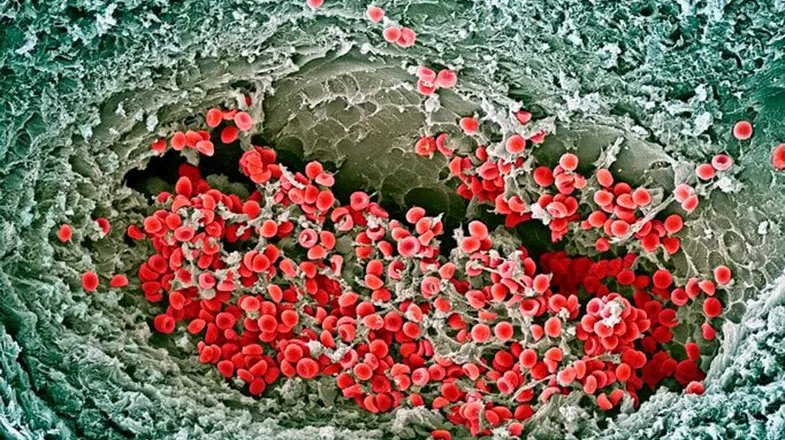
How Does It Feel to Have Sickle-Cell Disease?: When Listening to Patients Gives Researchers Clues
Molecular biologists certainly have the insider’s view of a disease. They know (or try to find out) how it operates in the body on a cellular level. But the mechanisms of a particular condition aren’t the only thing that matters to these scientists. Starting “outside,” say by learning more about what it’s like to have a disease, and how people generally cope with symptoms such as pain, can help a researcher develop treatments that truly address patients’ needs. Debra Pittman, a research fellow...

In Search of a Better Biomarker: Why Studying Liver Enzymes Matters for Drug Safety
If you’ve ever had a liver function test as part of an annual physical, you may know that the exam screens for certain biomarkers, like liver enzymes in the blood. If these substances are found to be elevated, it may mean that you have a liver disease or have been exposed to some medications or environmental toxins. Liver biomarkers are also important tools in the drug development process. Before a drug can be tested in humans, it must be studied for potential safety risks, including the liver...
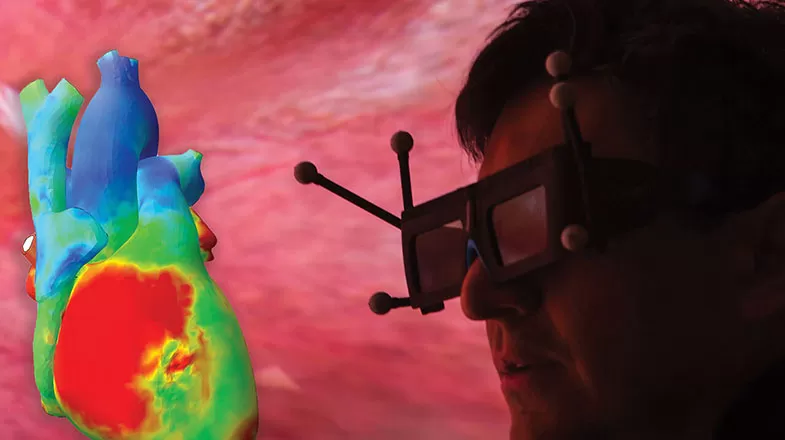
Quantifying Matters of the Heart: Using Mathematical Modeling to Simulate Vital Organs
Songwriters, poets, and novelists have long tried to capture the intricacies of the heart. But it’s the quants who might finally do it. The Living Heart Project, initiated by the firm Dassault Systémes, is applying the advanced technology that the automotive and aerospace industries use to realistically simulate the heart. The project has solicited input from cardiovascular researchers, biopharmaceutical companies such as Pfizer, regulatory agencies and practicing doctors to develop a model...

Get to Know the T-Team: The Immune System’s Special Defenders
In our immune system — the body’s security force against infection — T-cells are like the “special-ops” team. These elite defenders are tailored to fight specific pathogens. But T-cells are not only fascinating for their germ-busting abilities. They’re also actively involved in the development of autoimmune disorders. And scientists are delving into T-cell functions to create immunotherapies to fight cancer. The field of T-cell research is having a fertile moment. Scientists continue to...
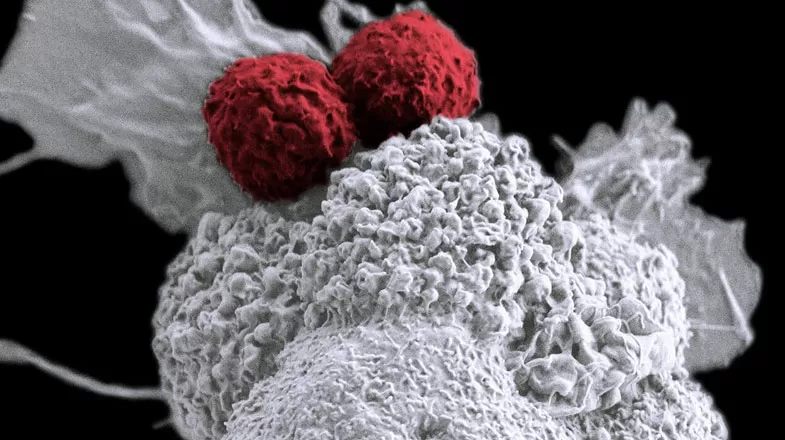
Tumor-Typing: A New Way of Assessing Cancer Treatment Options
A method of analyzing tumors could inform response to immunotherapies. You can probably guess how your closest friend will react to a particular situation: It’s an intuition that arises out of the database of knowledge about her built up over years and stored in your mind. Predicting how someone might react to a treatment, though, is a process that has vexed researchers working in the burgeoning field of precision medicine. How can they “know” a patient’s immune system, a patient’s cancer, and...
Inside a Cytokine Storm: When Your Immune System is Too Strong
The vast majority of people who suffer severe complications from influenza are elderly or have compromised immune systems. In fact, almost 90% of people who die as a result of a flu infection in the United States are over 65, an age when the immune system’s ability to fight infection begins to wane. But with the fiercest flu season in almost a decade occurring in 2018, news stories about otherwise healthy adults succumbing to the influenza virus were alarmingly common. Why? Ironically, in most...

Brenda Carrillo-Conde: Unlocking the Power of Connections
Brenda Carrillo-Conde has a talent for conjugation: making connections for the greater good — inside the lab and out. As a principal scientist with Pfizer’s Conjugation and Polytide Process Development Group in St. Louis, Missouri, she spends her workdays using chemical conjugation to improve the effectiveness of vaccines and medicines. In the lab, conjugation is a process that connects molecules together by a system of strong bonds and has a wide-range of real-world applications. “It has a...

Purpose & Ideals
Día de la Mujer Latina: Promoting Healthy Behaviors
As part of its commitment to improving health equity across multicultural populations, Pfizer has been partnering with Día de la Mujer Latina (DML), a nationally recognized, grassroots community-based organization dedicated to eliminating health disparities among Latino populations. Since 1997, the mission of Día de la Mujer Latina has focused on promoting healthy behaviors within the underserved Latino community. Día de la Mujer Latina seeks to do so by providing a culturally and...

The ‘Ecology’ of Cancer: Studying the ‘Soil’ that Enables the Disease to Thrive
Borrowing from the field of ecology, cancer is now being examined in terms of the relationship between a cancer cell and the traits of its local environment — the tissue, cells and blood vessels — that help it to thrive. The severity of a cancer diagnosis is most often viewed through the lens of its stage (I – IV), which defines whether a tumor is isolated to its original location or has metastasized, potentially becoming more dangerous by spreading to other parts of the body. Recent research...

Purpose & Ideals
How to Rid the World of Neglected Tropical Diseases
Neglected tropical diseases (NTDs) affect over one billion people worldwide. This group of viral, bacterial and parasitic diseases can be found in 149 countries – that’s 76 percent of countries in the world – and most often affects impoverished populations, who lack access to clean water or sanitation and live in close contact with infectious vectors. The effects of NTDs on communities can be devastating – keeping children out of school and preventing adults from going to work or caring for...

Inside the X-(Chromosome) Files
In honor of Mother’s Day, let’s take a closer look at the “female” sex chromosome: The X. Not to stir up a battle of the sexes, but the X chromosome (females have two of them, while males have one) is five times larger than the Y chromosome, and has 10 times the number of genes. That means it carries more traits — and diseases — than the Y chromosome. The Y chromosome is important in determining a person’s biological gender. But it has much less of a say in someone’s genetic makeup, since the X...
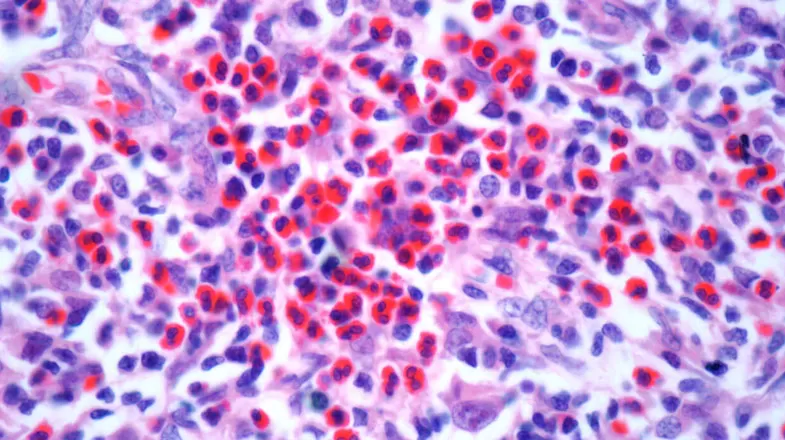
Treating Disease with 'Precision Medicines' that Target Specific Patients
When people talk about curing cancer, an oncologist’s reaction likely is: What kind of cancer? If you answer “breast cancer,” the oncologist will likely want to know which of its many varieties do you mean? Precision medicine — the customization of treatments targeted to specific patient populations for specific ailments — has been made possible in recent years by advances in technology and the resulting breakthroughs in understanding how a given disease may differ among patients. Researcher...
Media Resources & Contact Information
Anyone may view our press releases, press statements, and press kits. However, to ensure that customers, investors, and others receive the appropriate attention, Pfizer Media Contacts may only respond to calls and emails from professional journalists.