
Article
Featured Articles
Read our latest stories on the people and scientific innovations making a difference in patients’ lives.
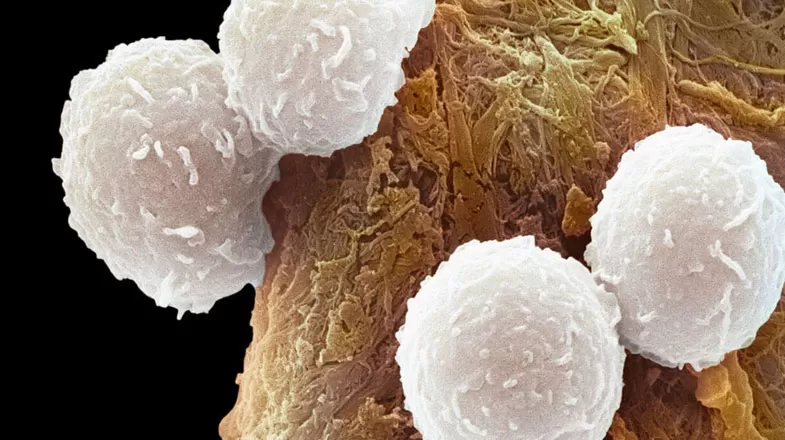
How Immuno-Oncology Taps Into the Body’s Own Immune System to Fight Cancer
Traditional approaches to fighting cancer such as radiation therapy and chemotherapy have saved countless lives over the years, but they are often accompanied by debilitating side effects because they also kill healthy cells in addition to attacking the malignant cells. One of the most important advances in cancer therapies is a field known as immuno-oncology, which uses methods that tap into a patient’s own immune system to detect and destroy cancer cells. Experts predict that immuno-oncology...
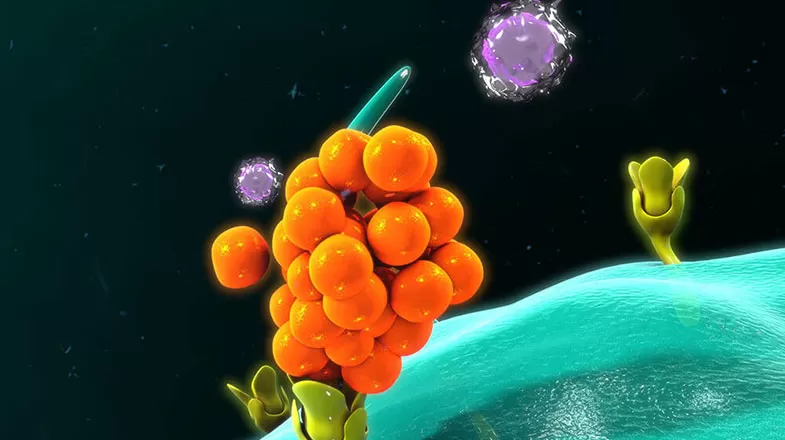
Decoding Science: Cytokines
From the Greek “cyto” for cell and “kinos” for movement, these chemical messengers orchestrate the immune system’s activity, and may be the key to understanding and treating autoimmune disorders. Behind every complex organization, from great militaries to multinational corporations, is an equally sophisticated communications system. For the immune system, the body’s complex system for fighting off disease and infections, cytokines are the vital protein messengers that mediate activity. Produced...
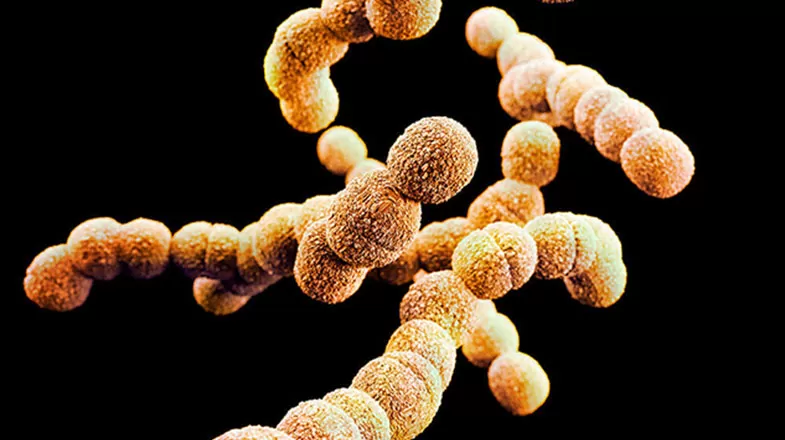
Group B Strep: A Dangerous Infection in Infants and Adults
Despite advances in treatment and prevention, Group B strep continues to be the leading cause of dangerous infections in newborns, pregnant mothers and adults. An estimated 10% – 30% of pregnant women in the U.S. carry Group B streptococcus (GBS), bacteria that live in the intestine, vagina and rectum, and usually show no symptoms. During childbirth, however, the situation can change. Colonized mothers can pass GBS via amniotic or vaginal fluids to their babies causing infections which may...
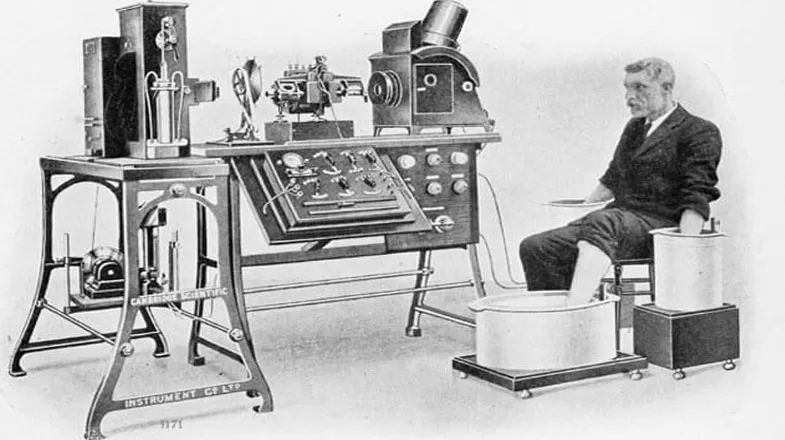
Flashback: The First ECG
p.p1 {margin: 0.0px 0.0px 0.0px 0.0px; font: 12.0px Times} p.p2 {margin: 5.0px 0.0px 5.0px 0.0px; font: 12.0px Times} p.p3 {margin: 0.0px 0.0px 0.0px 0.0px; font: 12.0px Times; min-height: 14.0px} span.s1 {font: 12.0px 'Times New Roman'} Willem Einthoven found the beat and built a machine that could measure the electrical current a heart creates. It weighed 600 pounds. An electrocardiogram — called informally an ECG or EKG — measures the small electric waves that a human heart creates. It’s...
The Great Migration: Tracking Immune Cells’ Travels
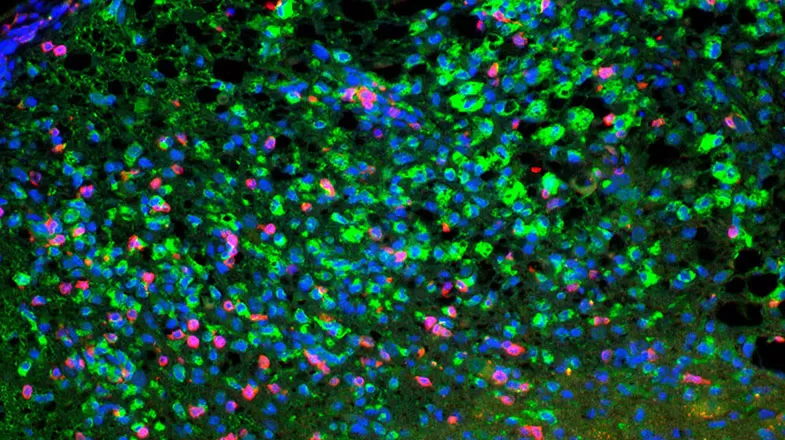
Scientists are studying how immune cells move to develop better treatments for autoimmune diseases. Birds migrate. People migrate. And so do cells. T-cells squeezing between collagen fibers. PLOS ONE/Coles JA Our immune cells, in particular, are always on the move, constantly patrolling the body for foreign invaders. If an unwelcome visitor enters through the nose, mouth or eyes, or there’s a break in the skin, these nimble soldiers are ready to flood the attack site and send out signals...
advancing-medical-research
Fixing Broken Body Clocks
By finding ways to restore sleep rhythms, researchers can benefit Alzheimer’s patients and others. Every living being from fungi to frogs has an internal clock that normally runs on a 24-hour cycle. In humans, this master clock resides in a tiny region of the brain’s hypothalamus and controls everything from hunger and sleep patterns to daily hormone fluctuations and body temperature. The brain’s master clock sets the tempo for the rhythms of every cell throughout the whole body. “It’s like...
Consumer DNA Kits Give Research a Boost
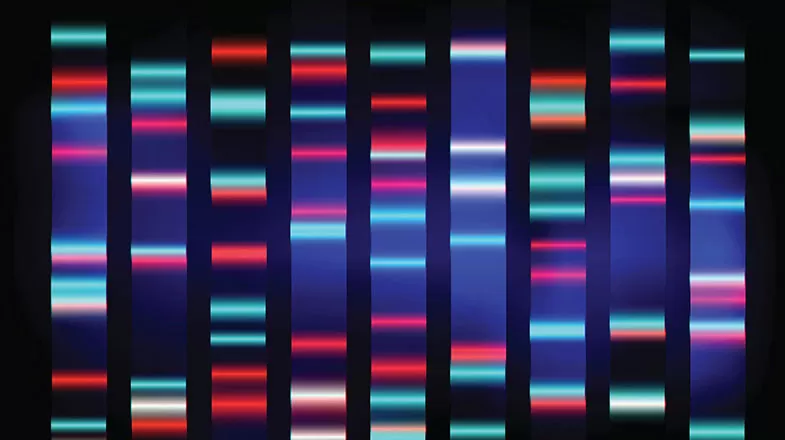
At-home DNA tests are driving patient participation in research. DNA kits can trace more than your ancestry. They’re also helping medical research. Patients with lupus and inflammatory bowel disease (IBD) recently became a pivotal part of studies without ever stepping foot in a clinic or hospital, thanks to a collaboration formed between Pfizer and the genetic testing company 23andMe. The mission: find genetic clues that may someday lead to more precise treatments. The method: mail in saliva...
6 Views of a Neuron by Golgi and Cajal
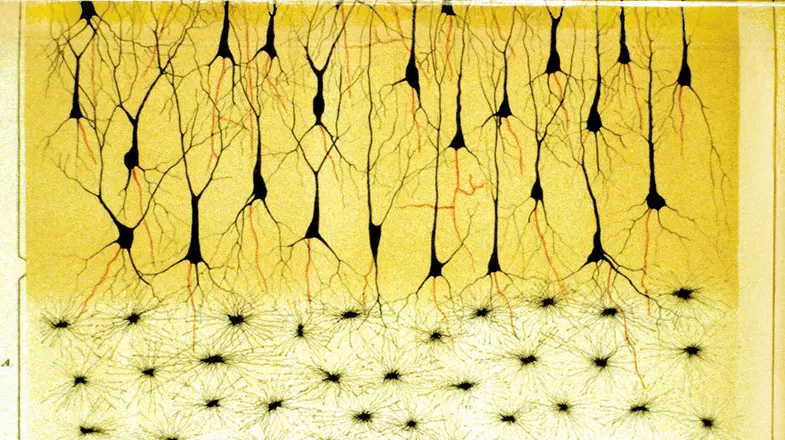
Two groundbreaking scientists stain cells, uncover the intricate secrets of the nervous system, and elevate scientific discovery to fine art. In 1872, Camillo Golgi accepted a job as the chief medical officer at the Hospital for the Chronically Sick at Abbiategrasso, Italy. It is here — ensconced in a tiny kitchen he had converted into a makeshift laboratory — that he created what he would call the “black reaction.” It was a method of staining that was able to capture even the most delicate...
Female Pioneers: Meet the Biochemist Who Tackled One of TB’s Great Mysteries
Florence Seibert was an early pioneer in applying physical chemistry techniques to biomedical problems. American Florence Seibert developed a reliable test for TB, which has helped saved millions of lives. In the early 1900s, tuberculosis, a bacteria that settles in the lungs and eats them away, continued to be among the deadliest diseases, killing one in seven people in the U.S. and Europe. Before the turn of the century, German scientist Robert Koch had discovered tuberculin, which is...
Smallpox Vanquished
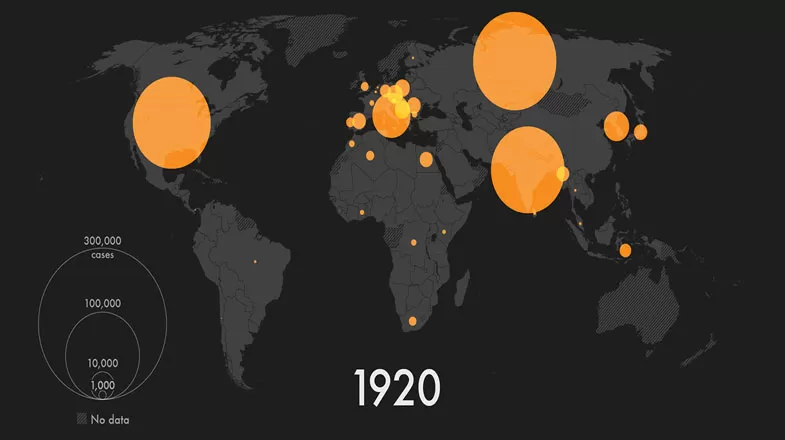
Once one of the world’s deadliest diseases, smallpox’s complete eradication was the result of a worldwide deployment of a vaccine begun 50 years ago. To date it’s still the only human disease ever to disappear from Earth. Considered one of the greatest achievements of the 20th century, alongside the likes of getting a man on the moon, and one of the greatest medical feats in all of human history, smallpox was officially declared eradicated from the planet in 1980. The big push for its...
Checking Our Gut Microorganisms’ Disease-Fighting Might
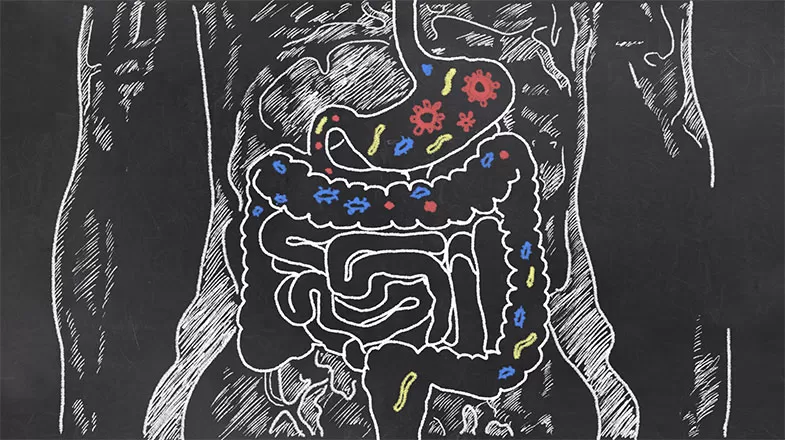
New gene sequencing tech is helping researchers harness the bacteria, viruses, and fungi that live in our bodies to fight disease. At this very moment, trillions of bacteria and other germs are swimming in your gut and crawling on your skin. While the thought may make you cringe, these microscopic squatters — collectively known as the human microbiome — are essential to our survival. And now a growing body of research shows how this microbiome could point the way to new treatments and a deeper...
foundations-science
Hungry, Hungry Macrophages (video)
Macrophages, the human immune system’s horde of cells that clear the body’s detritus by eating it, may be induced to gorge — in the name of helping combat Alzheimer’s and other diseases. Macrophages have an appetite for destruction. (Their name means “big eater” in Greek.) As the immune system’s primary phagocyte — or cell that has the astounding ability to engulf and digest another particle — macrophages are, among other things, the human body’s primary cleanup system. They exist in every...
Media Resources & Contact Information
Anyone may view our press releases, press statements, and press kits. However, to ensure that customers, investors, and others receive the appropriate attention, Pfizer Media Contacts may only respond to calls and emails from professional journalists.