
Article
Featured Articles
Read our latest stories on the people and scientific innovations making a difference in patients’ lives.

Can You Inherit Rheumatoid Arthritis? Genetic vs Hereditary
Inflammation that leads to pain, swelling, stiffness, fatigue, and loss of joint function, are a fact of life for more than one million people in the United States who live with rheumatoid arthritis (RA).1 The chronic autoimmune disease causes the immune system to attack the healthy tissues surrounding the joints; it mainly affects the wrists, hands and knees (and often attacks numerous joints at once).2Is rheumatoid arthritis genetic? In addition to risk factors such as age, sex, smoking and...

Biologics vs. Biosimilars: Understanding the Difference
Maybe you’ve heard of biologics and biosimilars. You might even be taking biological or biosimilar medicines to treat cancer, rheumatoid arthritis, ulcerative colitis, psoriasis, or other health conditions. Still, maybe you have questions about what the differences and similarities are or how these drugs are developed.Biologics revolutionized the prevention, treatment, and outlook of many serious diseases. Now, biosimilar advancements in these drugs are helping to provide expanded access to...
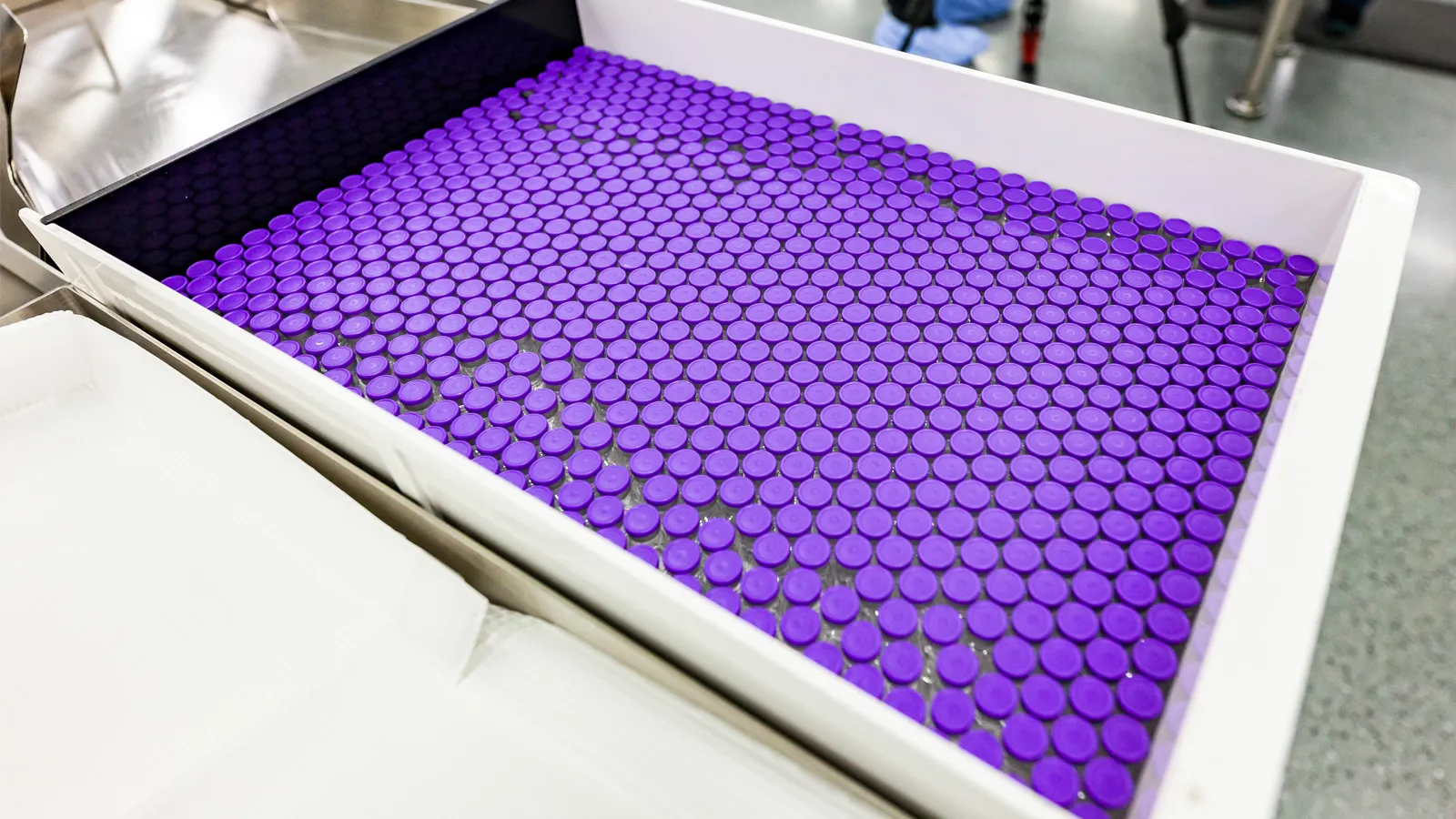
Distributing Our COVID-19 Vaccine to the World
An Open Letter from Pfizer Chairman and CEO Dr. Albert Bourla Every day, I am asked about how Pfizer and our partners at BioNTech will distribute our COVID-19 vaccine now that it has begun to be authorized by regulators in different countries. People have questions about the process, the storage logistics and everything in between. But the underlying question is always the same: How will Pfizer and BioNTech ensure a seamless distribution of our vaccine? More than 70 million cases of COVID-19...

Celebrating Our Veterans: A Salute to Their Service
It takes great bravery and honor to serve in the U.S. Military. At Pfizer, we are thankful to all veterans for their patriotism, their selflessness and their sacrifice. And, we are proud to call many men and women who have served in the armed forces Pfizer colleagues. We salute their service and invite you to read their stories. Chris McQueen, Pfizer Facility Maintenance Supervisor, Rocky Mount, North CarolinaI served in the United States Navy as a Gas Turbine System Technician Mechanic...

Cancer Biomarkers: Paving the Way for Better Lung Cancer Treatment
Receiving a lung cancer diagnosis may inspire a lot of questions: Will my cancer spread? What are the best treatment options for my type of lung cancer? How well do treatments work?There are no one-size-fits-all answers to questions about lung cancer—and that can be a good thing. Scientific advances have led to the practice of “precision medicine” or treatments tailored to patients based on the genes and proteins found in their tumor. In cancer treatment, it involves looking at changes in the...
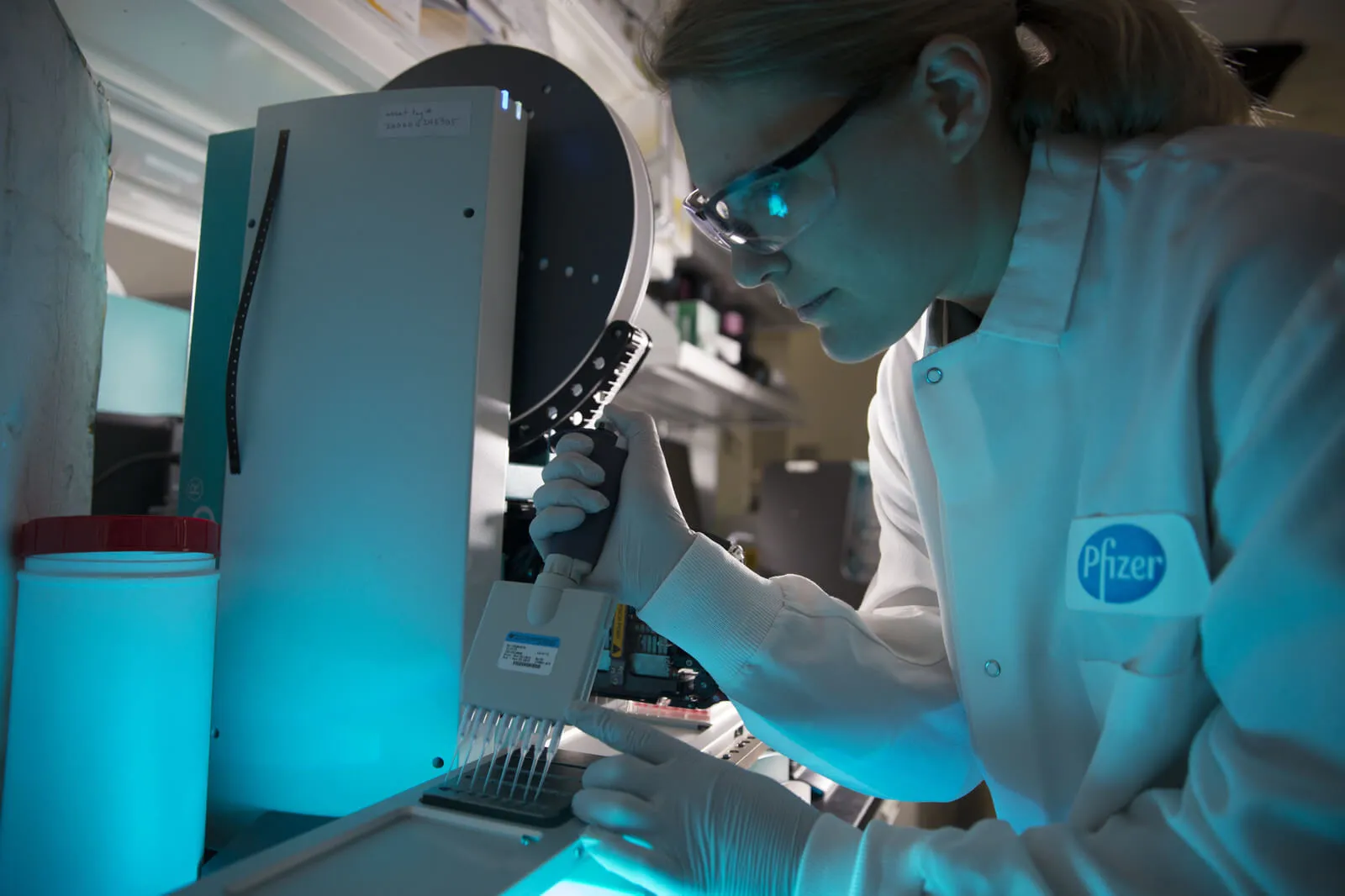
An Open Letter from Pfizer Chairman and CEO Albert Bourla
As we get closer to an important data readout from our COVID-19 vaccine program, I wanted to speak directly to the billions of people, millions of businesses and hundreds of governments around the world that are investing their hopes in a safe and effective COVID-19 vaccine to overcome this pandemic. I know there is a great deal of confusion regarding exactly what it will take to ensure its development and approval, and given the critical public health considerations and the importance of...

COVID-19 Vaccine Maker Pledge
The CEOs of AstraZeneca, BioNTech, GlaxoSmithKline, Johnson & Johnson, Merck, Moderna, Novavax, Pfizer, and Sanofi, have made a historic pledge to the world, outlining a united commitment to uphold the integrity of the scientific process as they work towards potential regulatory filings and approvals of the first COVID-19 vaccines. All nine CEOs signed the following pledge: We, the undersigned biopharmaceutical companies, want to make clear our on-going commitment to developing and testing...
Improving Access to Cures Through Innovation
Patients deserve affordable access to the best healthcare possible. That’s why Pfizer invests in research and development: to produce groundbreaking treatments, like the COVID-19 vaccine, that improve people’s lives. It’s this investment in innovation that enables our scientists to make dramatic strides in healthcare. Their work advances life-changing therapies for the millions of patients we serve.To help even more patients access the medications they depend on, we need smart public policies...

How to be resilient
In the pharmaceutical industry, resilience isn’t just important: it’s critical. On average it takes ten years to bring a new drug to market. Often, that timeframe is significantly longer. And along the way we face setbacks, uncertainties, challenges, and many times, failures. Whoever you are, whatever your role or industry, you can probably identify with this in some way. Resilience is a person’s capacity to respond to pressure and demands upon them. In the current COVID-19 crisis, the need...

Why courage counts
At Pfizer, courage is central to the way that we work. In fact, it’s one of our values. Far from an abstract concept or goal that we aspire to, courage is a mantra that we hold ourselves to every day across our business, wherever we are in the world, and whatever our role.But what exactly do we mean by courage? It means that we “Think big, speak up, be decisive.” When we channel our courage to behave in that way, we’re able to make bold moves towards our purpose: breakthroughs that change...

The value of trust
When people are asked what they value in an employer, increasingly they prioritize a positive working culture. Of course, not all cultures are alike, and every business will have its nuances. But essentially, culture is a code of conduct and ethics that defines the way things are done, the way you communicate, and the things that really matter. And for a culture to thrive, trust between colleagues is essential.How does trust lay the foundation for culture? Let’s stop to consider the important...

The importance of managing your energy
Do you ever feel tired? Between work, family life, and hobbies, as well as keeping up with chores and other responsibilities, it’s easy to feel like life is just too busy. Right now, while life looks different for most of us in light of COVID-19, disrupted schedules and priorities which need to be juggled have added to stress levels for many of us. As well as managing your time, it’s important to understand how to manage your energy. After all, energy is what keeps us going. At Pfizer, our...
Media Resources & Contact Information
Anyone may view our press releases, press statements, and press kits. However, to ensure that customers, investors, and others receive the appropriate attention, Pfizer Media Contacts may only respond to calls and emails from professional journalists.