
Article
Featured Articles
Read our latest stories on the people and scientific innovations making a difference in patients’ lives.
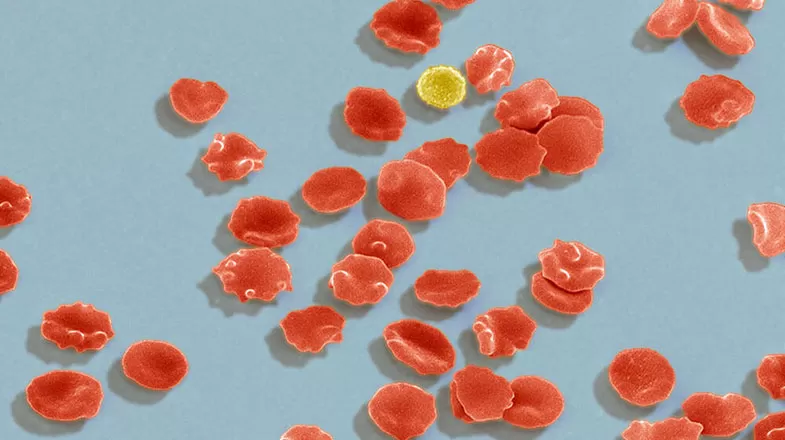
The Goldilocks of the Elements: Why Iron Levels Have to Be ‘Just Right’
Without iron, there wouldn’t be life as we know it. The element is an essential part of the biologic operating manual for organisms from single-celled bacteria up to complex human beings. But iron also has a dark side: Because of its capacity to turn molecules into free radicals that can damage cell membranes and DNA, too much iron can be as dangerous as too little. In the right amounts, iron is as important as the air we breathe. That’s because the element plays a crucial role in moving...
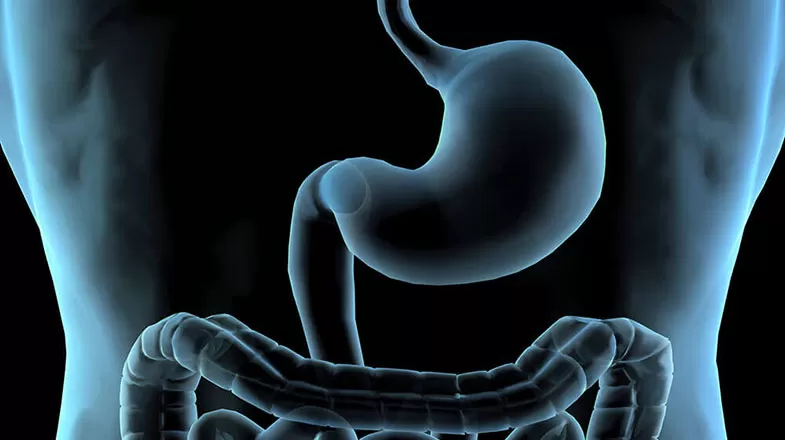
What an Artificial Eating Machine Can Teach Us About Medications
The old saying “you are what you eat” may not be strictly accurate, but like many a timeworn adage, it holds a kernel of truth. For example, while eating a high-fat diet may not necessarily make people fat, the amount and type of fat in their diets still influences their overall health. When people think about the relationship between eating and health, however, they rarely consider how their dietary habits could affect the medications they take. Many common medications come in tablet, capsule...
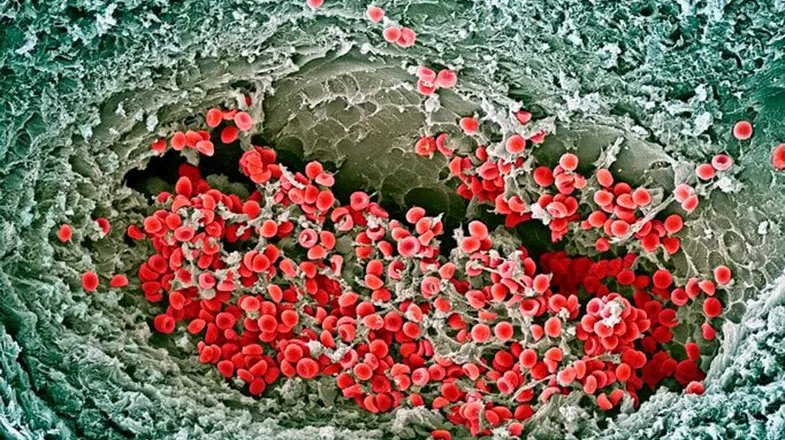
How Does It Feel to Have Sickle-Cell Disease?: When Listening to Patients Gives Researchers Clues
Molecular biologists certainly have the insider’s view of a disease. They know (or try to find out) how it operates in the body on a cellular level. But the mechanisms of a particular condition aren’t the only thing that matters to these scientists. Starting “outside,” say by learning more about what it’s like to have a disease, and how people generally cope with symptoms such as pain, can help a researcher develop treatments that truly address patients’ needs. Debra Pittman, a research fellow...

In Search of a Better Biomarker: Why Studying Liver Enzymes Matters for Drug Safety
If you’ve ever had a liver function test as part of an annual physical, you may know that the exam screens for certain biomarkers, like liver enzymes in the blood. If these substances are found to be elevated, it may mean that you have a liver disease or have been exposed to some medications or environmental toxins. Liver biomarkers are also important tools in the drug development process. Before a drug can be tested in humans, it must be studied for potential safety risks, including the liver...
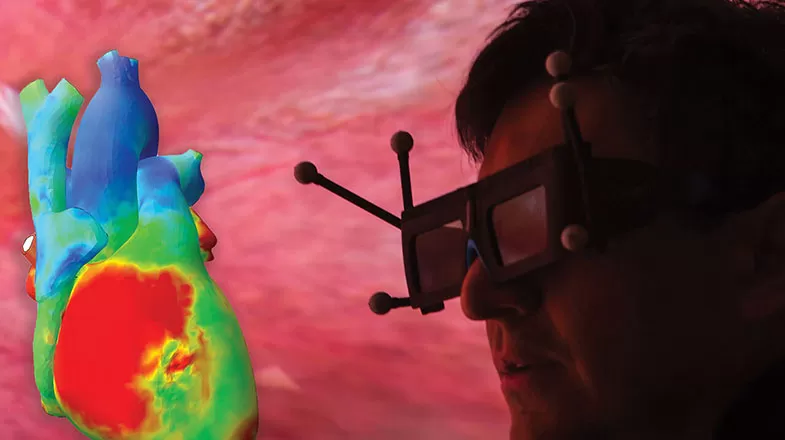
Quantifying Matters of the Heart: Using Mathematical Modeling to Simulate Vital Organs
Songwriters, poets, and novelists have long tried to capture the intricacies of the heart. But it’s the quants who might finally do it. The Living Heart Project, initiated by the firm Dassault Systémes, is applying the advanced technology that the automotive and aerospace industries use to realistically simulate the heart. The project has solicited input from cardiovascular researchers, biopharmaceutical companies such as Pfizer, regulatory agencies and practicing doctors to develop a model...
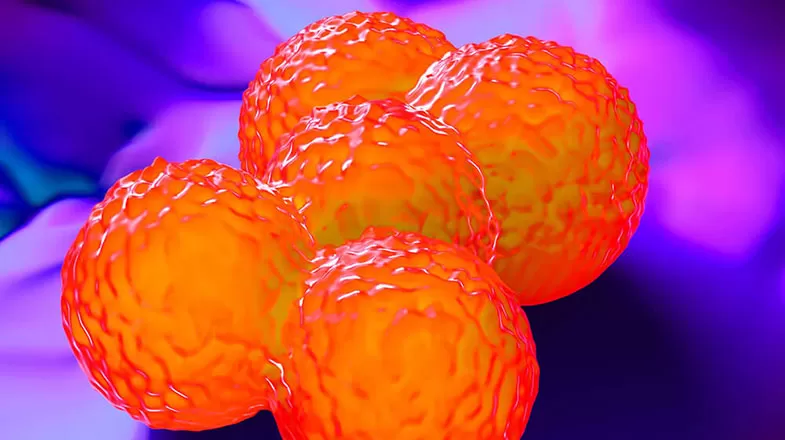
A Superbug Problem: When Routine Surgeries Turn Dangerous
You go in for an elective knee replacement surgery, hoping to be able to climb the stairs again without pain, and end up with more than you bargained for: a potentially life-threatening bacterial infection caused by Staphylococcus aureus (also referred to as S. aureus, Staphylococcus, or staph infection.) S. aureus is a common bacterium found on the skin and in the nose that is usually harmless. This all changes if it enters the body through cuts and grazes. To compound this in recent years...

Scientist Embraces the ‘Ick’ Factor to Develop a New Tool Against a Dangerous Pathogen
Developing a vaccine to prevent the devastating disease caused by Clostridium difficile requires a reliable and sensitive test to diagnose the dangerous disease causing toxins produced by C. diff — and it also required scientists to figure out how to detect the toxins in stool samples. When scientist Arik Elfassy talks to his kids about his job, he purposely omits one important detail: When he’s collecting data, he spends much of his day working with human stool samples. And not just a little...

Phenotypic Drug Discovery Modern Successes
Scientists return to a classic model of drug discovery in an attempt to find novel medicines, while adding a modern spin.For the past 30 years or so, the main method for finding new medicines has been based on sophisticated knowledge of a specific target — a protein, such as an enzyme or receptor. Once a target for a disease is identified, scientists look for a compound that efficiently binds to and modulates the target, either by screening known candidates or by building a compound from scratch...

Get to Know the T-Team: The Immune System’s Special Defenders
In our immune system — the body’s security force against infection — T-cells are like the “special-ops” team. These elite defenders are tailored to fight specific pathogens. But T-cells are not only fascinating for their germ-busting abilities. They’re also actively involved in the development of autoimmune disorders. And scientists are delving into T-cell functions to create immunotherapies to fight cancer. The field of T-cell research is having a fertile moment. Scientists continue to...
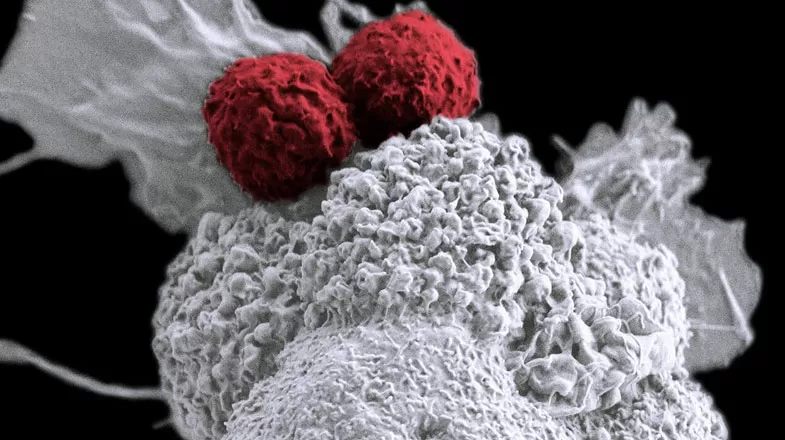
Tumor-Typing: A New Way of Assessing Cancer Treatment Options
A method of analyzing tumors could inform response to immunotherapies. You can probably guess how your closest friend will react to a particular situation: It’s an intuition that arises out of the database of knowledge about her built up over years and stored in your mind. Predicting how someone might react to a treatment, though, is a process that has vexed researchers working in the burgeoning field of precision medicine. How can they “know” a patient’s immune system, a patient’s cancer, and...

Not Just Cosmetic: The Pain of Alopecia and the Search for A Cure
The phrase “only skin deep” implies that looks are superficial — and insignificant. But we regularly judge, and choose whether or not to connect with, other people based on how they look. That’s why the patchy hair loss experienced by sufferers of Alopecia areata (AA), an autoimmune disease, brings additional losses for patients: Possibly a loss of identity, or even a loss of contentment and wellbeing. “I don’t want people to say, ‘Oh, it’s just hair,’” says Lisa Gregory, who suffers from a...
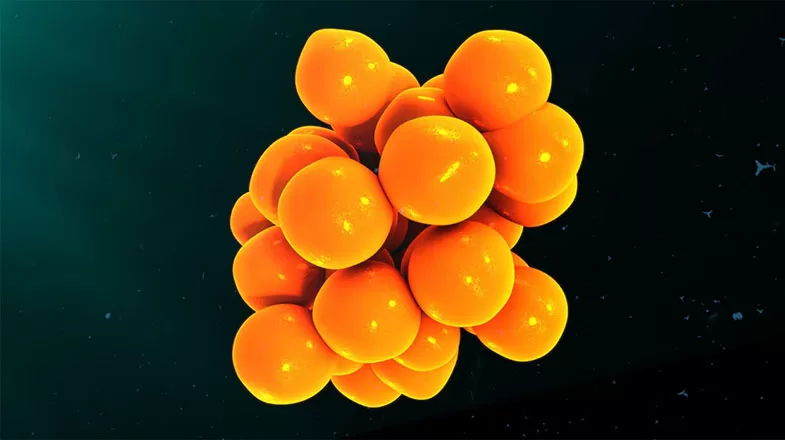
Inside a Cytokine Storm: When Your Immune System is Too Strong
The vast majority of people who suffer severe complications from influenza are elderly or have compromised immune systems. In fact, almost 90% of people who die as a result of a flu infection in the United States are over 65, an age when the immune system’s ability to fight infection begins to wane. But with the fiercest flu season in almost a decade occurring in 2018, news stories about otherwise healthy adults succumbing to the influenza virus were alarmingly common. Why? Ironically, in most...
Media Resources & Contact Information
Anyone may view our press releases, press statements, and press kits. However, to ensure that customers, investors, and others receive the appropriate attention, Pfizer Media Contacts may only respond to calls and emails from professional journalists.