
Article
Featured Articles
Read our latest stories on the people and scientific innovations making a difference in patients’ lives.
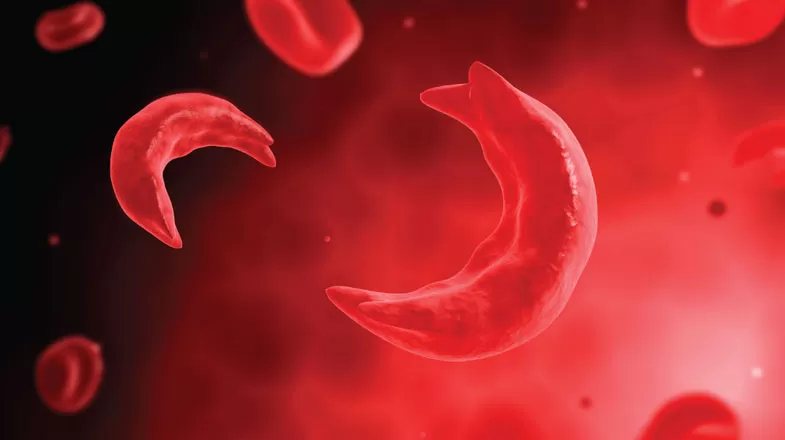
Sickle Cell Trait vs. Sickle Cell Disease
Millions of people worldwide are affected by the sickle cell blood disorder. About 100,000 people in the U.S. have sickle cell disease. It mostly affects African Americans, but it can also affect people from Hispanic, southern European, Middle Eastern and Asian Indian backgrounds.Another 2.5 million people in the U.S. have sickle cell trait (SCT). But having sickle cell trait (SCT) is not the same as having sickle cell disease (SCD).What is the difference between having sickle cell trait and...

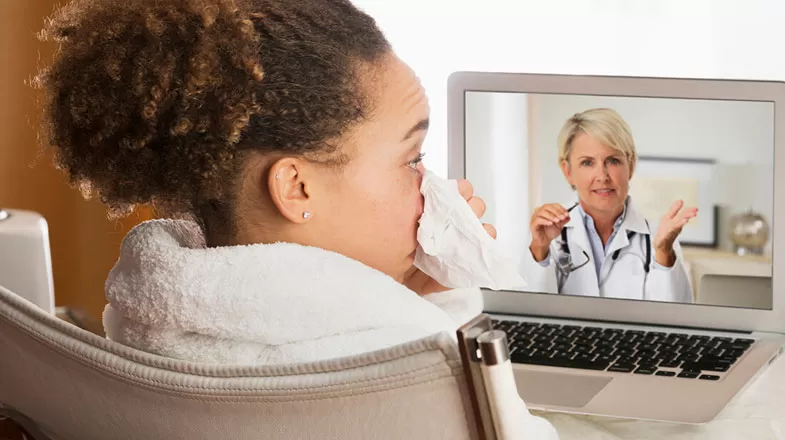
It’s a Match! Telemedicine and a Healthier You
My parents, born in pre-war Hungary and Poland, were introduced in New York through a matchmaker. That was the custom of the times. They had a happy marriage despite the reality that the matchmaker gave incomplete and sometimes incorrect information to them and to their respective families. Their union blossomed because they used what the matchmaker provided as a starting point for deeper discussions on what mattered to them. The matchmaker's information was only the first stage in finding...
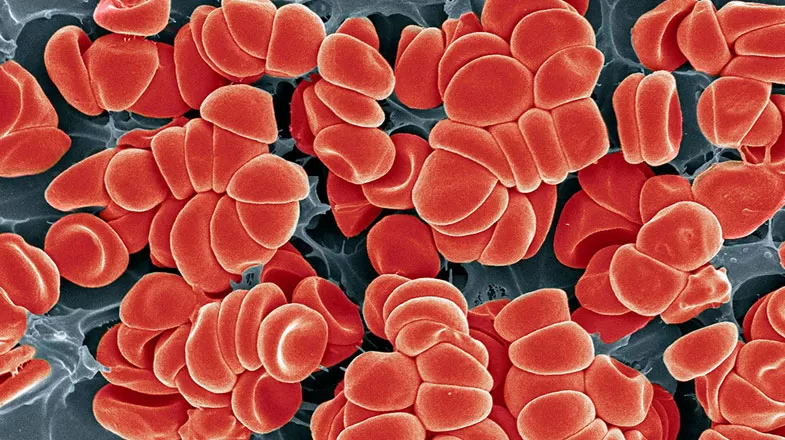
Hemophilia Q&A
Q: What is hemophilia? A: Hemophilia is a blood disorder that primarily affects males. People who have hemophilia tend to bleed for longer periods of time following an injury or surgery. This happens because they have little, or even none, of a protein called clotting factor. Clotting factors help your blood form clots, which play an important role in stopping bleeding. There are many of these clotting factors in the body that are needed for the blood to clot properly. People with...

Finding the Key to Alzheimer’s Dementia
I recall very vividly one of my patients who couldn’t see that his Alzheimer dementia (AD) symptoms were changing. Despite concerns from family members and his primary care doctor, this patient continued to drive. A quick brainstorm with the family led to my suggesting that they hide the car keys. Unfortunately, this caused frustration for both my patient and the caregivers. Every day he would search for the keys, going through every inch of the house and leaving a trail of disarray behind him...

What You Need to Know about Antibiotic Resistance
What is Antibiotic Resistance? Put simply, an antibiotic is a medication that will kill bacteria (or stop them from dividing) helping the body treat an infection. Antibiotic resistance occurs when an antibiotic loses its ability to stop bacterial growth and/or kill the bacteria. Because the bacteria continue to multiply despite the antibiotic, an infection can get worse even when taking an antibiotic. The more an antibiotic is used, the more likely resistance will develop. Use of an antibiotic...

What are the Gaucher Disease Symptoms
Q: What is Gaucher disease?A: Gaucher disease is a rare, inherited disease. It was first described by Dr. Philippe Gaucher in 1882 and is caused by genetic mutations (a permanent change in the DNA of a gene) received from both parents. In people with Gaucher disease, the body’s cells do not produce enough of an enzyme called glucocerebrosidase (pronounced “GLOO-ko-SERe-bro-sy-dase”). Without enough of this enzyme, people with Gaucher disease can’t break down a fatty substance found in cells...

Living with Psoriasis: Beyond Just Skin
Psoriasis is a chronic immune mediated inflammatory disorder that affects approximately 2% of the world population or 140 million people worldwide. In the U.S, approximately 7.4 million adults have psoriasis. This chronic disease is known for its effects on the skin, which occurs when the immune system mistakenly triggers skin cells to overgrow. As a result, the life cycle of cells is sped up and an excess of them can form inflamed patches of skin that may occur anywhere on the body, especially...

Clinical Trial Practices—Safeguards in Research
If you or a loved one is considering joining a clinical trial, you may be happy to know that research studies today have strict safeguards, standards of ethics, and are highly regulated. In many cases, participating in this type of research may be one of the most closely monitored types of medical treatment available. The clinical trial process is different than it used to be, yet unfortunately the accounts and memory of practices that no longer exist may still make people uneasy about...

What You Need to Know About Sunscreen
More than 2 million people in the US are diagnosed with skin cancer every year. Unprotected skin exposed to ultraviolet (UV) radiation can also lead to several other adverse health effects, such as sunburn, premature skin aging, eye damage, and weakened immune system. The American Cancer Society states that simply staying in the shade is one of the best ways to limit exposure to UV radiation. However, if you are in the sun, it is recommended that you cover up with clothing, hat and sunglasses...

Joining a Clinical Trial: What to Know Before You Enroll
As a scientist who has been involved in running clinical trials for the past 30 years, I have seen first-hand how patients have contributed to and benefited from participating in a clinical trial. I am very pleased to have this opportunity to thank all of the many clinical trial participants who have taken part in research over the years. Because they enrolled in trials, new promising therapies have been understood in terms of safety and efficacy, and new therapies have become available to help...

5 Myths About Dementia
MYTH: Dementia is a disease FACT: Dementia is not a disease. Instead, it describes a group of symptoms that affects the ability to think, remember things, and reason to a degree such that a person’s activities of daily living are impaired. Other changes can include trouble with language or communication, and unexpected changes in mood and behavior. MYTH: All types of dementia are the same FACT: There are many different types of dementia—though some are more common than others. Some of the...
Media Resources & Contact Information
Anyone may view our press releases, press statements, and press kits. However, to ensure that customers, investors, and others receive the appropriate attention, Pfizer Media Contacts may only respond to calls and emails from professional journalists.