
Article
Featured Articles
Read our latest stories on the people and scientific innovations making a difference in patients’ lives.
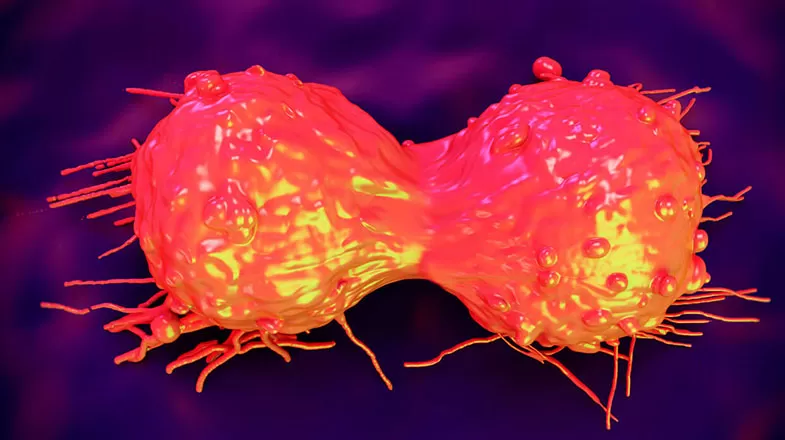
Hope in the Cancer Battle: Declining Cancer Rates, Innovative Science Breakthroughs
The rate of deaths from all cancers combined continued its quarter-century-long steady decline in the U.S., according to the latest report by the American Cancer Society, with the death rate dropping 1.7 percent between 2014 and 2015— the latest year for which national statistics were available. Since 1991, cancer death rates have decreased 26 percent.Cancer is still the No. 2 killer in the U.S., behind heart disease, but the latest report indicates there’s some promising news to take note of as...
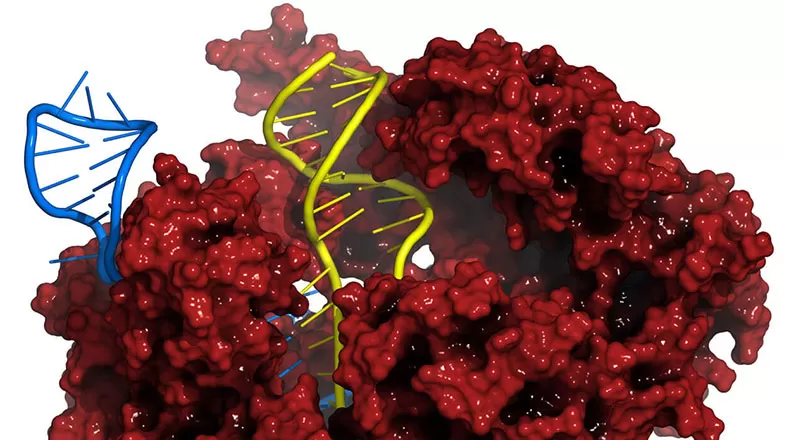
How CRISPR Helps Find the Genetic ‘Needle in a Haystack’ of Diseases
CRISPR is best known as a powerful gene editing tool, but it’s also helping scientists search for the genetic sources of certain diseases. There’s been a lot of buzz in recent years about CRISPR, the powerful genome editing tool that acts like a pair of molecular scissors that can snip out and replace a specific chunk of genetic code, allowing scientists to make precise changes. Recent advances have made CRISPR even more precise, and researchers have likened it to a molecular pencil capable of...
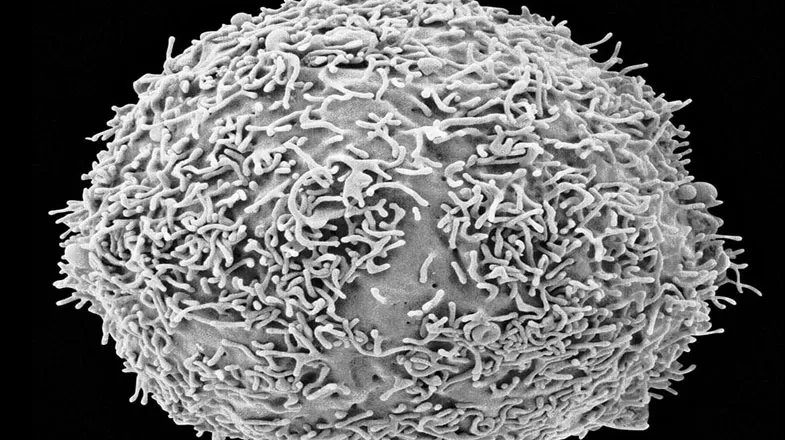
Common Misconceptions About Leukemia Explained
More than 62,000 people in the U.S. are diagnosed with Leukemia a year, a severe blood cancer, where the bone marrow produces abnormal cells.Leukemia, a name derived from the Greek words for “white blood,” is a cancer of the blood cells that begins in the bone marrow, the spongy tissue inside our bones that serves as our body’s blood cell factory. When a patient has leukemia, abnormal immature white blood cells (called blasts) multiply uncontrollably, filling up the bone marrow, and preventing...

Little Ms. Excitable and Mr. Naïve: Meet Some Varied ‘Cell States’
They get excited. Sometimes they’re a little chatty. And they’ve been known to be naïve. We’re not describing your average teenager, but rather, we’re talking about our cells, the building blocks of life. We’re made up of some 37 trillion of them. And among this vast megalopolis of cellular matter are some 210 different cell types, from lymphocytes to beta cells to the more descriptively named chandelier and cartwheel cells (two types of neurons). Cells also perform a range of critical...

Decoding Longevity: 3 Genes Linked to Anti-Aging
The bowhead whale, the mammal with the longest known lifespan, can survive to 200, while the average rat lives only two to three years, and squirrels can often live over a decade. What explains a species’ longevity? There’s still much to learn when it comes to decoding the link between genetics and longevity, but, increasingly, studies into a range of genes are revealing tantalizing clues about the role that the genome plays in determining an animal’s lifespan. Here’s a look at three genes...

Hiding In The Crowd: Designing Therapies To Evade Immune Detection
Using computer modeling and DNA sequencing, scientists are building better biologic medicines that are potentially invisible to the immune system. Biologic medicines have greatly improved the lives of many patients, in particular with chronic autoimmune conditions such as rheumatoid arthritis, Crohn’s disease, multiple sclerosis and even some cancers. But the challenge with these protein-based medicines, which are made from living cells, is that some patients, over time, develop an immune...
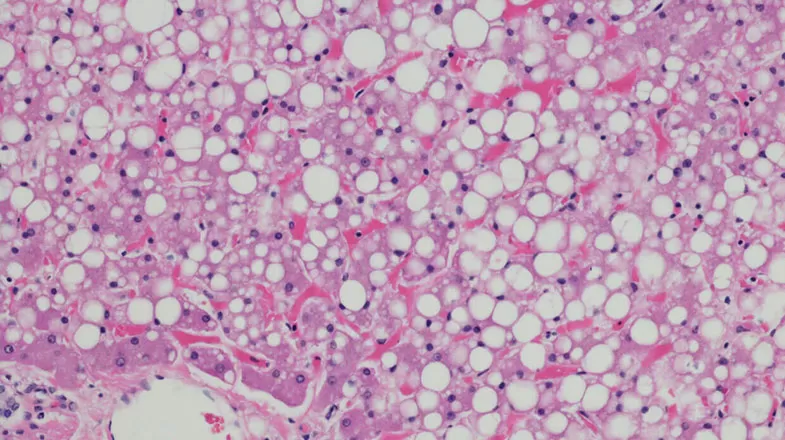
International Project to Help Detect a Liver Disease Called NASH Gets $35M Boost
Imagine if the only way to know whether you have diabetes was for a doctor to take a biopsy of your pancreas, rather than being able to check your glucose levels using a simple blood test. That is the current state of affairs for a disease known as NASH (non-alcoholic steatohepatitis) in which the liver is damaged by inflammation due to a buildup of fats. NASH is a progressive subtype of non-alcoholic fatty liver disease (NAFLD). Associated risk factors for NAFLD, NASH and the later stages of...
Test Tube Ancestors: The Science of Genetic Testing in Genealogy
Genetic testing companies use complex methods to determine your ancestry. But how accurate are they? For any two people in the world, 99.5 percent of their DNA is identical (99.9 percent for any two people of the same sex), yet it’s only human to latch on to that 0.5 percent and seek out what makes you special. As of 2016, nearly 3 million genetic ancestry tests have been sold, thanks in part to popular TV shows in which celebrities delve into their genealogy using both their genome and...
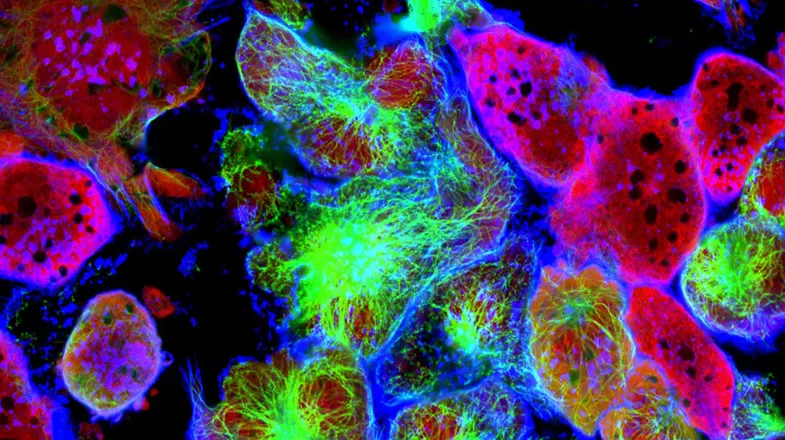
Treating Cancer by Using Epigenetics, the ‘Software’ of Our Genes
All of our cells possess the same set of DNA. So, why is it that some cells turn into skin cells while other cells turn into lung cells — and still other cells go rogue and turn into cancer cells? The key lies in the epigenome — the naturally occurring chemical markers that accompany your genes and act as molecular switches that can turn a gene on or off without changing your DNA itself. For example, in agouti mice, even identical twin siblings with the same DNA can have different fur colors...

The Science Behind the Winter Blues
As the days grow darker and colder, many of us occasionally experience the winter doldrums. A small percentage of the US population (about 1 to 10 percent, depending on where you live), however, suffers a more severe form of the blues known as seasonal affective disorder (SAD), with symptoms such as feeling sluggish, agitated, hopeless, overly fatigued and changes in appetite. In the U.S., the prevalence of SAD is linked to how far north you live. The incidence of SAD is nearly 10 percent of the...
Are Genetic Tweaks Made by Gene Therapy Handed Down to Offspring?
The possibility of finding a treatment or even a cure for genetic disorders such as muscular dystrophy or hemophilia has taken a giant leap forward in recent years with the advent of gene therapy as a way to modify a defective gene or group of genes. But would those changes be handed down to that person’s offspring? In general the answer is no, except in a very specific circumstance that isn’t being pursued by pharmaceutical researchers as a potential therapy. But to understand why those...
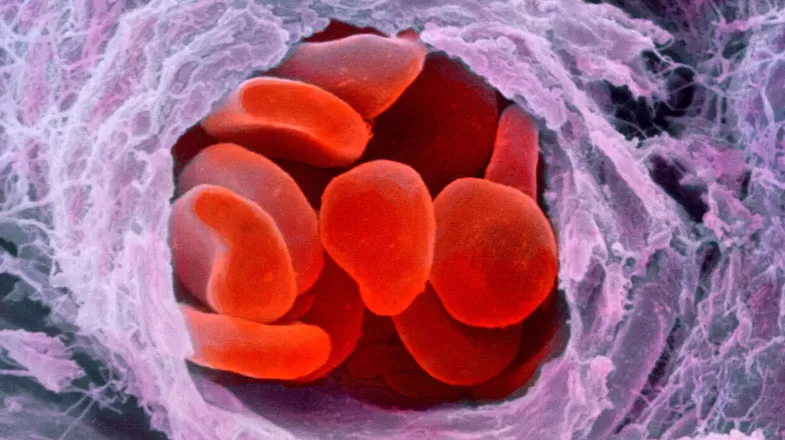
The Search for a ‘Liquid Biopsy’ and Other Advances to Diagnose Cancer
A liquid biopsy — a technology that attempts to diagnose a disease through a blood sample rather than by using a tissue sample collected through a traditional biopsy — is just one technology being explored to make cancer diagnosis faster and less invasive. Imagine going to your doctor for a simple blood test and knowing within 24 hours whether you have cancer. No need for biopsies, time-consuming scans, and waiting days, if not weeks, to learn results. For scientists like Dr. Hakan Sakul...
Media Resources & Contact Information
Anyone may view our press releases, press statements, and press kits. However, to ensure that customers, investors, and others receive the appropriate attention, Pfizer Media Contacts may only respond to calls and emails from professional journalists.