
Article
Featured Articles
Read our latest stories on the people and scientific innovations making a difference in patients’ lives.

Why You Should Speak Up About Menopause
Menopause may be a fact of life, but that doesn’t mean it’s easy. For some women, changes may include symptoms such as hot flashes, mood changes, problems sleeping, weight gain and more. It’s no wonder some menopausal women often don’t feel like themselves! While it can be hard for some women to talk about menopause, speaking up about this natural part of a woman’s life can be helpful—and even empowering. Read on to learn more.Changing the conversationSome women believe that menopause is simply...

How to Monitor Your Blood Pressure
High blood pressure—sometimes called a “silent killer”—often has no warning signs or symptoms, which means many people may not even know they have it. And this can be dangerous because having untreated high blood pressure may increase a person’s risk for stroke and heart disease—two of the leading causes of death in the US. That’s why regular blood pressure screenings are so important. Checking blood pressure If your blood pressure is normal, you should get it checked every 2 years starting...

Eczema: More Than Just a Skin Condition
When some people hear the word eczema, they may think of it as being nothing more than itchy skin. But the truth is, people living with eczema may suffer serious emotional and psychological effects.Eczema is a condition characterized by dry, red patches of skin that are intensely itchy. The most common type of eczema is called atopic dermatitis. Eczema usually begins in childhood but can begin in adolescence and adulthood. It is a common condition that affects 10% to 20% of children and 5% to 10...
mRNA and Artificial Intelligence for Advanced Vaccine Innovation
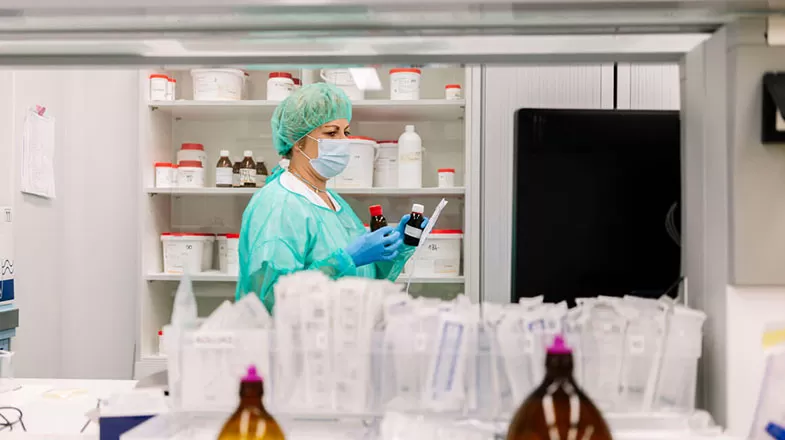
As Pfizer scientists raced to develop their COVID-19 vaccine at record-breaking speed these past few months, they turned to an innovative artificial intelligence (AI) tool to help achieve this mission.Normally, when a clinical trial or trial phase ends, it can take more than 30 days for the patient data to be “cleaned up,” so scientists can then analyze the results. This process involves data scientists manually inspecting the data sets to check for coding errors and other inconsistencies that...

Seizing upon a ‘Special Sauce’ of Drug Development to Fight Cancer in the Brain
In recent years, targeted therapies are among a revolution of new cancer treatments that have helped patients live longer than ever before. But with this success comes new challenges. Namely, many available cancer therapies can’t effectively treat cancer that has spread to the brain, as they have difficulty crossing over the blood-brain barrier— a tightly packed layer of cells that prevents toxins and other harmful substances from getting into the central nervous system, which includes the...

Dear Scientist, Atopic Dermatitis Keeps Me Itching Nonstop
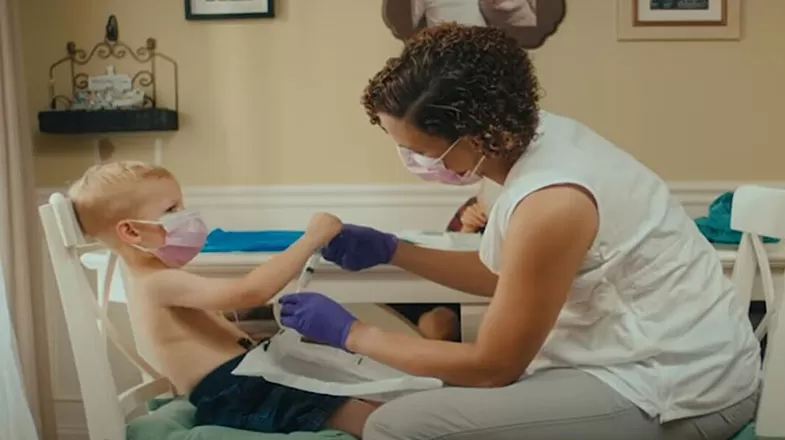
Twelve-year-old Jaemin Kung, from Arlington, has a condition that makes his skin break out severely, with no preventative treatments to fight it. Scientist Jean Beebe is searching for ways to make his life less burdensome, and way less itchy.
An Early Passion for Science and Public Health Inspires Adriana’s Work
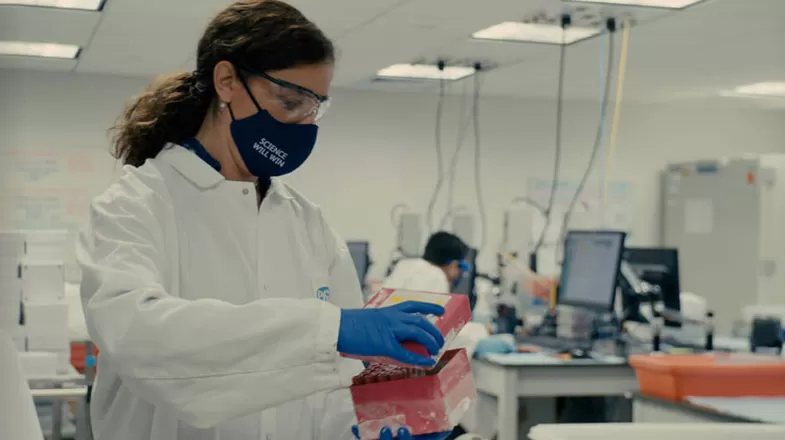
Meet Adriana. She leads a team that manages the samples collected from Pfizer’s ongoing clinical trials. For her, Pfizer is more than just the company she works for, it’s family. Adriana first got her start in high school as a summer student worker – and since then, has had the opportunity to work on a number of “major vaccines that really have had an impact on public health.” A DAY IN THE LIFE OF ADRIANA AND HER TEAM Today, Adriana and her team of about 30 colleagues receive 150...

Sandy Focuses on Diversity in Our Clinical Trials
Meet Sandy. She is responsible for managing diversity in Pfizer’s clinical trials, striving for statistically diverse participant pools. For those who are unfamiliar with what clinical trials are, Sandy explains that a clinical trial is a “research study where we are recruiting participants to evaluate the safety or efficacy of a medicine or vaccine before it’s readily available.” As part of these research studies, it’s incredibly important to include people who are affected by the...

Why — and How — Music Moves Us
“Life seems to go on without effort when I am filled with music.” – George EliotInstinctually, intuitively, we know that music makes life better.For millennia, humans have used music to soothe to our souls and comfort pain. Parents worldwide sing lullabies to the young and mark special occasions such as birthdays, graduations, and weddings with song. We rely on music to help us power through workouts and tackle tasks we’d rather ignore, and we manipulate our moods with melodies.Music is so...

“The Ice Man” - The Pfizer Colleague & Dad Who Keeps Our Medicines and Vaccines on Ice
Meet James. He is responsible for developing the packaging and distributions strategies needed to move our medicines and vaccines directly from manufacturing sites down to various points of use globally (i.e. hospitals, long term care facilities, pharmacies, etc.). Unbeknownst to most people, all medicines and vaccines require some type of temperature control. Some need to be kept at room temperature, others refrigerated, and some must be frozen. The packaging that James specifically works on...

Viral vs. Bacterial Pneumonia: Understanding the Difference
Having pneumonia can be frightening because this illness directly impacts one vital function — our breathing. For those who are at high risk of getting pneumonia and the complications that may accompany it, it is very important to make an accurate diagnosis.According to the World Health Organization’s most current statistical data, pneumonia is one of the leading causes of death in children — responsible for 18% of all deaths in children under age five. Many of these outcomes can be prevented...
Media Resources & Contact Information
Anyone may view our press releases, press statements, and press kits. However, to ensure that customers, investors, and others receive the appropriate attention, Pfizer Media Contacts may only respond to calls and emails from professional journalists.