
Article
Featured Articles
Read our latest stories on the people and scientific innovations making a difference in patients’ lives.

Viral vs. Bacterial Pneumonia: Understanding the Difference
Having pneumonia can be frightening because this illness directly impacts one vital function — our breathing. For those who are at high risk of getting pneumonia and the complications that may accompany it, it is very important to make an accurate diagnosis.According to the World Health Organization’s most current statistical data, pneumonia is one of the leading causes of death in children — responsible for 18% of all deaths in children under age five. Many of these outcomes can be prevented...
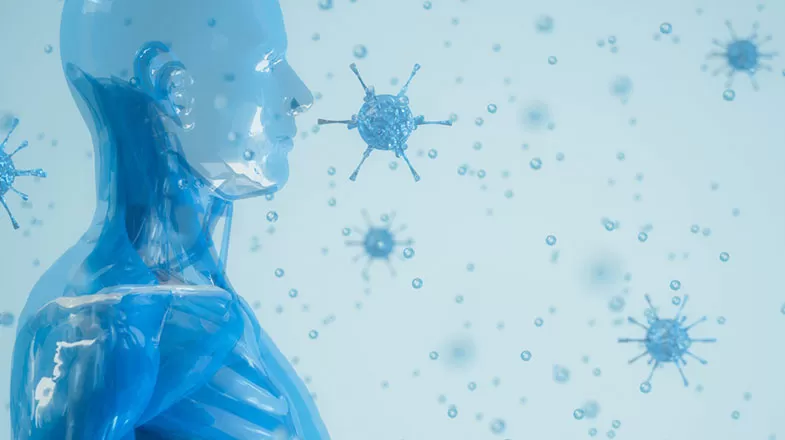
How do Viruses Make us Sick?
We’ve all heard a lot about viruses lately, but what exactly are they? Viruses are bundles of nucleic acid—DNA or RNA—that are enclosed by a protein shell known as a capsid.1 By some measures the most abundant life form on earth,1 viruses lurk everywhere; experts estimate that they are 10 times more numerous than bacteria.2 And while individual viral particles, called virions,3 are too small to be seen under a microscope,2 when grouped together they can do outsize damage to people and animals.Ho...

New Discoveries in Metastatic Breast Cancer Can’t Wait: How Independent Scientific Research is Moving Forward Patient Care
Until the 20th century, breast cancer was considered an unspeakable condition, and in general, cancer was seen as an incurable disease.1 Thanks to increases in funding, research, and patient advocacy, there is greater awareness of and care for people living with breast cancer.2 But, for people with the most advanced forms of breast cancer, there still remain significant gaps in funding, research, and care. The Current State of Metastatic Breast Cancer Research Every year, millions of people...
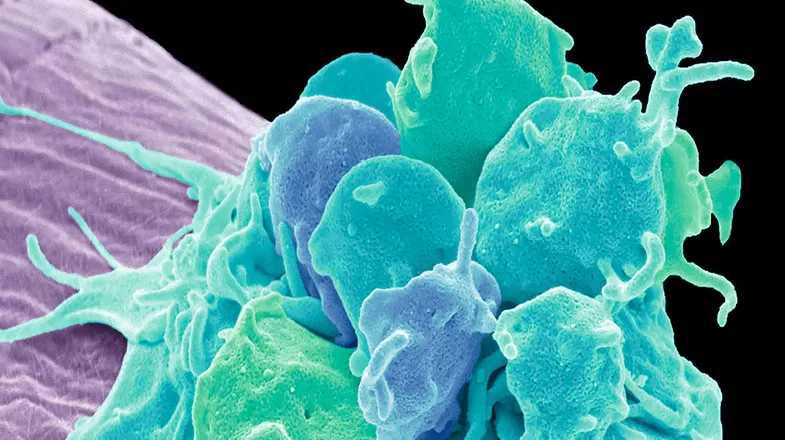
Working to Develop a More Safe and Convenient Treatment Option for Patients with Rare Platelet Disorder
While many people have heard of the blood disorder hemophilia, immune thrombocytopenia (ITP) is a lesser-known bleeding disorder that also severely impacts patients’ quality of life.When you have a cut or injury, thrombocytes, or platelets, are tiny, colorless cell fragments that form a “plug” in blood vessels to help begin the clotting process. ITP is an autoimmune condition that causes a person’s immune system to attack their platelets, leading to low platelet counts. Some people with ITP may...
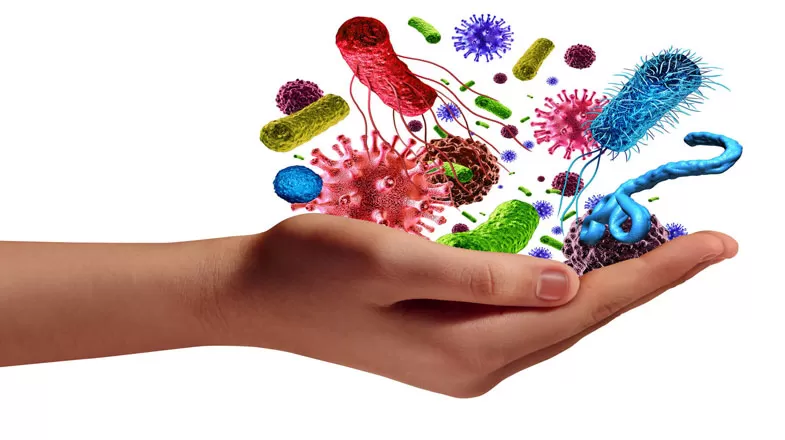
Can You Strengthen Your Immune System?
Is a strong immune system the solution to sickness? Can we keep ourselves well by strengthening our immune response? Sort of. And not really. Think of your immune system as a home security system for your body. Intact skin and mucus membranes keep out some bacteria and viruses, just as a fence around your house keeps most unwanted intruders off your property. When germs get inside the body, the immune system jumps into action and begins cranking out antibodies and delivering white blood cells...

Cancer Screenings: Understanding the Pros and Cons
Cancer screenings can be powerful tools that can help find the disease at an early stage, when it may be easier to treat. Most of the time screenings do not diagnose cancer. Instead, they help your healthcare provider see if you need more tests. For example, a mammogram may find a breast lump, but a lump doesn’t always mean you have breast cancer. You would need a biopsy or another diagnostic test to find out if the lump is cancerous.What kinds of cancer screenings are available?When it comes to...

No Time to Wait Educates About Potentially Serious Conditions
Right now, people may be weighing a decision to visit a healthcare provider. However, symptoms like swelling, pain, tenderness or redness in the leg, thigh or pelvis, can possibly be related to a potentially serious condition such as deep vein thrombosis (DVT).1 It’s critical to not brush off these symptoms.More About DVTDVT is a blood clot in a deep vein, usually in the leg, thigh, or pelvis and can also occur in the arm. A DVT clot, or part of it can travel through the bloodstream to the lungs...
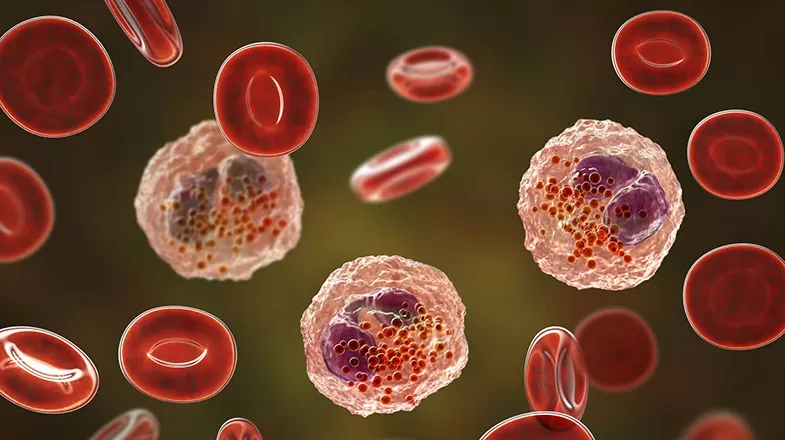
Eczema and Stress: What's the Link?
Eczema is a chronic inflammatory skin disease that can be challenging to live with. Affecting over 31 million Americans, it is a prevalent condition presenting in seven different forms; contact dermatitis, atopic dermatitis, seborrheic dermatitis, dyshidrotic eczema, nummular eczema, and stasis dermatitis. The main characteristics of the disease include:An impaired epidermal barrier function - leading to dry skinInflammatory infiltration - causing symptoms such as itching, dry skin, inflamed...

Why Your Family Health History Matters
Your family health history is important to your health. Besides similar looks and lifestyle habits, genes play an important role in your risk of developing certain health conditions, such as heart disease, stroke, diabetes, or cancer. Having a picture of your family’s medical history is a good thing when it comes to proactively managing your health. According to the United States Surgeon General, however, very few people are likely to have detailed and precise information about their family...

Why You Need Your Workout Now More Than Ever
If you engage in regular exercise, chances are the COVID-19 pandemic has altered some aspect of your workout routine. Maybe your gym is closed, your favorite spin or yoga classes no longer an option. Perhaps you no longer meet up with friends to power walk because it’s too hard to stay socially distanced. Maybe the demands of overseeing your children’s virtual learning while doing your own job have left you with no time for your usual lunchtime run. Or you’re simply in a funk about the state of...

Survey Demonstrates the Need for More Effective Policy Responses to Prevent Stroke in Europe
New research from The Economist Intelligence Unit (EIU), a division of The Economist Group, further reinforces the need for more investment into stroke prevention in Europe A new report from The Economist Intelligence Unit, a division of The Economist Group and a leader in global business intelligence, suggests that more effective policy responses are needed to prevent stroke in Europe. The findings suggest current stroke prevention investment is insufficient to further decrease rates of stroke...

Partnering for Sustainable Solutions: Combatting the Deadly Threat of Antimicrobial Resistance
Antimicrobial resistance (AMR) is a leading global public health challenge that affects everyone, everywhere.[i] Although antibiotics are among the most important medicines the world has ever known, many are becoming ineffective as bacteria continue to evolve and become resistant.[ii] The growing risk of AMR means that in the near future doctors may no longer be able to rely on antibiotics to treat many basic infections.[iii] The threat of AMR disproportionally affects marginalized populations...
Media Resources & Contact Information
Anyone may view our press releases, press statements, and press kits. However, to ensure that customers, investors, and others receive the appropriate attention, Pfizer Media Contacts may only respond to calls and emails from professional journalists.