
Article
Featured Articles
Read our latest stories on the people and scientific innovations making a difference in patients’ lives.

My Story: Lupus and Pregnancy, What If?
Having lupus and wanting to have a child I always knew I wanted to be a mother—and to be one at a relatively young age too. It was something I started thinking seriously about after I graduated from college. The issue for me was that I was diagnosed with lupus when I was 17. For many women with lupus, it is possible to have a successful pregnancy. However, all lupus pregnancies are considered high risk, for both mother and baby. That made the decision to get pregnant the biggest health-related...

Latest Guidelines on Blood Pressure for Optimal Health
High blood pressure is sometimes called a “silent killer.” It often has no symptoms, which means many people don’t even know they have it. That’s why a healthcare provider often checks your blood pressure at medical appointments. Having high blood pressure can be dangerous as it increases your risk for heart attack, stroke, and other serious conditions.If you have high blood pressure (called hypertension), you may be familiar with the numbers 140/90. The top number—140—is called systolic and the...
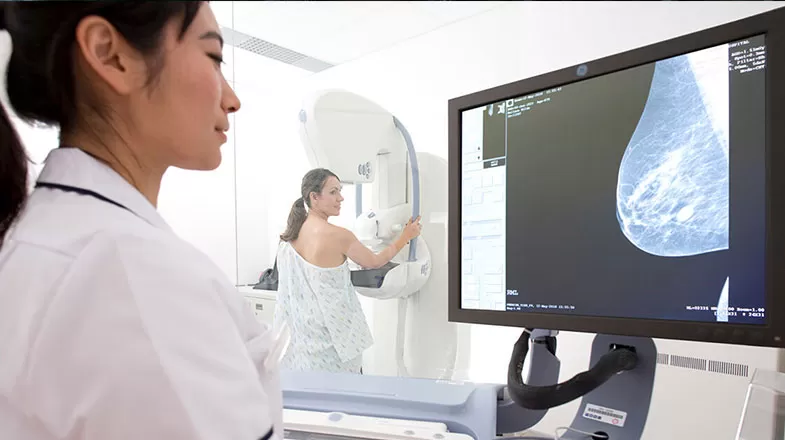
Mammogram Myths and Facts
In the fight against breast cancer, screening mammograms can help healthcare providers check for breast cancer in women who don’t have any signs or symptoms of the disease. For example, among women 40 to 74 years of age, mammograms—X-ray pictures of the breast—have been shown to help reduce the number of breast cancer deaths. At age 50, regular screening mammograms are recommended for all women. However, mammograms are recommended as early as age 40 for women who have a family history of breast...

Esther’s Breast Cancer Journey: From How I Told My Kids to How I Give Back
Life is really good right now. I just had a birthday, and I’m happy to have had it, too! Getting here was challenging, but I was raised to persevere. Here’s my breast cancer story. My hope is that it will help other women who are going through a similar experience and inspire them to lend a helping hand to others.My breast cancer journeyTwelve years ago, I found a lump in my breast. My doctor checked it out and didn’t think it was anything to worry about. The plan was to keep an eye on it. Three...

Answers To Your Questions About Prescription Medicine
Have you ever wanted to ask a question about your medicine? But maybe you thought it was a silly question that was not worth bothering your healthcare provider about. Below are answers to some common questions you may have about your medicine. Always talk with your healthcare provider about taking, storing, and disposing of your specific medicines.Q: I’m experiencing a symptom that I think may be caused by my medicine. Can I take less of it?A: You should never change the amount of medicine you...
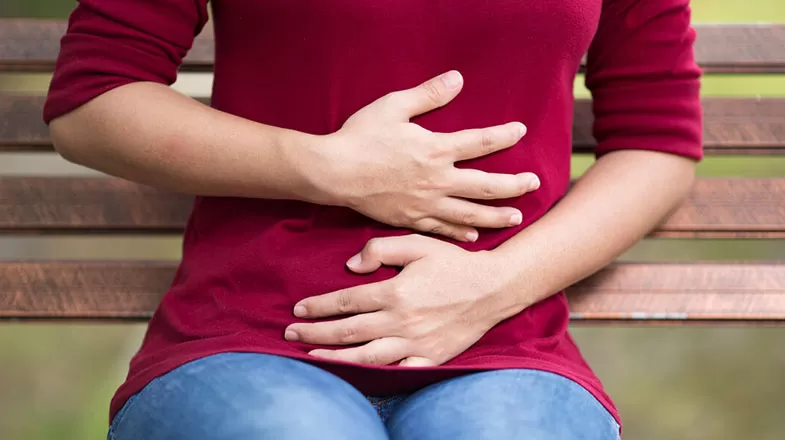
Living With Ulcerative Colitis
If you’re one of the almost 1 million people in the US living with ulcerative colitis, you’re probably well aware of the challenges of this debilitating and often unpredictable disease. Symptoms can be mild to severe and can get worse over time. Sometimes the disease may be active and symptoms are present. At other times, few or no symptoms are present (called remission). This can make it even more difficult for you to live your life. Read on to learn about ulcerative colitis and ways to manage...

5 Ways That May Help You Manage Pain
If you suffer from certain types of acute or chronic pain, there are alternative and complementary health approaches that may help you manage it. Acupuncture, deep breathing exercises, and yoga are just a few of the techniques that you may try to help manage your pain. Read more to learn about these and other pain management techniques. If you are experiencing pain, talk with your healthcare provider before trying any of these, or other, pain management techniques. Acupuncture Used to treat...
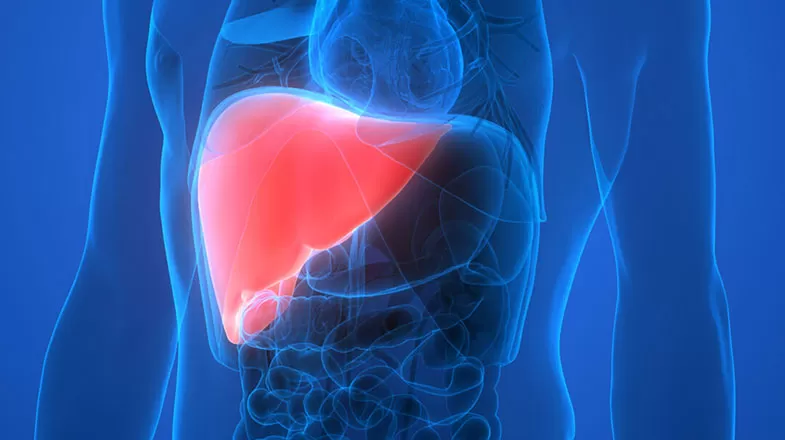
Exploring NASH - Nonalcoholic Fatty Liver Disease
What is NASH?Did you know that you can get liver disease even if you don’t drink alcohol? Nonalcoholic fatty liver disease (or NAFLD) is a condition in which fat builds up in the liver. NASH (or nonalcoholic steatohepatitis) is a type of NAFLD that can damage the liver. NASH occurs when the fat buildup in the liver leads to inflammation (hepatitis) and scarring. NASH can be life-threatening, as it can cause liver scarring (called cirrhosis) or liver cancer. It is estimated that 3% to 5% of the...

What Is Bacterial Meningitis?
Even though they’re rare, outbreaks of bacterial meningitis often make the news, which can lead to people having questions about the disease, including what it is, how it is treated and spread, and how it can be prevented. Here are some basic facts about bacterial meningitis. What is bacterial meningitis? Bacterial meningitis is an uncommon but very serious infection of the membranes that surround the brain or spinal cord. These membranes are called the meninges. Bacterial meningitis can be...
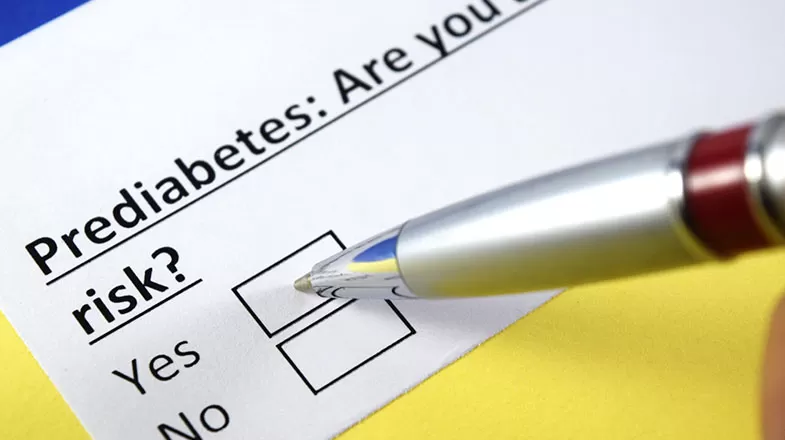
Can You Have Prediabetes and Not Know It?
While you have probably heard of diabetes, you may not be as familiar with the medical condition known as prediabetes. A person is said to have prediabetes when their blood sugar levels are higher than normal, but not high enough to be diagnosed with type 2 diabetes. Even though it’s estimated that more than 1 out of every 3 adults (that’s 84 million people) in the US has prediabetes, 90% of them don’t know it. Studies have shown that most people with prediabetes develop type 2 diabetes within...

Vaccines During Pregnancy
Women who get the vaccines recommended by the Centers for Disease Control and Prevention (CDC) during pregnancy can help protect themselves from some diseases—and they can give their babies some early protection as well. This happens because pregnant women who are vaccinated can pass along some of the antibodies (proteins that fight disease) they get from the vaccines to their babies. These antibodies can give the baby some protection against certain diseases during the first months of life—when...

What You Need To Know About Menopause
Menopause is a natural part of the aging process for most women. It is defined as the time in a woman’s life when her period has stopped for 12 consecutive months. This means that she has reached the end of her reproductive years.In the US, the age at which menopause begins can range from 40 years to 58 years, with an average start at 51 years. Read on to learn about menopause and ways you can help manage your symptoms.About premature menopauseSome women enter menopause early, before age 40...
Media Resources & Contact Information
Anyone may view our press releases, press statements, and press kits. However, to ensure that customers, investors, and others receive the appropriate attention, Pfizer Media Contacts may only respond to calls and emails from professional journalists.