
Article
Featured Articles
Read our latest stories on the people and scientific innovations making a difference in patients’ lives.

Helping Kids Stay Safe from Meningococcal Meningitis
It’s mid-October already, and the new school year is well under way. As teens and young adult students resume gathering in classrooms and sharing space with roommates in close living quarters, parents and their kids should be aware of the increased risk of transferable illnesses, especially meningococcal meningitis, a rare but serious disease, and its potentially fatal outcomes.Since 2021, there’s been a rise in meningococcal meningitis cases in the U.S.i In 2024, a confirmed 503 cases were...
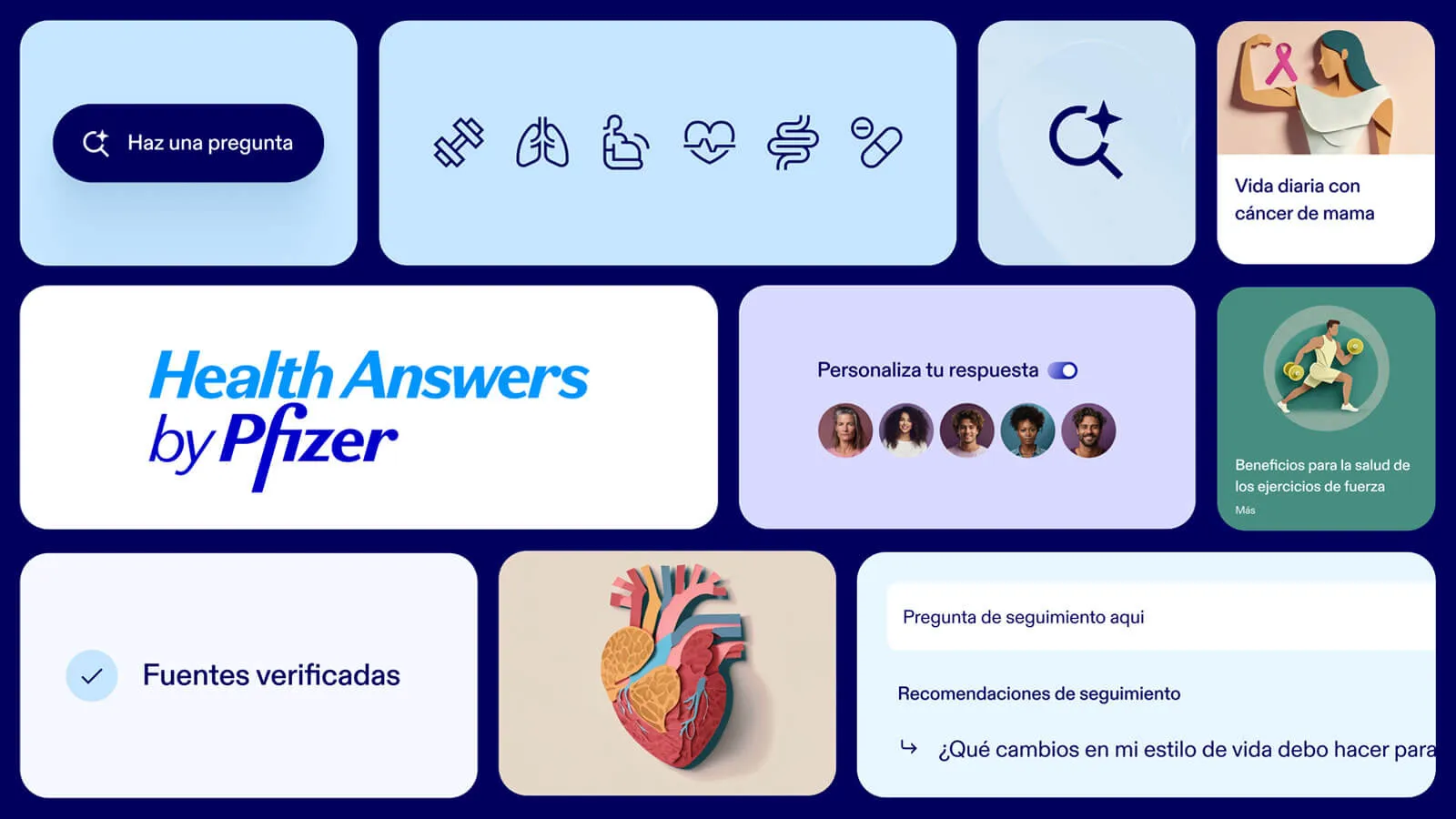
Health Answers by Pfizer Launches Spanish-Language Expansion
Back in February, we launched Health Answers by Pfizer, a consumer digital experience powered by generative AI that provides clear, relevant answers to health & wellness questions, and helps consumers take action for themselves and their loved ones.Today, we’re proud to announce a major step forward: Health Answers by Pfizer is now available in Spanish. With this new release, Spanish-speaking consumers across the U.S. can access trusted, personalized health information in the language they know...

September Social Media Round-Up—Fast Company, Prostate Cancer Awareness Month, and More
Pfizer kicked off fall with some major milestones. Catch up on the latest happenings across our social media to learn more.On our corporate channels we shared important patient stories and tips for Prostate Cancer and Blood Cancer Awareness Month, released a new episode of “Living Fully with Ulcerative Colitis,” and even launched a new series, “Partnerships with Purpose.”CEO Albert Bourla announced Pfizer’s agreement to acquire Metsera, welcomed a new Chief Scientific Officer of Internal...

The Power of Knowing, Episode 3: Arianna Huffington
Over the summer, Pfizer launched “The Power of Knowing” video series that explores artificial intelligence and the ways it’s impacting the business world. The series features interviews with the men and women leading the charge, and shares their insights into the myriad ways AI is transforming the world.In the debut episode of The Power of Knowing, host Lidia Fonseca, Pfizer’s Chief Digital and Technology Officer, sat down with Stan McChrystal, Retired US Army General and Co-Founder of the...

Five Steps to Embrace Healthy Aging
What does healthy aging look like to you? Would you be surprised if it looked like lifting weights at the gym, or starting a book club with friends, or, perhaps, learning a new language?Older adults are defying stereotypes and redefining the aging process, discovering how much healthy habits can empower active lifestyles. For Healthy Aging Month, we’d like to share five evidence-backed habits that can keep older adults healthy — physically, cognitively, and emotionally.1. Get SocialSocial...
August Social Media Round-Up—Q2 Earning Results, Top 100 Internship Program, and More
As summer comes to an end, take a moment to catch up on the latest updates and highlights on Pfizer’s social channels.On Pfizer's corporate social media, we shared tips for caregivers, released new episodes of “What’s In My Lab” and “Science Made Simple,” and highlighted symptoms of bladder cancer and Lyme disease to look out for.Our leadership team celebrated Pfizer’s inclusion as a Top 100 Internship Program of 2025, shared positive oncology clinical trial results, and announced the FDA’s...

How One Woman with Multiple Myeloma Found Strength—and Gratitude—in Adversity
September’s Blood Cancer Awareness Month is a time to raise awareness of hematologic cancers and share the stories of those living with the diseaseIn 2017, Lynce Lucas hadn’t been feeling well for several months and was dealing with some fractured ribs. But when she woke up one morning struggling with the ability to walk, she knew something more was wrong.Lynce was diagnosed with multiple myeloma, which at the time she didn’t know much about. “They told me that multiple myeloma was cancer, it...
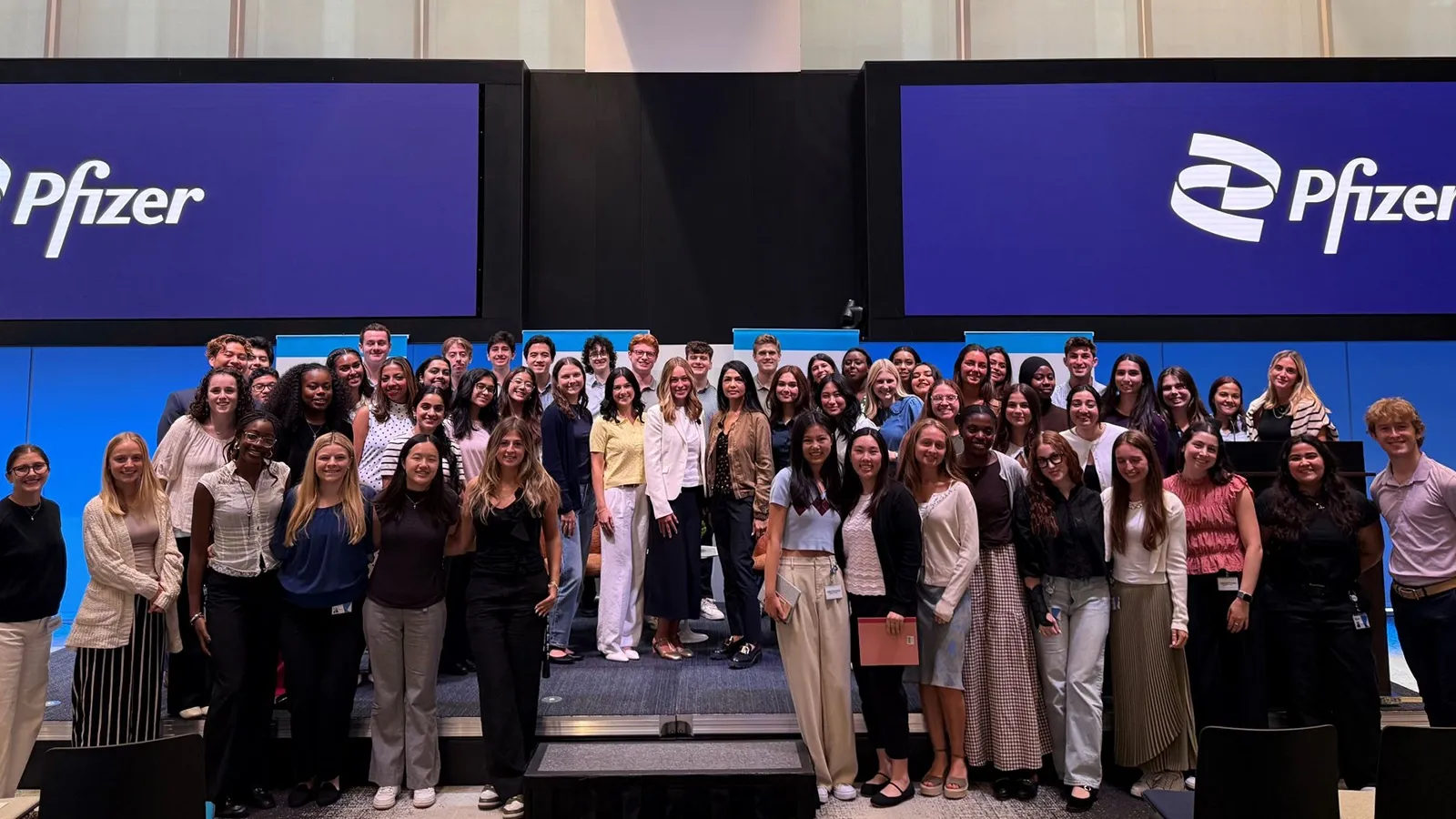
Pfizer Futures Internship Program Recognized as Top 100 in U.S.
As August comes to an end, we all find ourselves saying goodbye to the trappings of summer: long days (here in New York, we won’t see another sunset after 8pm until next May), beach trips, BBQs, shorts and flip-flops. Here at Pfizer and at other companies across the country, we also have to say goodbye to our interns.For the past three months, our hallways, conference rooms, and cafeterias have been abuzz with youthful energy as we welcome the future of the industry into our buildings. As Labor...

Self Care Can Be Fun (Really!). We Have Tips
We’ve all heard the standard wellness advice many times: among them, that most of us need more regular exercise, fewer processed foods, and lower stress. At Pfizer, we’d like to add another piece of advice: Fun will make your wellness goals easier to achieve.The key to creating a habit that sticks is to turn the activities you need to do into the activities you want to do. Adapt your wellness goals into habits that fit your personality, and then remind yourself of the long-term pay-offs those...

The Walk Ends. The Journey Doesn’t.
Last month, Tyrone McClain, Senior Director, Public Affairs, US Inflammation and Immunology & Hospital, had the privilege of representing Pfizer and delivering remarks at the National Alopecia Areata Foundation Walk for Alopecia Areata kickoff as part of our role as National Presenting Sponsor. Below, he reflects on the event.Each year, I’m deeply honored to see Pfizer continue its commitment as the National Presenting Sponsor of the National Alopecia Areata Foundation (NAAF) Walk for Alopecia...

Surprise! COVID-19 Can Strike in the Summer. Here’s What to Do
Summer has the best PR. Winter is known for gray skies, cold temperatures, and seasonal depression, while summer boasts sunshine, swimming pools, and vacations. But don’t let these good vibes fool you; summer isn’t all sunshine, roses and sunscreen application; it’s still possible to get sick in these warmer months. Even from COVID-19.Many generally associate COVID-19 with cooler weather, but it actually spreads year-round.1 In fact, COVID-19 rates have risen in July and August every summer...
July Social Media Round-Up—Fireside Chat, Newsweek AI Impact Awards, and More
While you’re relaxing on your summer vacation, catch up on Pfizer's social media to see everything we've been up to this July.Across our corporate channels, we shared positive data from Pfizer's oncology research, launched new episodes of “What’s In My Lab” and “The Power of Knowing,” and walk through the science behind drug formulations and cancer biomarkers.Meanwhile, CEO Albert Bourla hosted a fireside chat with summer workers and shared exciting oncology research updates. The rest of our...
Media Resources & Contact Information
Anyone may view our press releases, press statements, and press kits. However, to ensure that customers, investors, and others receive the appropriate attention, Pfizer Media Contacts may only respond to calls and emails from professional journalists.