
Article
Featured Articles
Read our latest stories on the people and scientific innovations making a difference in patients’ lives.

Bridging Global Gaps in Hemophilia Care
Pfizer is proud of its commitment to advancing hemophilia care for more than 40 years, dating back to the introduction of recombinant therapies. But while there has been transformative progress as well as advances in the hemophilia treatment landscape during this time, there is still work to be done to ensure more patients receive the best care.Collaboration is an essential component of our efforts to increase access to treatment and bring breakthroughs to people with hemophilia and bleeding...

The Next Era of Decentralized Clinical Trials: The Clinical Trial Anywhere Model
During the early months of 2020, decentralized modalities to conduct clinical trials went mainstream as a solution to a short-term problem: how to continue clinical trials amid pandemic closures. At Pfizer, however, remote trials and the use of digital tools to conduct clinical trials were implemented long before the pandemic. Increased adoption of modalities like telehealth visits became catalysts for how — and where — clinical research could be done.What's more, surveys show that participants...

Pfizer Awarded Diamond Resiliency Badge for Supply Chain Excellence
For nearly two centuries, Pfizer has been dedicated to developing medicines that change people’s lives and ensuring that people all over the globe have access to those medicines. This commitment extends beyond the discovery and production of new, more effective treatments to efficiently distributing those treatments to the people, communities, and countries that need them. We couldn’t do that without an efficient and resilient supply chain.The strength of pharmaceutical supply chains has never...

March Social Media Round-Up—Annual Review, Fast Company, and More
Spring is here, and our social channels are warming up alongside the weather. March was a busy month here at Pfizer, and our monthly social round-up is here to share all the action.CEO Albert Bourla showcased some of our recent highlights and accomplishments with Pfizer’s 2024 Annual Review, recognized Pfizer for being named as one of Fast Company’s Most Innovative Companies, and shared our commitment to advancing innovations in the fight against colorectal cancer. Our leadership team also...

Pfizer Takes Over SXSW’s Podcasting Lounge for the Second Year in a Row
Each spring, industry leaders, media members, celebrities – and basically everyone who is anyone in tech, film and TV, and music – has been heading to Austin for one of the year’s most anticipated events: the South By Southwest (SXSW) Festival.Pfizer has been attending in various capacities for many years, but in 2024 we held court at the SXSW Podcast Lounge, taking it over for the day and recording three live sessions of our award-winning Science Will Win podcast in front of packed crowds...

Living with Colon Cancer: A Pfizer Colleague’s Story
Almost all of us have been impacted by cancer in some way, even those of us who work at a company dedicated to the fight against it. We at Pfizer are not immune, and we are dedicated to helping share the stories of those who have faced the terrible disease. Especially when they are a part of our family.Lily Hickey works as a People Experience Lead for Commercial Oncology at Pfizer, and less than a year after giving birth, she felt a pain in her side that that she initially wrote off as...

Three Steps to Boost Your Health Through Nutrition
Pfizer is dedicated to improving healthcare for people all over the globe. Sometimes that means developing a new medication or making a scientific breakthrough, and sometimes it’s as simple as educating and empowering people to make better decisions.March is National Nutrition Month, and we want to inspire you to take some positive steps that can have a major impact on your health. We have the ability to make our bodies healthier and stronger through the foods we select at the grocery store and...

Pfizer School of Science Marks Two Years of Impacting Communities
At Pfizer Headquarters in New York City, 60 eighth graders donned lab coats, gloves, and safety glasses. They set to work assembling Petrie dishes and microscopic swabs. They knew their discoveries might be small today, but there was a chance that one day, they could be scientists, or Pfizer colleagues.At Pfizer School of Science, future scientists are encouraged every day. Now celebrating its second anniversary, Pfizer School of Science hosts middle school students from the New York City public...

Colorectal Cancer Screening Guidelines Have Changed—What You Need to Know
We understand. We know it can feel overwhelming to remember when to get screened for which condition. This is especially true for screenings for colorectal cancer, also known as CRC, which were updated just a few years ago. That’s why this March — which is National Colorectal Cancer Awareness Month — we’re sharing some essential details to help you learn when a CRC screening is right for you.CRC, which includes cancers of the colon and rectum, is about 90% preventable. Knowing when you should...

Pfizer Looks Back at 2024 in the Annual Review
Last year, Pfizer celebrated our 175th anniversary. As proud as we are of our nearly two centuries of work, we know that reaching such a milestone is only possible because we don’t take a single year—or single day—for granted.That means both celebrating our accomplishments and relentlessly improving. Today, we’re sharing our Annual Review, which outlines how we did just that in 2024.The good news is that 2024 was a successful year for Pfizer; the great news is that 2025 is yet another...
February Social Media Round-Up—Big Game, Science Will Win, and More
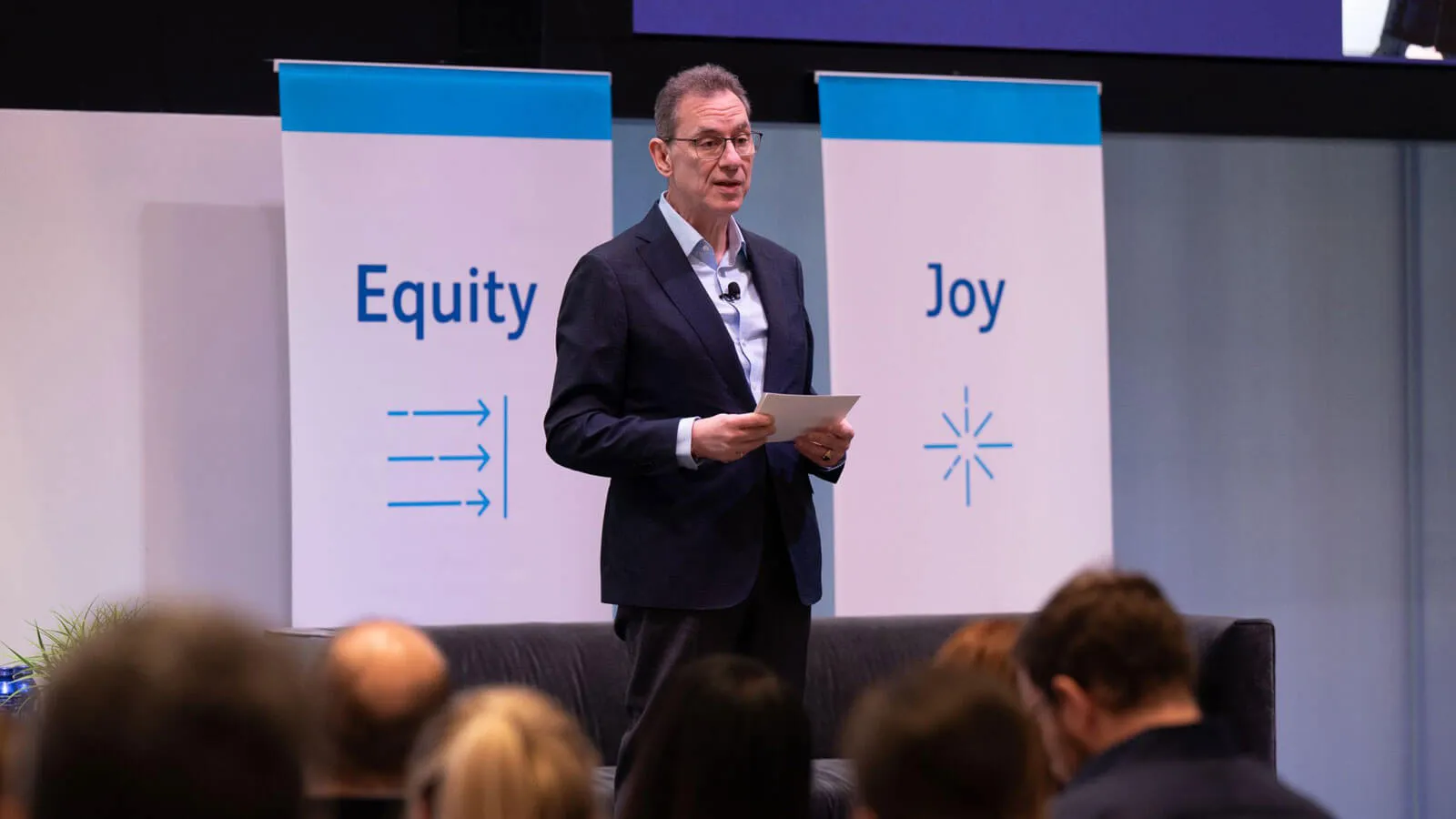
February may be a short month, but there was no shortage of activity on Pfizer’s social channels over those 28 days.CEO Albert Bourla showcased our Big Game ad where we share our promise to deliver eight cancer breakthroughs by 2030, met with Pfizer Oncology scientists committed to finding cancer innovations, and shared highlights from Pfizer’s Q4 2024 financial results. Meanwhile, our leadership team welcomed Pfizer’s new Chief Oncology Officer, Jeff Legos, and announced the latest season of...

Four Ways to Take Control of Your Heart Health
February is American Heart Month, and before it ends, we want to take some time to learn how we can keep our hearts healthy and strong.This knowledge is crucial to share. Heart disease remains the leading cause of death for Americans, both men and women.1 Yet myths and misunderstandings about heart disease persist, such as who’s at risk and what a heart attack may look or feel like. For example, here are a few surprising facts about heart health:Someone can have a heart attack and not even know...
Media Resources & Contact Information
Anyone may view our press releases, press statements, and press kits. However, to ensure that customers, investors, and others receive the appropriate attention, Pfizer Media Contacts may only respond to calls and emails from professional journalists.