
Research Articles
Featured Articles
Read our latest stories on the people and scientific innovations making a difference in patients’ lives.

August Social Media Round-Up—Q2 Results, AI Adoption, and More
Summer is coming to an end, but here at Pfizer, the work doesn’t stop when the seasons change. Before we say goodbye to the warmer weather, let’s take a look back at the month on Pfizer’s social media.In August, we highlighted the importance of our manufacturing systems, leveraged a new AI tool in our supply chain, and released a new episode of "What's In My Lab."Meanwhile, CEO Albert Bourla shared our second quarter results, shared how Pfizer is taking on AI adoption, and sat down with TIME...

Decoding Tumors: Inside the Spatial Revolution in Cancer Research
Cancer emerges from the very same cellular machinery that keeps us alive. It puzzles both pathologists and the immune system because tumors, unlike infections, share the basic structures and behavioral blueprints of healthy, normal tissue, a resemblance that can let them slip past immune surveillance undetected. For more than a century, cancer was described by pathologists as a “caricature” of healthy tissue, bizarre distortions of otherwise normal cells.1 But tumors act almost like organisms...
Then vs. Now: Flow Chemistry
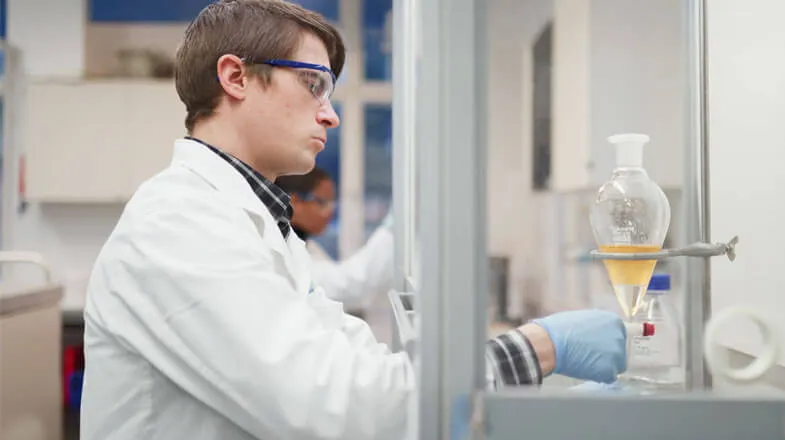
The way medicines are made has changed significantly over time. Many of today’s drug molecules are larger and more complex than those developed decades ago and the methods for synthesis have evolved accordingly. As chemists design increasingly sophisticated molecules, they also need more precise and flexible ways to carry out the reactions that produce them.For much of history, chemists have carried out reactions in static vessels such as flasks in the lab or large reactors in manufacturing...

Then vs. Now: Molecular Design
Developing a new medicine starts at the most fundamental level: understanding how disease works. That often means looking beyond what we can observe directly and studying how molecules interact with biological targets.Much of what drives disease and how we treat it happens at a scale too small to see. In drug discovery, scientists study how molecules find, bind to, and influence their targets. The strength and specificity of these interactions play a critical role in determining how effective a...
Decoding the Complex Science of Obesity
GLP-1. GIP. Amylin. Incretins. Peptides. NuSH.It’s not hard to see why the language surrounding modern obesity research sometimes feels like an alphabet soup of scientific terms. But behind each is a growing understanding of how the body regulates hunger, metabolism, energy use, and weight. It’s shaping what we know about how those systems might contribute to obesity.Recent research suggests that more than 1 billion people worldwide are now living with obesity, and that number is estimated to...
May Social Media Round-Up—ASCO, Q1 2026 Results, and More
Summer’s approaching fast, but here at Pfizer the work doesn’t stop. So before you get outside to enjoy the warmer weather, catch up with the latest activity on our social channels.May has been chock full of highlights—from sharing the latest data across our cancer work at ASCO 2026 to a feature in TIME highlighting how we bring science from the lab to life, we’re offering looks behind the science of Pfizer’s research. Next, review Pfizer’s first quarter results, courtesy of CEO Albert Bourla...

For this Pfizer Scientist, Cancer Research is Personal
For Shuo Wang, cancer research isn’t just a job - it’s personal.Wang, a scientist in Pfizer’s oncology research unit, remembers when one of her close friends was diagnosed with stage four lung cancer shortly after giving birth to her second child. The experience happened early in her career, and deepened Wang’s determination to make a meaningful impact.Wang and her team spend their days planning experiments, analyzing data, and working together to help advance cancer treatments. Along with...
Research Rising: Recognizing Clinical Trials Day 2026
Before a breakthrough reaches a patient, it moves through years of research, which is shaped by questions, tested through data, and strengthened by collaboration.At Pfizer, that work is always in motion. Across diseases, geographies, and phases of clinical trial development, our teams are advancing research with urgency. Clinical trials are a critical part of that effort. They connect science with real-world impact, helping us understand how potential medicines and vaccines perform and how they...

Pfizer’s New San Diego R&D Hub Accelerates the Next Wave of Cancer Innovation
A state-of-the-art campus designed to turn scientific ambition into breakthroughs for people with cancerFor more than two decades, Pfizer has pushed the boundaries of cancer care, developing medicines that have helped transform treatment for some of the world’s most challenging cancers. That progress continues to fuel an ambition to keep expanding what’s possible – an ambition brought to life in San Diego, where a new state-of-the-art campus has been purpose-built to help advance science and...

April Social Media Round-Up—Trailblazer Cancer Research Grants, World Health Day, and More
April has come to a close and we are barreling towards the summer. Before you head outside to enjoy spring, take a moment to catch up with Pfizer’s social channels, which have been on fire.In April, Pfizer colleagues were honored in the list of 2026 Healthcare Businesswomen’s Association (HBA) Luminaries and Rising Stars, we recognized vaccines’ impact during World Immunization Week, and Pfizer scientists highlighted our research efforts.CEO Albert Bourla recognized Pfizer scientists who were...
Making Progress Against Cancer - From Cancer Research to Prevention and Screening
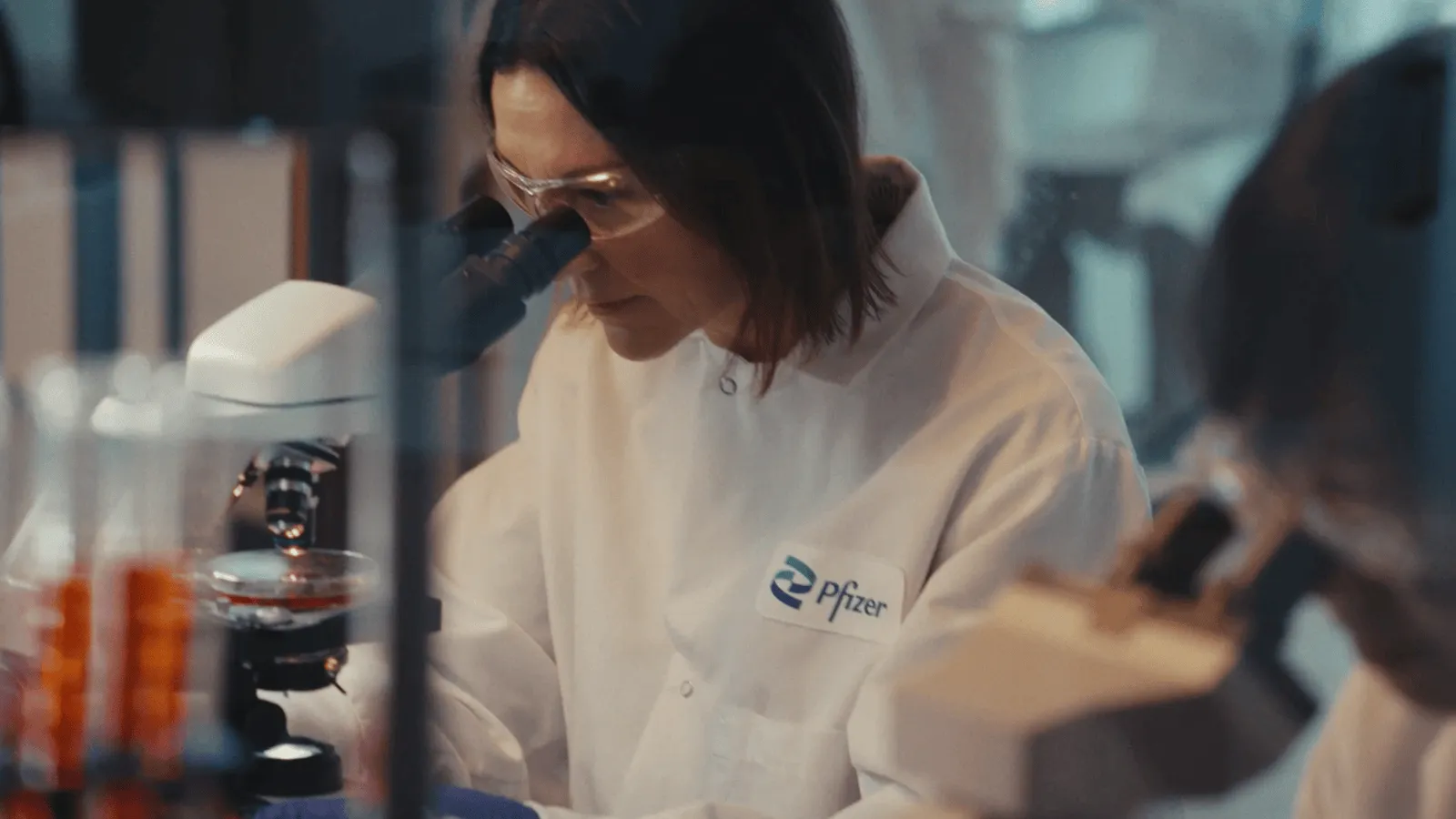
Advances in cancer care often begin with incremental steps in the lab that, over time, have the power to drive transformative breakthroughs. That’s why scientists are working around the clock to develop potential treatments that could help patients live longer, healthier lives. At Pfizer, Sharsti Sandall is one of those scientists.An executive director in Pfizer’s oncology research division, Sandall leads the antibody drug conjugate (ADC) group, which is a targeted treatment that delivers cancer...
How Biomarker Testing Helped a Lung Cancer Patient Get the Treatment She Needed
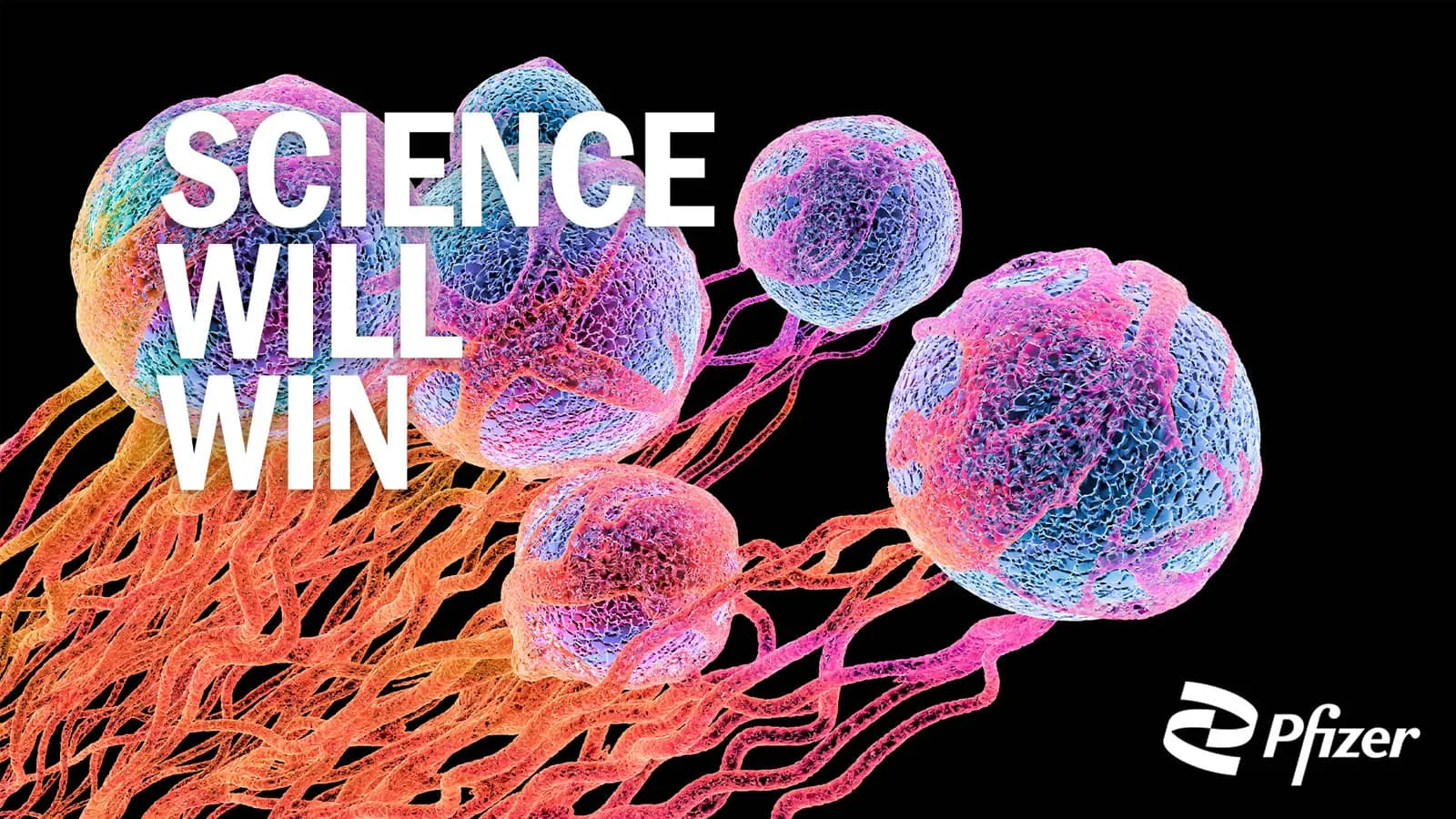
Earlier this month, Science Will Win, Pfizer’s award-winning podcast, wrapped up another successful season. Launched in February, season 6 included five episodes, each one focused on a different aspect of the fight against cancer, wrapping with last week’s season finale about AI’s impact on cancer care.All season long, each podcast episode has been accompanied by a full-length video conversation between host Dr. Raven Baxter – a molecular biologist and science educator – and one of her guests...
Media Resources & Contact Information
Anyone may view our press releases, press statements, and press kits. However, to ensure that customers, investors, and others receive the appropriate attention, Pfizer Media Contacts may only respond to calls and emails from professional journalists.