
Article
Featured Articles
Read our latest stories on the people and scientific innovations making a difference in patients’ lives.

Advocacy, Strength, and Hope in the Face of Metastatic Melanoma: Bruce and Chris's Story
In 2013, Bruce’s life changed. He was living in sunny Florida with Chris, his wife of over 20 years, when he received an unexpected diagnosis: metastatic melanoma—the most aggressive form of skin cancer.1,2It was a disease Bruce had heard of before—a disease that will impact over 100,000 people in the U.S. this year and 510,000 people across the world by 2040.2,3 But it didn’t cross his mind when he noticed a small lesion on the top of his foot. Chris encouraged Bruce to get it checked out. In...

April Social Media Round-Up—Black Maternal Health, World Immunization, and Long Covid
Pfizer jumped into spring with another busy month on social media. This April, CEO Albert Bourla recognized both Black Maternal Health Week and World Immunization Week and proudly supported Pfizer’s dedication to fighting cancer. Meanwhile other leaders discussed communication and health equity, and our corporate social accounts showcased our School of Science, workplace diversity, and a new podcast episode about long Covid:Executive LeadershipCEO Albert Bourla accepts the Outstanding...

Pfizer Goes Live in SXSW’s Podcast Lounge
For more than a quarter of a century, SXSW has been a must-do event on the calendars of consumers, celebrities, and cognoscenti. Part conference, part festival, it’s where people gather to learn about the latest trends in tech, media, and entertainment.Over the years, our leadership has showcased the latest scientific breakthroughs and shared our unique perspectives on the present – and future – of healthcare to the event’s thousands of attendees.This year, we hosted a takeover of SXSW’s Podcast...

March Social Media Round-Up—Annual Review, International Women’s Day, and a School of Science Celebration
March is an eventful month, with the launch of spring, the changing of the clocks, St. Patrick’s Day, and more. Here at Pfizer, we had plenty occasions to mark, and all month long our leadership did just that, sharing their thoughts on International Women’s Day and Employee Appreciation Day, celebrating the anniversary of our School of Science, and looking back at our recent accomplishments with the publication of our Annual Review.Hear from our leaders themselves with our monthly social media...
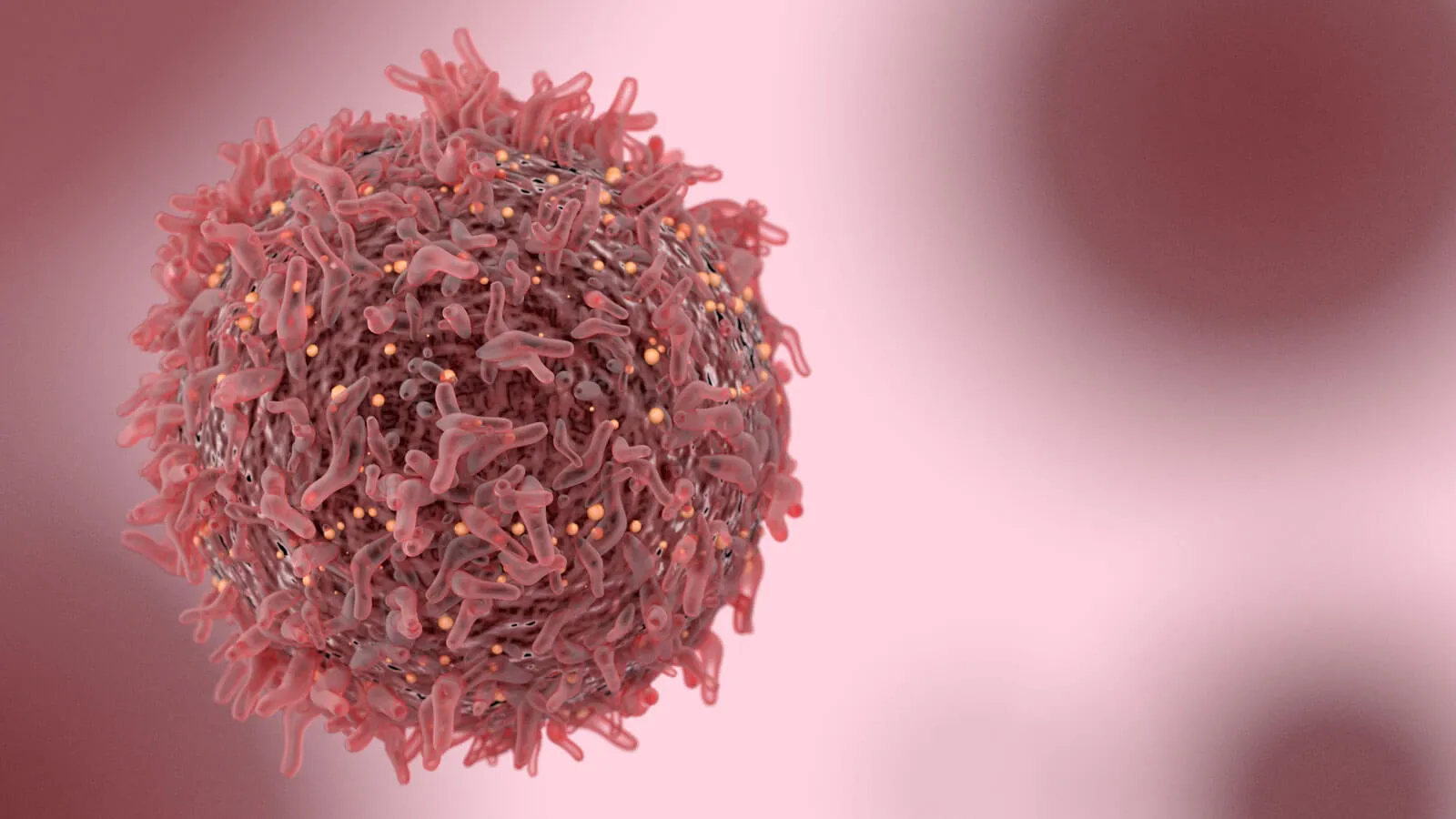
Working to “Outdo” Cancer: A Multi-Modality Approach to Accelerating the Next Generation of Cancer Breakthroughs
If you caught Pfizer’s exciting commercial that ran during the NFL’s big game in February, you know that we are making a renewed commitment to outdo cancer – nothing is more urgent, or more personal, than our goal to outpace, outsmart, and outmaneuver cancer at every turn. We’re marshaling resources, making new partnerships, and investing in the fight against the many forms of the disease to help people with cancer live longer and better lives. But it won’t be easy.Cancer cells are extremely...

2023 In Review
At Pfizer, we are working tirelessly to outdo yesterday by bringing new breakthroughs to patients around the globe in innovative ways. As we do this, it’s important that we take the time to reflect on both our challenges and our achievements. Every March, we share those reflections with the public via our Annual Review and Impact Report. In this year’s reports, we look at the numbers behind the breakthroughs and explore the tangible ways that we pushed science forward in service of patients...

Pfizer Kicks Off 175th Anniversary by Looking Back at Legacy and Ahead to the Future
Way back in 1849, Charles Pfizer and Charles Erhart started the company we know today as Pfizer, and ever since, we’ve been at the forefront of some of the most profound changes in medicine and technology. For 175 years, we have had an extraordinary impact on global health.But in many ways, we’re just getting started. Throughout 2024, we will celebrate and appreciate everything that we have accomplished while we move forward with confidence that the best is yet to come. Together, we will outdo...

“Change the Odds” Brings Pfizer Together with the American Cancer Society to Bridge the Gap in Cancer Care Disparities
Pfizer has long been committed to the research and development of innovative cancer treatments for patients around the world. This commitment was further strengthened by the addition of Seagen, a world leader in a powerful cancer-fighting tool called antibody-drug conjugates, enabling us to be at the forefront of cancer care. Additionally, addressing inequities in the healthcare of patients is one of Pfizer’s top priorities, and we’re proud to announce a new initiative that incorporates both of...
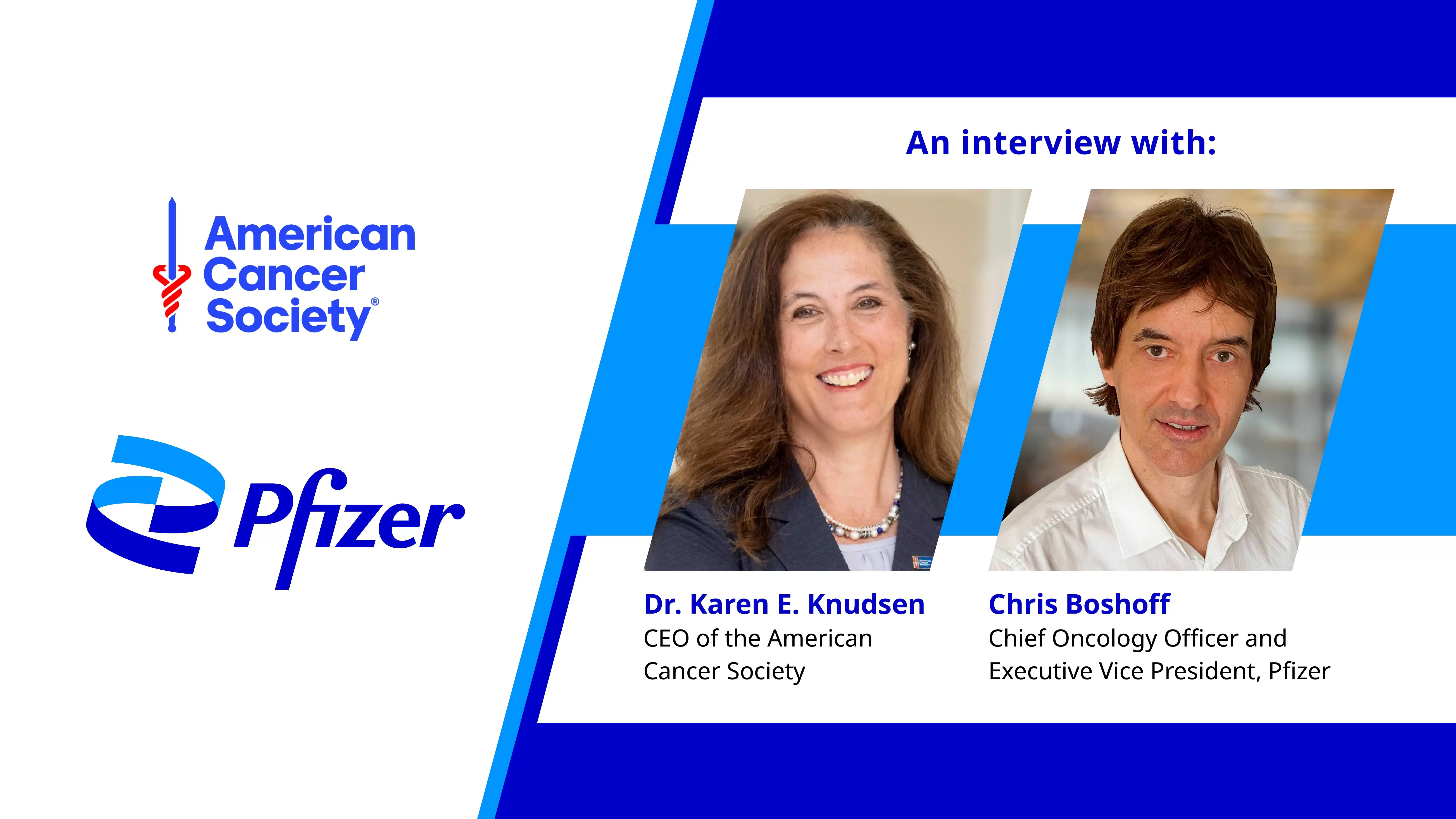
Together We Can Change the Odds for People with Cancer
One in three people in the United States will receive a cancer diagnosis in their lifetime.i This means you, or someone you know, may someday be impacted. This disease does not discriminate. Unfortunately, many people face unnecessary barriers to timely and equitable screening, treatment and support. To help close these gaps, the American Cancer Society (ACS) and Pfizer recently launched a new three-year initiative, “Change the Odds: Uniting to Improve Cancer Outcomes,” aimed at addressing...

Pfizer Presents New Cancer Research at ASCO GU Cancers Symposium
This week, from January 25-27th, Pfizer will join the genitourinary oncology community at the 20th annual meeting of the American Society of Clinical Oncology Genitourinary (ASCO GU) Cancers Symposium. As the premier professional society of clinicians and scientists dedicated to confronting prostate and urinary diseases, ASCO GU has been featuring the latest high-impact science, multidisciplinary expertise, and evidence-based practices in GU cancer care for the past two decades.A long-time...

Cancer Survivors' 'Butterfly Club' Network Fosters Support and Partnership
For many cancer survivors, life splits into two stages: before cancer and after cancer. That’s been the case for Lynette Bojko, Pfizer’s Head of Strategic Sourcing & Business Management. She was diagnosed with breast cancer just before her 40th birthday. “Unfortunately or fortunately, cancer is a lot of my identity,” she says. When treatment began, she didn’t want to hide what she was going through at the office, so she talked about it. That openness allowed her to connect with colleagues who...

The Butterfly Club: Stories of Volunteers that Colleagues with Cancer Can Lean On
When Nikki Shaffer was diagnosed with breast cancer at 35, she had so many questions. How should she tell her three young children about it? Should she keep working? Would she see her kids grow up?That was in 2009. As Shaffer went through treatment, a non-profit connected her with other cancer survivors, but she didn’t click with anyone. “They connected me to people who were in their 50s when they were diagnosed, and their questions and their concerns were not the same as mine,” says Shaffer...
Media Resources & Contact Information
Anyone may view our press releases, press statements, and press kits. However, to ensure that customers, investors, and others receive the appropriate attention, Pfizer Media Contacts may only respond to calls and emails from professional journalists.